







What's Happening?
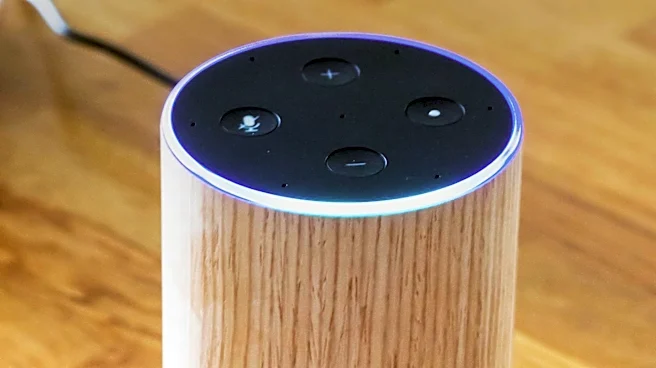
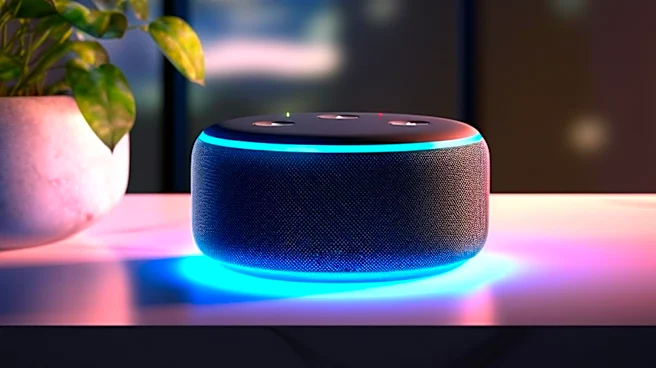
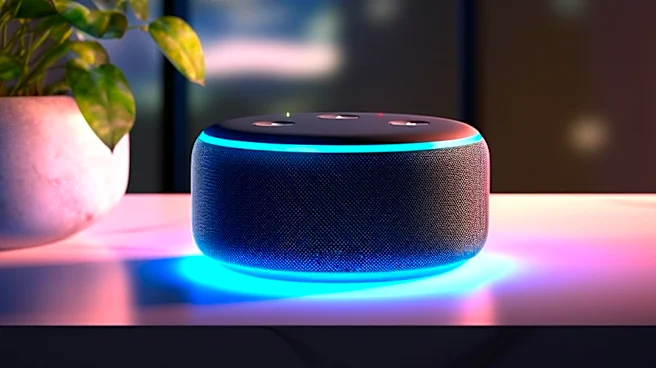
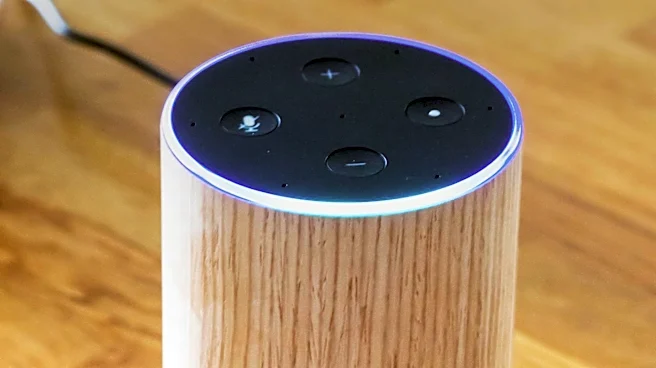
An Amazon Echo Dot (2018 Echo Dot 3) has been successfully rooted, allowing it to be repurposed as a Home Assistant voice satellite, effectively unshackling it from Amazon's Alexa-fueled ecosystem. This process, detailed by [Andy] and supported by a project
from [Julian Imhof], involves gaining USB access to the device's internal board, which for USB-less models like the Echo Dot requires soldering a USB connector onto test pads. The devices, running Fire OS (an Android-based system), then undergo a standard procedure of unlocking the bootloader and installing a custom application called 'hassmic' to replace Alexa. During testing, initial voice processing speeds were slow, necessitating a switch from 'Whisper' to 'Speech-to-Phrase' for improved responsiveness. This method offers a way to utilize these smart speakers for local voice processing within a Home Assistant setup.
Why It's Important?
This development is significant for consumers seeking greater control over their smart home devices and privacy. By rooting an Amazon Echo Dot, users can bypass Amazon's cloud services and integrate the device into a local Home Assistant system. This shift reduces reliance on a single corporate ecosystem, potentially enhancing data privacy by keeping voice commands and smart home interactions within a user's local network rather than transmitting them to Amazon's AWS cloud. For the smart home community, it opens up new possibilities for repurposing existing hardware, offering an alternative to purchasing new, specialized voice satellites. It also highlights a growing trend among tech-savvy users to customize and de-Amazonify their devices, challenging the closed ecosystems prevalent in the smart home market.
What's Next?
The method for rooting Amazon Echo Dots and integrating them with Home Assistant is currently limited to specific Echo Dot and Echo Show devices, as noted on the project page. Future developments may focus on expanding device compatibility and refining the voice processing capabilities to ensure seamless local operation. As the underlying code is unaudited, users are advised to proceed with caution, and community efforts may emerge to audit and improve the stability and security of the 'hassmic' application. This trend could encourage other developers to explore similar rooting and repurposing options for various smart home devices, potentially fostering a more open and customizable smart home landscape.
Beyond the Headlines
The ability to root and repurpose smart devices like the Amazon Echo Dot touches upon broader themes of device ownership, digital rights, and the right to repair. In an era where many consumer electronics are designed with proprietary software and cloud dependencies, this hack represents a pushback against planned obsolescence and vendor lock-in. It empowers users to extend the lifespan and functionality of their devices beyond their original design, fostering a more sustainable approach to technology. Ethically, it raises questions about the balance between corporate control over hardware and software, and the consumer's right to modify products they own. Legally, while rooting may void warranties, it often operates in a gray area, challenging manufacturers to consider more open platforms or risk losing a segment of their user base to community-driven alternatives.