




What's Happening?
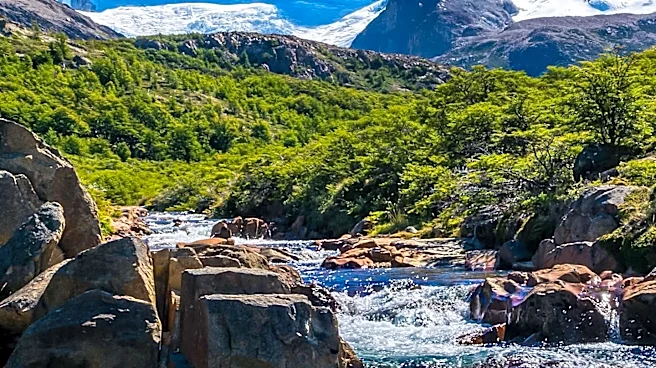
In the remote western region of Argentina, near the Andes, a group of tech billionaires is constructing a sanctuary designed to withstand potential global catastrophes. The project, known as Wamani, spans 32,000 hectares in San Carlos, Mendoza, and was
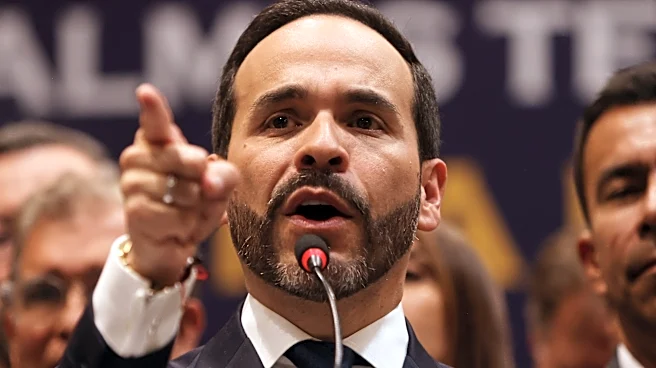
acquired in December 2023. This initiative follows the inauguration of Javier Milei, whose deregulation and free-market policies have attracted Silicon Valley magnates. The project is spearheaded by Martín Varsavsky, an Argentine-Spanish entrepreneur, and involves significant investments in solar panels, prefabricated homes, and a private airstrip. Despite its ambitious goals, the project faces skepticism from local residents and challenges from climate conditions, such as water stress and extreme winds.
Why It's Important?
The development of Wamani highlights the intersection of technology, politics, and global crisis preparedness. It reflects a growing trend among wealthy individuals to seek refuge from potential global disruptions. The project also underscores the influence of political policies on foreign investment and land acquisition. While it promises economic benefits, it raises concerns about land ownership and the impact on local communities. The initiative could set a precedent for similar projects, influencing land use policies and international investment strategies in Argentina.
What's Next?
The project's future will likely depend on its ability to address local concerns and environmental challenges. The Argentine government may continue to promote policies that attract foreign investment, potentially leading to more projects like Wamani. However, the initiative's success will hinge on its sustainability and the ability to integrate with local communities. Ongoing political and environmental developments will play a crucial role in shaping the project's trajectory.
Beyond the Headlines
The Wamani project raises ethical questions about land use and the role of wealth in crisis preparedness. It highlights the disparity between global elites and local populations, emphasizing the need for equitable resource distribution. The initiative also prompts discussions about the environmental impact of large-scale developments and the responsibility of investors to consider local ecosystems and communities.