






What's Happening?
Three districts in Mozambique, specifically Doa in Tete province and Morrumbala and Lugela in Zambézia, have reached the highest level of nutritional vulnerability due to the El Niño phenomenon. This assessment, conducted by the Nutrition Cluster, a collaborative
body involving the Mozambican government, United Nations agencies, and humanitarian organizations, indicates that these areas are at severe risk of population nutritional deterioration. The El Niño-Associated Nutritional Vulnerability Index, which considers climate shocks, food insecurity, disease, and other vulnerabilities, placed these districts in severity category 4. The analysis, based on data from national entities like the Technical Secretariat for Food Security and Nutrition (SETSAN), reveals that 45 out of approximately 70 districts examined are in severity level three, and 22 are in level two, highlighting widespread nutritional risks across the country. Projections for October 2026 to March 2027 anticipate a worsening situation, with an estimated 1.8 million people facing acute food insecurity and 254,000 in emergency conditions. Additionally, 103,617 children aged 6 to 59 months and 11,131 pregnant and lactating women are estimated to suffer from acute malnutrition.
Why It's Important?
The escalating nutritional vulnerability in Mozambique underscores the severe humanitarian crisis unfolding due to climate change and its associated phenomena like El Niño. The projected increase in acute food insecurity to 1.8 million people and the significant number of children and pregnant women suffering from malnutrition highlight a critical public health emergency. This situation places immense strain on Mozambique's healthcare system and humanitarian aid infrastructure, which are already challenged by recurrent cholera outbreaks, childhood diseases, and limited access to safe drinking water and sanitation. The degradation of indicators is further compounded by extreme weather events and, in some regions, insecurity and population displacement. The delay in publishing field analysis results also hampers the capacity for timely anticipation and response from humanitarian actors, potentially leading to more severe outcomes. The Mozambican President's call for anticipatory action emphasizes the urgent need for new funding mechanisms for food security, as the country is cyclically hit by natural disasters, making long-term resilience-building crucial.
What's Next?
In response to the escalating crisis, partners are advocating for a dual-focused approach that includes both the treatment of existing malnutrition cases and the implementation of preventive measures for at-risk populations. These measures are expected to encompass food assistance, nutritional supplementation, micronutrient distribution, and cash transfers. Additionally, interventions in the water, sanitation, and hygiene sectors are deemed critical to address underlying vulnerabilities. The Mozambican President has urged for anticipatory actions to mitigate the impacts of El Niño, emphasizing the need to invest in water management, irrigation, adapted technology, early warning systems, and storage. This proactive stance aims to build resilience against future climate shocks. The effectiveness of these interventions will depend on overcoming delays in data dissemination and securing adequate funding to support comprehensive humanitarian and developmental efforts. The international community's response and support will be crucial in preventing a further deterioration of the humanitarian situation in Mozambique.
Beyond the Headlines
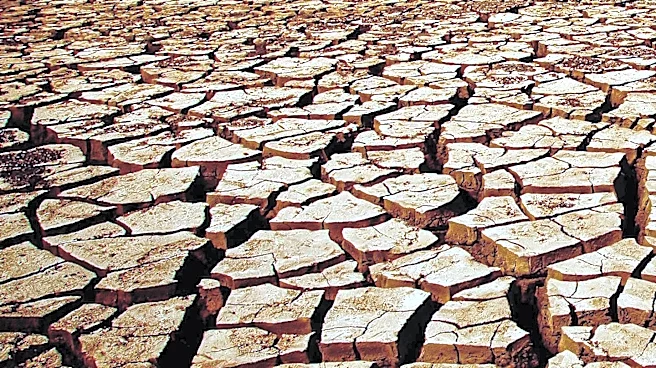
The situation in Mozambique reflects a broader global challenge where climate change disproportionately affects vulnerable populations, exacerbating existing inequalities and humanitarian crises. The El Niño phenomenon, while natural, is intensified by global warming, leading to more extreme weather events such as severe droughts in the south and heavy rainfall in the north of Mozambique. This highlights the ethical imperative for developed nations, historically larger contributors to climate change, to support countries like Mozambique in adaptation and mitigation efforts. The interconnectedness of food security, public health, and climate resilience is evident, as nutritional vulnerability is linked to a cascade of issues including disease, lack of clean water, and displacement. The call for new funding mechanisms for food security also points to the need for innovative financial solutions that can address the long-term impacts of climate change, moving beyond short-term emergency aid to sustainable development and resilience-building. This crisis underscores the urgent need for global cooperation and equitable resource distribution to protect the most vulnerable communities from the escalating impacts of climate change.