







What's Happening?
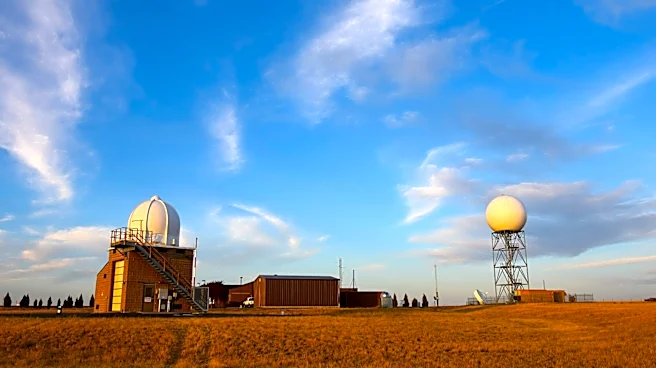
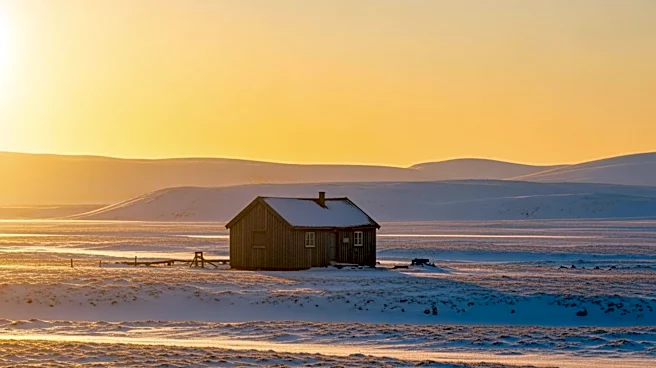
Utqiagvik, Alaska, the northernmost city in the United States, has entered its annual 'midnight sun' period, where the sun will not set for 84 consecutive days. This phenomenon began on May 10 and will last until August 2. The National Weather Service
shared a time-lapse video showing the sun setting at 1:48 a.m. and rising at 2:57 a.m., marking the start of this unique period. The continuous daylight is due to the Earth's axial tilt, which positions the Northern Hemisphere towards the sun during the summer months, resulting in extended daylight hours across northern Alaska.
Why It's Important?
The midnight sun period significantly impacts the daily lives of Utqiagvik's residents, affecting sleep patterns, mental health, and local activities. The continuous daylight can disrupt circadian rhythms, leading to sleep disorders and other health issues. However, it also provides opportunities for extended outdoor activities and boosts tourism, as visitors flock to experience the unique natural phenomenon. The event highlights the broader implications of Earth's axial tilt on climate and daylight distribution, offering insights into how natural cycles influence human and ecological systems.
What's Next?
As the midnight sun period progresses, local authorities and businesses in Utqiagvik will likely continue to adapt to the extended daylight. This includes adjusting business hours and community events to accommodate the unique conditions. Researchers may also use this period to study the effects of prolonged daylight on human health and behavior. Additionally, the phenomenon may attract increased media attention and tourism, providing economic benefits to the region. The end of the midnight sun on August 2 will mark a return to more typical day-night cycles, requiring further adjustments from the community.