
What's Happening?
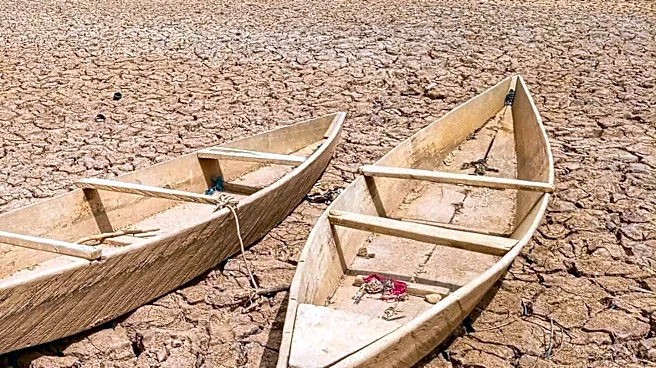
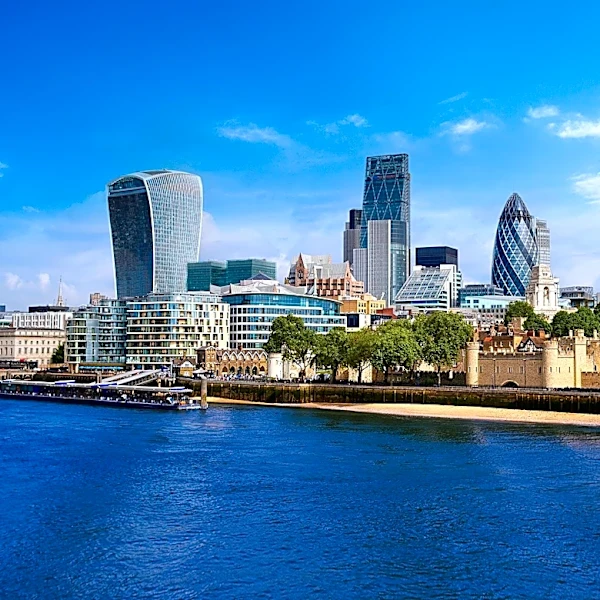
The Environment Agency has declared a drought in seven regions across England, impacting up to 28 million people. The affected areas include East Anglia, London, Thames Valley, Hampshire, Devon, Cornwall, the West Midlands, and Wessex. This declaration
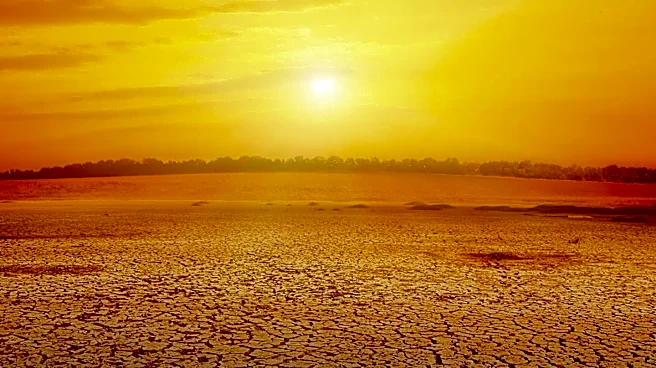
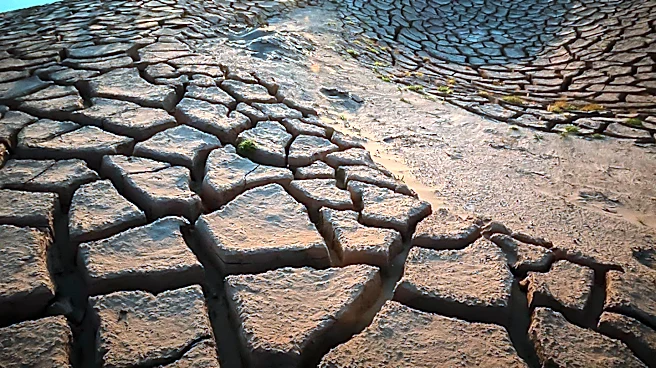
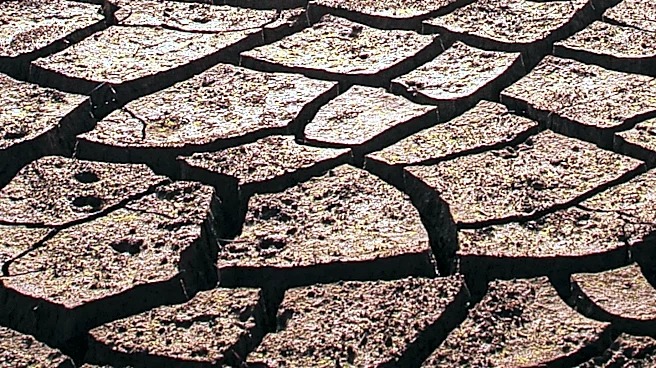
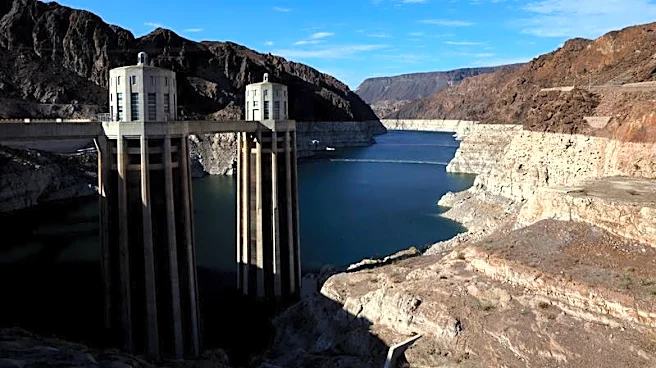
follows a period of low rainfall and consecutive heatwaves, with July expected to be the driest month on record. The agency has described the situation as a 'flash drought,' with water levels in rivers dangerously low. Water Minister Emma Hardy emphasized the need for long-term changes in the water industry, including investments in infrastructure such as new reservoirs. The drought has led to hosepipe bans and has severely impacted agriculture and water levels.
Why It's Important?
The drought declaration highlights the increasing challenges posed by climate change, as England faces more frequent and severe weather events. The impact on agriculture could lead to higher food prices and economic strain on farmers. Additionally, the water shortages may affect daily life for millions, prompting water conservation measures and potential disruptions in supply. The government's response, including infrastructure investments, is crucial to mitigate future risks and ensure water security. This situation underscores the need for comprehensive climate adaptation strategies to protect the environment and economy.
What's Next?
The Environment Agency will continue to monitor water levels and implement drought plans to manage the crisis. Water companies are expected to reduce leaks and ensure uninterrupted supplies. The government may face pressure to accelerate infrastructure projects and enhance water conservation efforts. Public awareness campaigns could be launched to encourage responsible water usage. Long-term, this event may drive policy changes and investments aimed at improving resilience against climate change-induced droughts.
Beyond the Headlines
The drought raises ethical questions about resource allocation and the responsibility of industries and individuals in conserving water. It also highlights the cultural shift needed to adapt to a 'new normal' of frequent droughts. The situation may prompt discussions on sustainable agriculture practices and the role of technology in water management. As climate change continues to affect weather patterns, society must consider the long-term implications for environmental stewardship and economic stability.