



What's Happening?
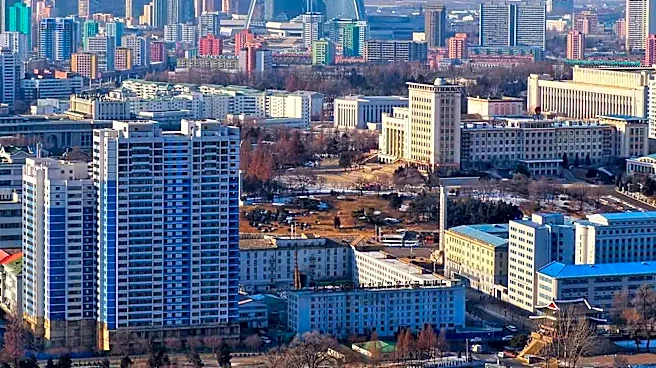
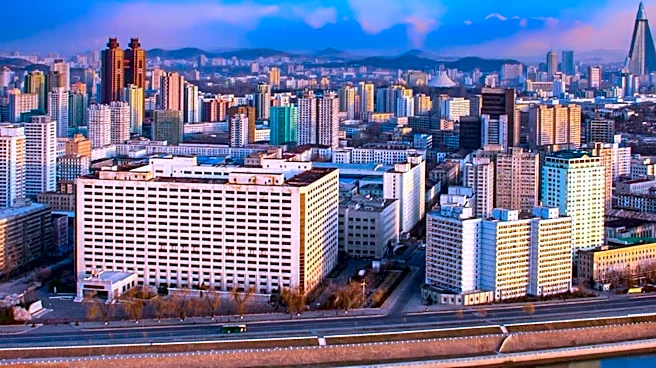
Korean-born American photojournalist Hyungwon Kang spent two weeks traveling across North Korea in April, becoming one of the first Western journalists allowed into the country since it closed its borders during the COVID-19 pandemic. Kang observed incremental
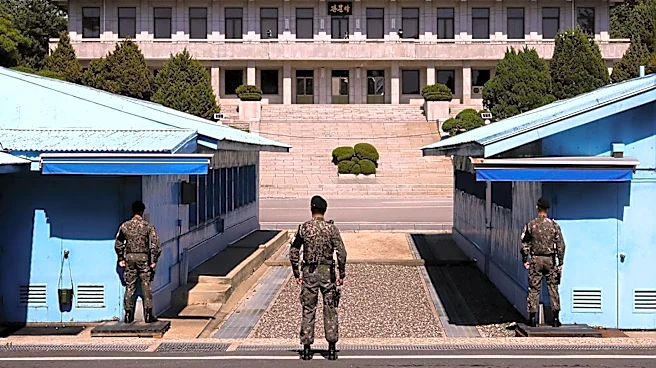
improvements in daily life compared to his last visit 29 years ago. He noted that North Korea remains a highly segregated society, limiting residents' travel between cities. Kang also reported on shifting views regarding reunification, stating that many young people in South Korea are now skeptical about the costs involved. Additionally, there are reports that North Korea has begun constructing a border wall along its side of the Military Demarcation Line. Lane Luckie, reporting from the Demilitarized Zone (DMZ), also provided a glimpse into a rural village on the Gwansanbando Peninsula, home to about 4,000 people, featuring newly constructed homes, a public cultural hall, an elementary school, and the Kim Il Sung Memorial Hall.
Why It's Important?
This rare firsthand account offers valuable insights into a largely opaque nation, providing a counterpoint to information often filtered through official state media or defector testimonies. The observation of incremental improvements in daily life, even within a highly controlled environment, suggests subtle internal dynamics that may not be immediately apparent from external analyses. The reported construction of a border wall by North Korea signifies a hardening of its stance towards the South and a potential long-term commitment to division, further complicating any future prospects for inter-Korean dialogue or reunification. The skepticism among South Korean youth regarding reunification highlights a generational shift in attitudes, which could influence future South Korean policy towards the North and potentially impact the broader geopolitical landscape of the Korean Peninsula. For the U.S., understanding these internal shifts and evolving public sentiments is crucial for formulating effective diplomatic and security strategies in the region.
What's Next?
The insights from Kang's visit may contribute to a more nuanced understanding of North Korea, potentially influencing how international observers and policymakers approach engagement with the reclusive state. The reported construction of a border wall will likely be monitored closely by South Korea and the U.S. as an indicator of North Korea's long-term intentions regarding inter-Korean relations. The evolving perspectives on reunification among South Korean youth could lead to future policy debates within South Korea, potentially shifting the national consensus on engagement or deterrence. Further journalistic access, if granted, would be crucial for continuing to monitor these subtle changes and provide more comprehensive insights into North Korean society. However, given North Korea's history of strict control over information, such access remains rare and highly selective.
Beyond the Headlines
The observations from Kang's visit touch upon deeper societal and political currents within North Korea. The 'incremental improvements' in daily life, while not detailed, could signify either a strategic effort by the regime to improve living standards to maintain stability or a natural progression despite sanctions. The reported removal of 'unification' from vocabularies suggests a deliberate ideological shift by the North Korean government to solidify a separate national identity, moving away from the long-held goal of a unified Korea. This has profound implications for the future of the Korean Peninsula, potentially signaling a permanent division in the minds of younger generations. Ethically, the limited access and controlled environment for journalists mean that any observations must be interpreted with caution, acknowledging the inherent biases and restrictions. Culturally, the continued veneration of past leaders, as seen with the Kim Il Sung Memorial Hall, underscores the enduring power of the personality cult in North Korean society, even as subtle changes occur at the grassroots level.