
What's Happening?
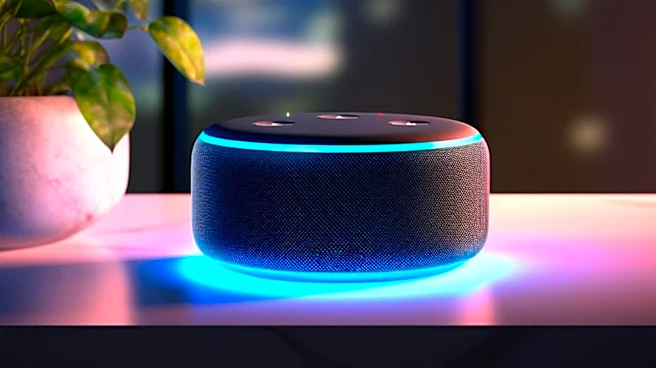
The SwitchBot Hub Mini is a compact and affordable WiFi hub designed to convert traditional infrared (IR) remote-controlled devices into voice-controlled smart devices. It functions as an IR blaster, capable
of learning and replicating signals from nearly any IR remote, including those for TVs, air conditioners, soundbars, projectors, and IR lights. Additionally, it acts as a WiFi bridge, bringing other SwitchBot gadgets like curtains, bots, and sensors online. This connectivity allows users to control these devices remotely and integrate them with popular voice assistants such as Alexa, Google Home, SmartThings, and Home Assistant. The device is praised for its versatility in IR learning, its ability to make IR-only devices compatible with voice commands, and its discreet, easy-to-set-up design. However, it has some limitations, including a fixed 2-second command delay for IR commands, occasional app inconsistencies, and incompatibility with certain remotes like Xfinity cable boxes. It is important to note that the SwitchBot Hub Mini is not a universal Zigbee, Z-Wave, Thread, or Matter coordinator.
Why It's Important?
This technology is significant for U.S. consumers as it offers an accessible and cost-effective solution for integrating older, IR-controlled appliances into modern smart home ecosystems. By enabling voice control for devices that typically lack smart features, the SwitchBot Hub Mini enhances convenience and accessibility, particularly for individuals who may benefit from hands-free operation. This can lead to increased independence for users, including those with disabilities, by simplifying daily tasks and routines. The product's compatibility with major voice assistants like Alexa and Google Home means it can seamlessly fit into existing smart home setups, expanding their functionality without requiring expensive upgrades to all appliances. The affordability of the device also democratizes smart home technology, making advanced control features available to a broader segment of the population, thereby accelerating the adoption of smart home solutions across the U.S. market.
What's Next?
The continued development of devices like the SwitchBot Hub Mini suggests a trend towards greater interoperability and accessibility in the smart home market. Future iterations may focus on reducing command delays, improving app stability, and expanding compatibility with a wider range of IR remotes and smart home protocols. As consumer demand for integrated and voice-controlled environments grows, manufacturers will likely invest in refining these bridging technologies to offer more seamless and reliable experiences. The success of such devices could also encourage other companies to develop similar solutions, fostering competition and innovation in the smart home sector. This could lead to more robust and user-friendly options for converting traditional appliances into smart devices, further blurring the lines between old and new technology in American households.
Beyond the Headlines
The proliferation of devices like the SwitchBot Hub Mini highlights a broader societal shift towards automation and convenience, driven by advancements in artificial intelligence and connectivity. This technology not only simplifies daily life but also has profound implications for accessibility and independent living, particularly for aging populations and individuals with disabilities. By enabling voice control over a wide array of household appliances, it empowers users to manage their environments with greater ease, fostering a sense of autonomy. However, it also raises questions about data privacy and security, as more devices become connected to the internet and controlled through centralized hubs. The reliance on cloud services for remote access and voice assistant integration means that user data is being collected and processed, necessitating robust privacy policies and security measures to protect sensitive information. This ongoing integration of technology into personal spaces underscores the need for continuous dialogue about the ethical implications and regulatory frameworks surrounding smart home ecosystems.