





What's Happening?
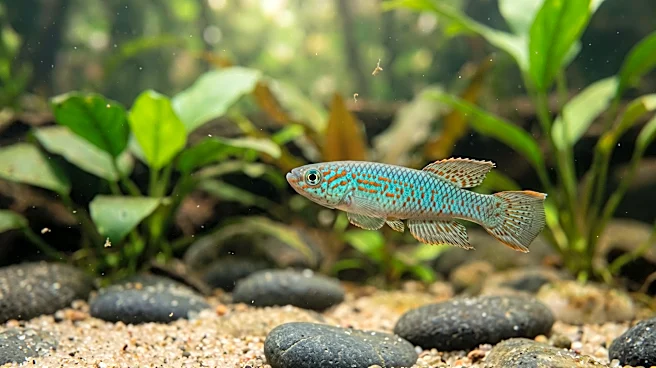
Researchers in the Brazilian state of Amapá have identified and described a new species of killifish, named Laimosemion laranja. This fish is notable for the striking orange-red markings on the bodies and fins of its males. The name 'laranja' is significant
as it means both 'orange' and 'fruit' in Portuguese, and also honors Laranjal do Jari, the municipality where the species was found. The description, published in 'Zoosystematics and Evolution,' is based on both physical characteristics and genetic evidence. DNA analysis revealed a 5.3% genetic divergence from its closest relatives, and distinct differences in scales, fins, and skeletal features further confirmed its status as a separate species. Eschmeyer's Catalog of Fishes has officially listed L. laranja as a valid species. The fish is small, measuring less than 3cm, and its vibrant colors make it distinctive despite its size.
Why It's Important?
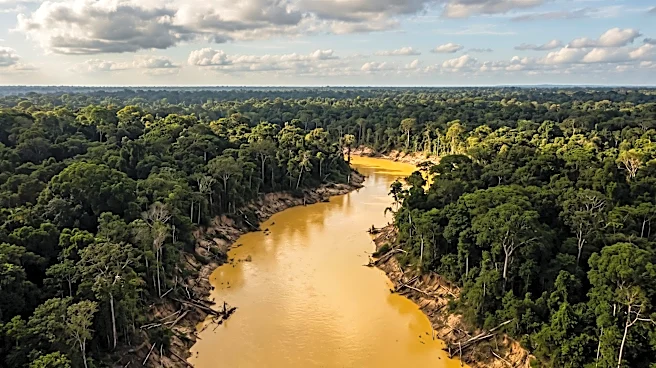
The discovery of Laimosemion laranja highlights the rich biodiversity of the Amazon rainforest and underscores the ongoing need for scientific exploration and conservation efforts in the region. New species discoveries contribute to our understanding of evolutionary biology and ecosystem dynamics. However, the importance of this discovery is tempered by a concerning observation: the known habitats of L. laranja, limited to three locations in the lower Cajari River drainage, show signs of disturbance from deforestation, mining, urban development, and plastic pollution. With an estimated extent of occurrence of only 25 square kilometers, researchers propose that the species meets the IUCN criteria for classification as Endangered. This situation exemplifies the broader threat of habitat loss and environmental degradation facing countless species in biodiverse regions globally, emphasizing the urgency of conservation measures to protect newly identified and existing species before they are lost.
What's Next?
The immediate next step for Laimosemion laranja will likely involve a formal IUCN Red List assessment to officially classify its conservation status, which researchers anticipate will be 'Endangered.' This classification would trigger increased attention and potential conservation initiatives aimed at protecting its limited habitat. Further research may also focus on understanding the species' unique biological traits, such as the potential for its embryos to suspend development in seasonally disappearing habitats, a characteristic observed in other members of the Rivulidae family. Efforts to mitigate the environmental disturbances in its known range, including addressing deforestation, mining, urban development, and plastic pollution, will be crucial. This could involve collaboration between local governments, environmental organizations, and scientific bodies to establish protected areas or implement sustainable land-use practices to safeguard the species and its ecosystem.
Beyond the Headlines
The discovery of Laimosemion laranja, while a scientific triumph, also serves as a poignant reminder of the rapid pace of environmental change and its impact on biodiversity. The proposed 'Endangered' status for a newly discovered species highlights a critical paradox: we are still uncovering the planet's biological treasures even as human activities threaten their existence. This situation raises ethical questions about humanity's responsibility to protect species and ecosystems, particularly in regions like the Amazon, which are vital for global ecological balance. The presence of deforestation, mining, and pollution in the fish's habitat points to systemic issues of resource exploitation and inadequate environmental regulation. This discovery could catalyze broader discussions on sustainable development practices and the integration of conservation priorities into economic planning, emphasizing that biodiversity loss is not just an environmental issue but also a matter of long-term human well-being and ecological stability.