






What's Happening?
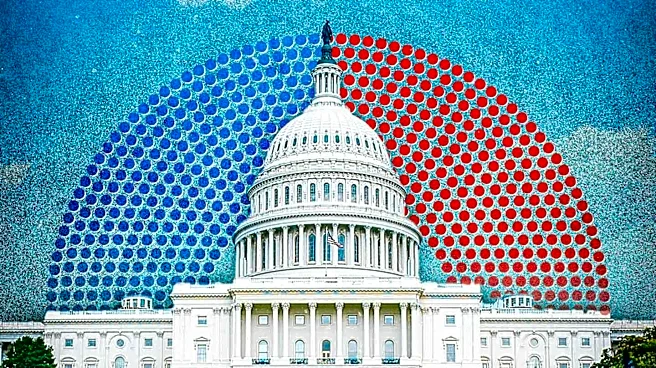
As the United States celebrates its 250th anniversary, a significant portion of Americans are advocating for major changes to the political system, which would likely necessitate amending the U.S. Constitution. According to recent surveys, there is widespread
support for imposing term and age limits on elected officials, limiting political campaign spending, and electing the president by popular vote instead of the Electoral College. However, these changes face significant hurdles as they would require constitutional amendments, a process that demands a two-thirds majority in both houses of Congress and ratification by three-quarters of the states. The U.S. Constitution, in effect for 237 years, has been amended only 27 times, with the last amendment occurring in 1992.
Why It's Important?
The push for these reforms highlights a growing public desire for a more responsive and accountable political system. Term limits and age restrictions could address concerns about career politicians and the aging leadership in government, potentially leading to a more dynamic and representative political landscape. Limiting campaign spending could reduce the influence of money in politics, promoting fairer elections and reducing corruption. Shifting to a popular vote for presidential elections could enhance democratic representation by ensuring that the candidate with the most votes wins, addressing criticisms of the Electoral College system. These changes could significantly alter the political landscape, impacting governance and policy-making in the U.S.
What's Next?
Despite the strong public support, achieving these reforms remains challenging due to the difficulty of amending the Constitution. The process requires broad political consensus, which is hard to achieve in the current polarized political climate. Lawmakers have frequently proposed amendments, but few have advanced. The debate over these issues is likely to continue, with potential for increased advocacy and public pressure on legislators. The possibility of a constitutional convention, though unprecedented, remains a theoretical option if enough states demand it. The outcome of these efforts could shape the future of American democracy.