




What's Happening?
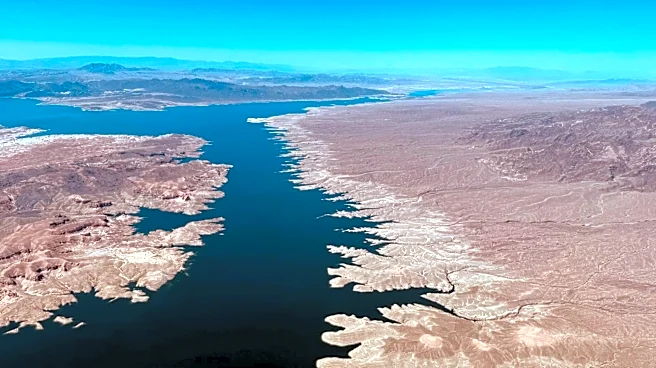
Amid ongoing disputes over Colorado River water allocations, Arizona's Central Arizona Project (CAP) is reconsidering its funding for a cloud seeding program aimed at increasing snowfall in the Rocky Mountains. This program, which has been in place since
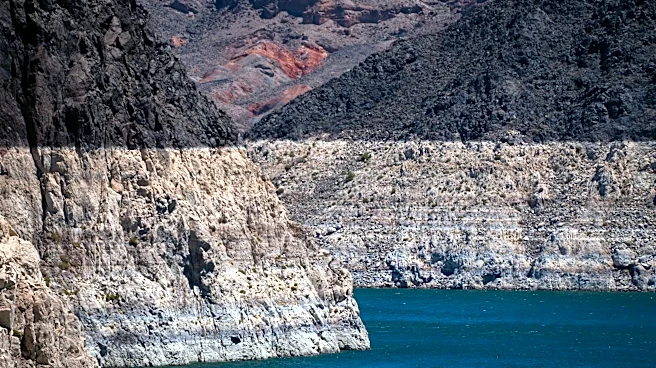
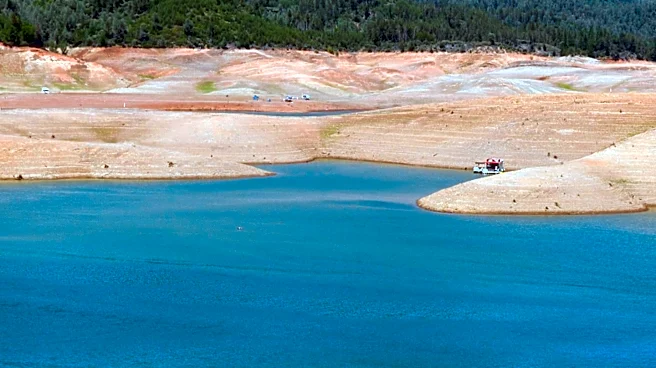
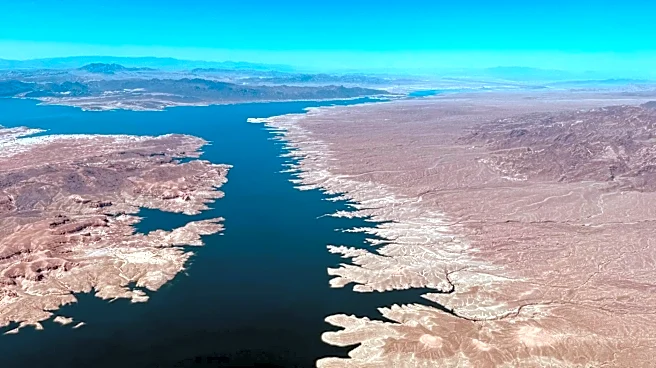
2007, involves releasing particles into the air to enhance snow accumulation in critical watersheds. The CAP board is debating whether to continue funding the initiative, as tensions rise between the Upper Basin states (Colorado, Utah, Wyoming, New Mexico) and the Lower Basin states (Arizona, California, Nevada) over water rights. The federal government has proposed significant water use reductions for the Lower Basin states, intensifying the debate.
Why It's Important?
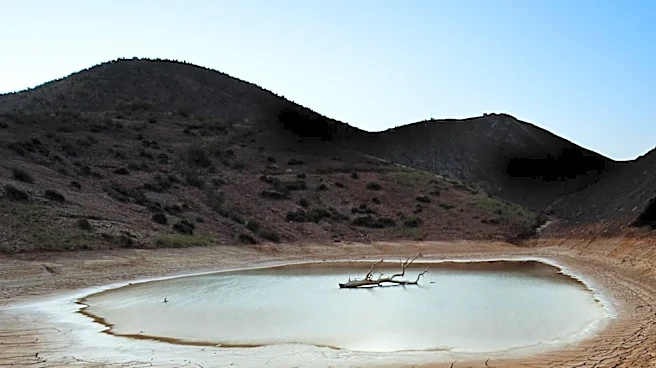
The potential withdrawal of Arizona's funding from the cloud seeding program could have significant implications for water management in the region. As water scarcity becomes a pressing issue due to climate change and prolonged droughts, collaborative efforts like cloud seeding are crucial for maintaining water supplies. Arizona's decision could strain relationships with other states and impact the overall effectiveness of water conservation strategies. This development highlights the complexities of interstate water agreements and the challenges of balancing local interests with regional cooperation. The outcome of this debate could set a precedent for future water management policies in the Western United States.
What's Next?
The CAP board is expected to make a decision on its participation in the cloud seeding program at its next meeting in September. This decision will likely influence future negotiations and collaborations between the Upper and Lower Basin states. Stakeholders, including water agencies and environmental groups, will be closely monitoring the situation, as the outcome could affect water availability and management strategies across the region. The decision may also prompt discussions on alternative water conservation measures and the need for more comprehensive, long-term solutions to address water scarcity in the Colorado River Basin.