
What's Happening?
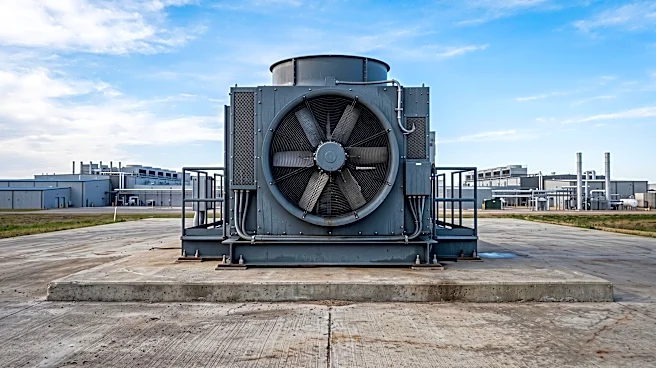
A recent Harvard University study, published in Nature Sustainability, indicates that 403 of the largest U.S. data centers generated more heat-trapping gas in one year than the entire nation of Denmark.
The research, conducted between May 2024 and April 2025, analyzed the electricity use and emissions of these facilities, estimating they produced approximately 28.3 million tons of carbon dioxide. This figure is two to three times higher than previous estimates. More than half of the 82 terawatt-hours of electricity consumed by these data centers, enough to power nearly 7 million homes annually, originated from fossil fuels. The study highlights a concerning trend, especially with the rapid expansion of artificial intelligence (AI) infrastructure, which is expected to further increase energy demands. Experts, including Fengqi You, a Cornell University energy systems scientist, emphasize the need for reliable measurements and disclosure from companies regarding power consumption and pollution to effectively manage environmental impacts.
Why It's Important?
The findings of the Harvard study underscore a critical environmental challenge facing the U.S. and its climate goals. The substantial carbon footprint of data centers, particularly with the surge in AI development, directly conflicts with efforts to reduce greenhouse gas emissions. This situation has significant implications for U.S. industries, as tech companies, despite setting ambitious carbon reduction targets, are struggling to meet them due to the escalating energy demands of their data center portfolios. The reliance on fossil fuels for over half of these centers' electricity consumption exacerbates climate change and could lead to increased regulatory scrutiny and public pressure on the tech sector. Furthermore, the study's revelation that current emissions are higher than previously thought suggests that the U.S. may be further behind in its climate commitments than anticipated, potentially impacting international climate negotiations and the nation's credibility in global environmental leadership.
What's Next?
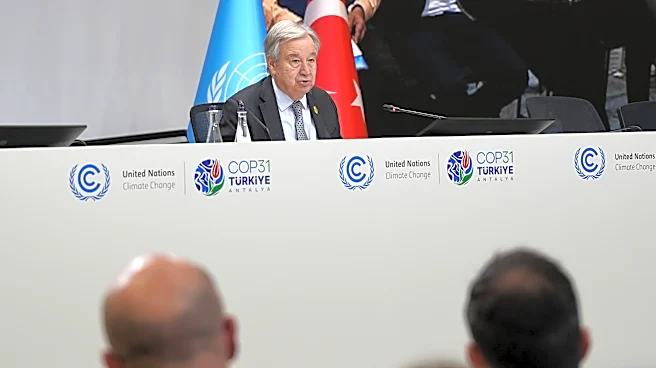
In response to the growing environmental impact of data centers, negotiators at the United Nations COP31 climate talks in Antalya, Turkey, have launched a voluntary pledge. This initiative encourages companies and countries to power data centers with clean energy and increase transparency regarding their power and water consumption and emissions. The pledge, known as the 'Antalya Artificial Intelligence Pledge,' also advocates for the responsible design and management of AI systems, incorporating environmental standards, and promoting the reuse or recycling of infrastructure. COP31 President Murat Kurum has stressed the importance of openly discussing AI's increasing energy consumption and establishing terms for its future. While some, like former U.S. Vice President Al Gore and Caleb Max of the National Artificial Intelligence Association, express optimism about AI's potential to solve climate challenges, others, such as Philip Newell of Climate Action Against Disinformation, remain skeptical, highlighting the immediate harms of rising pollution.
Beyond the Headlines
The escalating energy consumption of U.S. data centers, driven by the AI boom, presents complex ethical and economic dilemmas. While AI offers potential solutions for climate change, its current environmental cost raises questions about the responsible development and deployment of advanced technologies. The lack of transparency from companies regarding their energy use and emissions, as noted by the Harvard study, highlights a broader issue of corporate accountability in environmental stewardship. This situation could lead to increased calls for mandatory reporting and stricter regulations on data center operations. Moreover, the study's findings could fuel local opposition to new data center constructions, as communities become more aware of the environmental burdens, including noise, pollution, and increased electricity prices. The potential for reusing waste heat from data centers, as explored by companies like Danfoss and BaRupOn, offers a promising avenue for mitigating environmental impact and could become a key focus for sustainable infrastructure development.