


What's Happening?
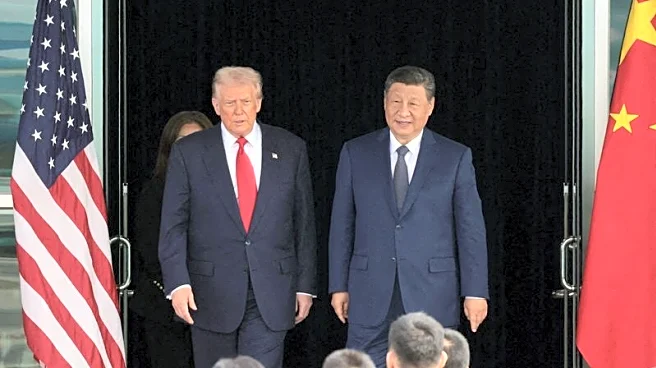
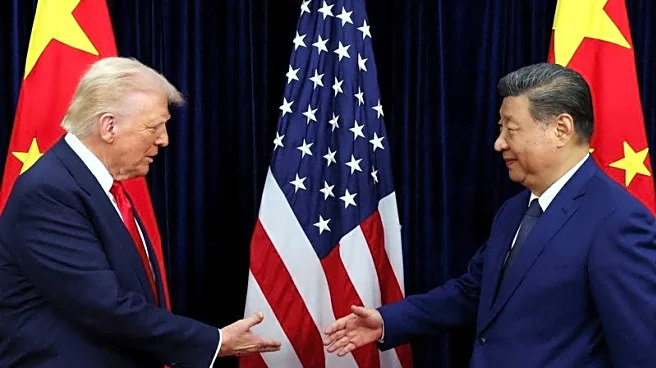
Ahead of President Trump's planned visit to China, Beijing has issued a warning regarding the potential negative impact of U.S. tariff policies on bilateral trade relations. Chinese trade representative Li Chenggang expressed concerns over the Trump administration's
trade investigations, which could disrupt the stable economic ties between the two nations. Meanwhile, President Trump has indicated a desire to postpone his visit to China due to the ongoing conflict in Iran, prioritizing his presence in Washington to manage the situation. This development comes amid heightened global tensions and economic uncertainties.
Why It's Important?
The potential delay of President Trump's visit to China and the warning from Beijing highlight the fragile state of U.S.-China relations. The ongoing trade tensions and tariff policies have significant implications for global trade dynamics and economic stability. A postponement of the visit could exacerbate economic uncertainties, affecting markets and investor confidence. The situation underscores the importance of diplomatic engagement in maintaining stable international relations, particularly between two of the world's largest economies. The outcome of these developments could have far-reaching consequences for global trade and economic policies.
What's Next?
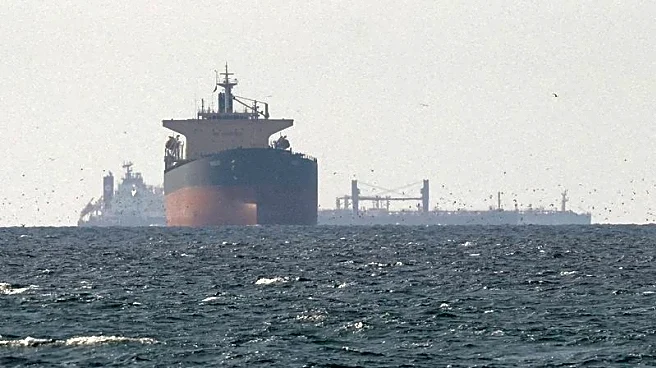
If President Trump's visit to China is delayed, it could lead to further diplomatic negotiations to address trade tensions and tariff disputes. Both countries may seek to reaffirm their commitment to stable economic relations through continued dialogue. The ongoing conflict in Iran and its impact on global oil supplies will also be a critical factor influencing U.S.-China relations. As the situation evolves, stakeholders will be closely watching for any shifts in policy or strategy that could affect international trade and economic stability. The response from other global leaders and markets will also play a crucial role in shaping future developments.