





What's Happening?
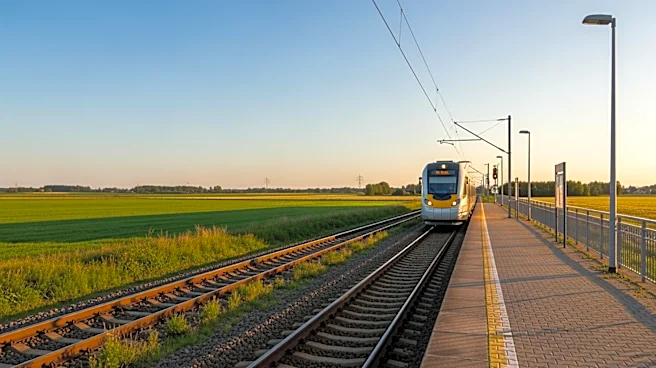
In California's Central Valley, residents are increasingly seeking alternative transportation options due to soaring gas prices, which are nearing six dollars per gallon. This economic pressure has led many travelers in the region to consider trains as a viable
alternative for commuting and travel. The train service running through the Central Valley is gaining attention as it offers a more cost-effective solution compared to driving personal vehicles. This shift in transportation preference highlights the impact of rising fuel costs on daily commuting choices and the potential for increased reliance on public transit systems.
Why It's Important?
The shift towards train travel in the Central Valley underscores the broader economic impact of high fuel prices on American households. As gas prices continue to rise, they strain the budgets of individuals and families, prompting a reevaluation of transportation habits. This trend could lead to increased demand for public transportation infrastructure and services, potentially influencing future transportation policy and investment. Additionally, the move towards more sustainable and cost-effective travel options aligns with environmental goals, reducing carbon emissions associated with personal vehicle use. The situation highlights the interconnectedness of energy prices, consumer behavior, and environmental policy.
What's Next?
If gas prices remain high, it is likely that more residents will continue to explore and adopt alternative transportation methods such as trains. This could lead to increased pressure on local and state governments to expand and improve public transit systems to accommodate growing demand. Additionally, there may be calls for policy interventions to stabilize fuel prices or provide subsidies for public transportation. The trend could also encourage innovation in transportation technology and infrastructure, potentially accelerating the development of more efficient and sustainable transit solutions.