







What's Happening?
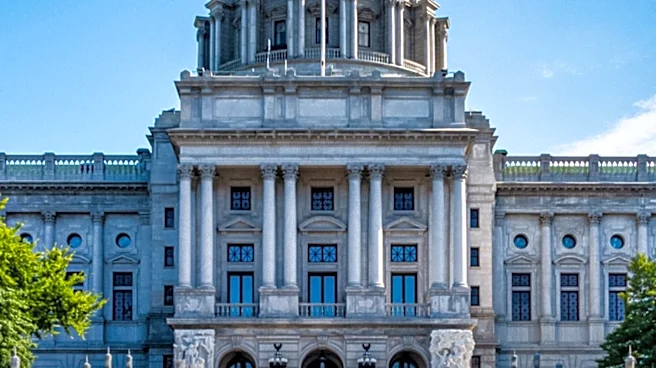
The Pennsylvania state legislature is currently debating measures to regulate the construction and subsidization of data centers, which have been linked to rising electricity costs. The state House has passed three measures aimed at moderating data center development,
including a six-month pause on new construction to allow local officials to update zoning rules. Additionally, the House voted to continue offering tax incentives for data centers that meet environmental and transparency standards, as outlined in Governor Josh Shapiro's 'GRID' plan. However, a separate measure was passed to terminate state subsidies for data centers entirely, a move supported by the Senate. The debate highlights differing views on how to manage the growth of data centers, with some lawmakers advocating for stricter regulations and others supporting continued incentives.
Why It's Important?
The outcome of this legislative debate could significantly impact Pennsylvania's economy and energy landscape. Data centers are major consumers of electricity, and their rapid expansion has contributed to increased utility costs for residents. By potentially ending subsidies, the state could save an estimated $168 million next fiscal year and over half a billion dollars by 2030. This move could also influence the behavior of large tech companies like Google and Microsoft, which may reconsider their investment strategies in the state. On the other hand, proponents of continued incentives argue that data centers are crucial for technological advancement and economic growth, and that Pennsylvania should remain competitive in attracting such investments.
What's Next?
The amended bill, which includes the termination of subsidies, will return to the House for a vote on the changes. The outcome will determine whether the state continues to offer financial incentives to data centers or shifts towards a more regulatory approach. The decision could set a precedent for other states facing similar challenges with data center growth and energy consumption. Additionally, the debate may influence future discussions on how to balance economic development with environmental sustainability and consumer protection.