





What's Happening?
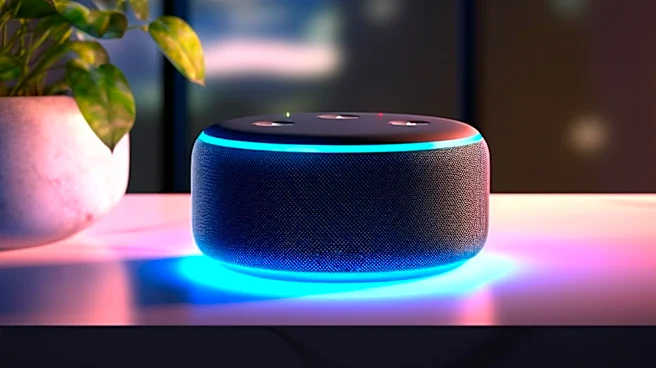
The concept of 'vibe coding' is gaining traction as a method for non-coders to create software by describing desired outcomes to AI rather than writing code line-by-line. This approach is exemplified by the AI assistant Yaffle, which allows users to teach
it custom wake words and perform tasks typically reserved for experienced programmers. The process involves using AI to suggest solutions, which are then tested and refined by the user. This method has been likened to the transformation seen in the music industry with the advent of digital audio workstations, which enabled non-professionals to produce music. The AI-assisted development is facilitated by modern code editors like VSCodium, which host AI assistants to help users solve problems without needing extensive programming knowledge.
Why It's Important?
The rise of vibe coding represents a significant shift in software development, lowering the barrier to entry for creating software. This democratization of coding could lead to a surge in innovation as more individuals are empowered to solve problems and create applications without formal programming training. However, it also raises concerns among professional developers about the quality and security of AI-generated code. The ability for non-coders to produce functional software could disrupt traditional software development roles and processes, much like how digital tools transformed the music and photography industries. This shift could lead to a reevaluation of the skills and expertise required in the tech industry.
What's Next?
As vibe coding becomes more prevalent, there may be increased demand for tools and platforms that support this method of software development. Companies might invest in developing more sophisticated AI assistants to cater to a growing user base of non-coders. Additionally, there could be a push for educational resources to help users understand the limitations and best practices of AI-assisted coding. The tech industry may also see a shift in job roles, with a greater emphasis on managing and refining AI-generated solutions rather than traditional coding. This evolution could lead to new career paths and opportunities for individuals with diverse backgrounds.
Beyond the Headlines
The ethical implications of AI-generated code are a topic of debate, particularly concerning accountability and transparency. As AI takes on more complex tasks, questions arise about who is responsible for errors or security vulnerabilities in AI-generated software. Furthermore, the cultural impact of making software development more accessible could lead to a broader range of voices and perspectives in tech innovation, potentially driving more inclusive and diverse technological advancements. This democratization of coding could also influence educational systems, prompting a shift towards teaching problem-solving and critical thinking skills over traditional programming languages.