




What's Happening?
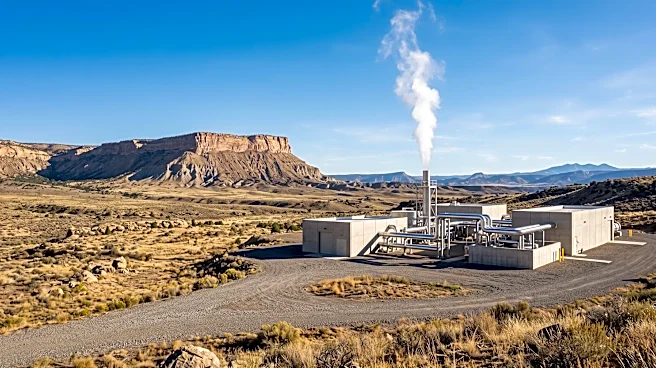
The U.S. Department of Agriculture’s (USDA) Rural Utilities Service has initiated a $410 million Rural Energy Program. This program offers partially forgivable loans to electric cooperatives and other eligible entities. The funding is specifically allocated
to support projects in hydropower, geothermal, and biomass energy. Additionally, the program aims to enhance energy storage capabilities and improve grid resilience across rural areas. This initiative is designed to bolster renewable energy infrastructure and ensure more stable and reliable power delivery in these regions. The program's focus on forgivable loans indicates a strategic effort to incentivize the adoption of sustainable energy solutions and modernize existing energy grids in the United States.
Why It's Important?
This USDA program is crucial for several reasons. Firstly, it directly addresses the need for modernized and resilient energy infrastructure in rural America, which often lags behind urban areas in terms of energy innovation and stability. By offering partially forgivable loans, the USDA is reducing the financial burden on electric cooperatives, making it more feasible for them to invest in costly but essential renewable energy projects and grid upgrades. This will lead to increased energy independence and reduced reliance on fossil fuels in these communities. Furthermore, the focus on hydropower, geothermal, and biomass diversifies the national energy portfolio, contributing to a more sustainable and environmentally friendly energy landscape. Improved grid resilience will also protect rural communities from power outages caused by extreme weather events or other disruptions, ensuring consistent access to electricity for homes and businesses.
What's Next?
Eligible electric cooperatives and other entities in rural areas are expected to apply for these loans to fund their renewable energy and grid resilience projects. The implementation of these projects will likely lead to a significant increase in renewable energy generation capacity and improved energy storage solutions across the country. This could also spur innovation in the renewable energy sector as companies develop new technologies to meet the demands of these projects. The success of this program may also influence future government funding initiatives, potentially leading to expanded programs for renewable energy development and grid modernization in other sectors or regions. Stakeholders, including rural communities, energy providers, and environmental groups, will be closely monitoring the program's impact on energy reliability and sustainability.
Beyond the Headlines
The USDA's Rural Energy Program has deeper implications beyond immediate energy upgrades. It represents a significant step towards bridging the energy infrastructure gap between rural and urban areas, fostering economic development in often underserved communities. By promoting renewable energy sources, the program also contributes to national climate goals and reduces the carbon footprint of the energy sector. The emphasis on grid resilience highlights a growing recognition of the vulnerabilities of current energy systems to climate change and other threats, pushing for a more robust and adaptable national grid. This initiative could also serve as a model for other countries looking to transition to cleaner energy while ensuring equitable access and infrastructure development across all regions.