


What's Happening?
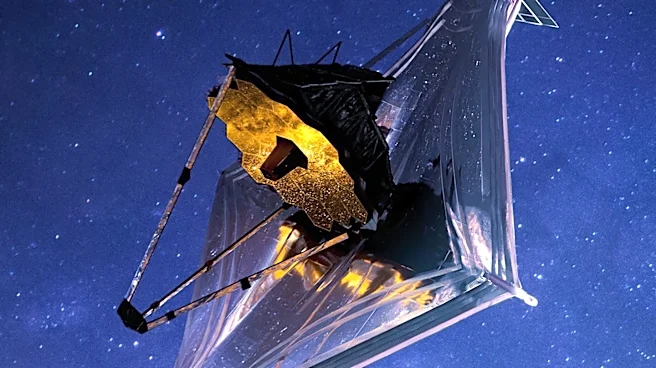
NASA's James Webb Space Telescope has provided new insights into the galaxy Centaurus A, revealing intricate structures previously obscured by dust. The telescope's mid-infrared capabilities have allowed astronomers to observe the galaxy's core, which
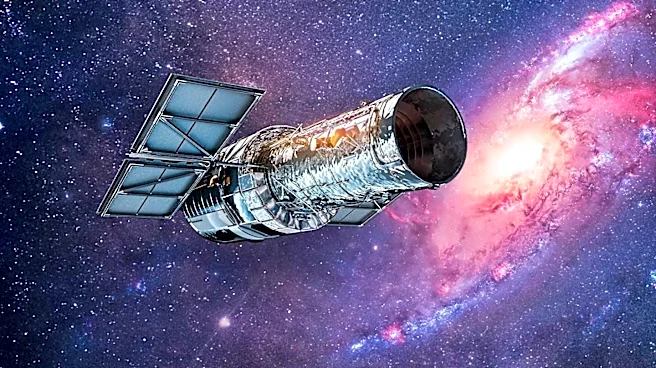
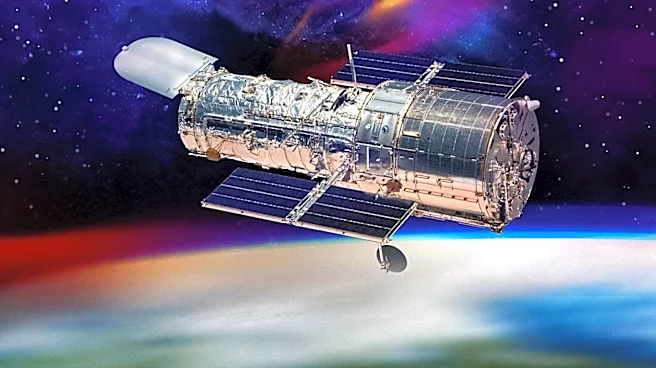
is dominated by a supermassive black hole. This black hole is actively consuming surrounding material and emitting powerful jets, influencing the galaxy's structure. The galaxy's unusual shape is attributed to a past collision with another galaxy, which occurred approximately two billion years ago. The Webb telescope's observations have surpassed those of its predecessors, such as the Hubble and Spitzer Space Telescopes, by offering unprecedented clarity and detail.
Why It's Important?
The findings from the James Webb Space Telescope are significant as they enhance our understanding of galaxy formation and evolution. By examining the detailed structures within Centaurus A, scientists can better understand the interactions between supermassive black holes and their host galaxies. This research contributes to the broader field of astrophysics by providing insights into the processes that govern galaxy dynamics and star formation. The ability to observe these phenomena in such detail helps refine models of cosmic evolution and the role of black holes in shaping galaxies.
What's Next?
Future studies will likely focus on further analyzing the data collected by the James Webb Space Telescope to explore the dynamics of gas and star formation within Centaurus A. Researchers may also compare these findings with observations of other galaxies to identify common patterns and differences. The ongoing advancements in telescope technology will continue to push the boundaries of our understanding of the universe, potentially leading to new discoveries about the fundamental processes that shape cosmic structures.