


What's Happening?
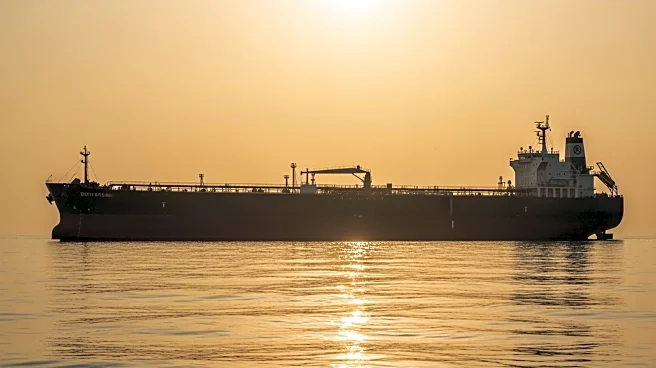
The United States has decided to return a seized oil tanker, the Panama-flagged supertanker M/T Sophia, to Venezuelan authorities. This decision comes after a series of U.S. efforts to seize oil tankers linked to Venezuela, with seven apprehensions occurring
since late last year. The tanker was intercepted on January 7 by the U.S. Coast Guard and military forces, as it was deemed a 'stateless, sanctioned dark fleet motor tanker.' The U.S. administration has not disclosed the reasons for returning the tanker. The Sophia was reportedly carrying oil at the time of its interdiction, although it is unclear if it still holds any oil. This move is part of a broader U.S. strategy in Latin America, where President Trump has focused on Venezuela, aiming to control its oil resources and rebuild its oil industry.
Why It's Important?
The return of the tanker to Venezuela is significant as it highlights the complexities of U.S. foreign policy in Latin America, particularly regarding Venezuela. The U.S. has been actively involved in efforts to undermine the Venezuelan government, led by Nicolas Maduro, and has imposed sanctions on its oil industry. The decision to return the tanker may impact U.S.-Venezuela relations and could influence the dynamics of oil trade in the region. The move also raises questions about the effectiveness and consistency of U.S. sanctions, as well as the potential environmental risks posed by older tankers lacking safety certifications. The broader implications for the U.S. include potential shifts in diplomatic relations and economic strategies in Latin America.
What's Next?
The return of the tanker could lead to further diplomatic engagements between the U.S. and Venezuela, potentially affecting future sanctions and oil trade agreements. The U.S. may continue its efforts to control Venezuelan oil resources, as indicated by President Trump's plans to rebuild the country's oil industry. Additionally, the situation may prompt reactions from other countries involved in the region's oil trade, as well as from international organizations monitoring sanctions and environmental safety. The U.S. administration's next steps could involve reassessing its strategies in Latin America and addressing the legal and environmental challenges associated with seized tankers.
Beyond the Headlines
The decision to return the tanker also underscores the ethical and legal challenges of enforcing international sanctions. The use of older, uncertified tankers poses significant environmental risks, as they are prone to accidents and oil spills. This situation highlights the need for stricter regulations and oversight in the shipping industry to prevent potential ecological disasters. Furthermore, the U.S.'s actions in Venezuela may have long-term cultural and political implications, influencing public perception and the geopolitical landscape in Latin America. The ongoing tensions between the U.S. and Venezuela could also affect regional stability and economic development.