


What's Happening?
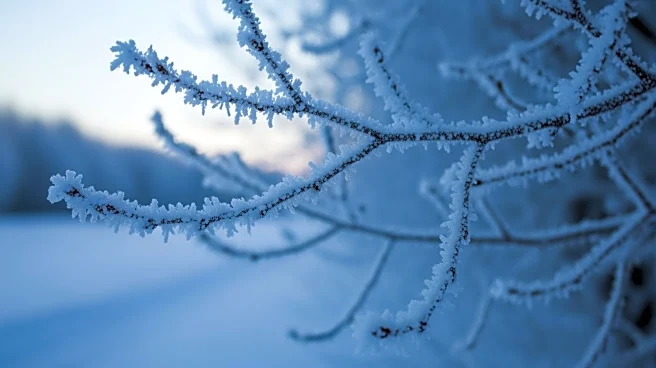
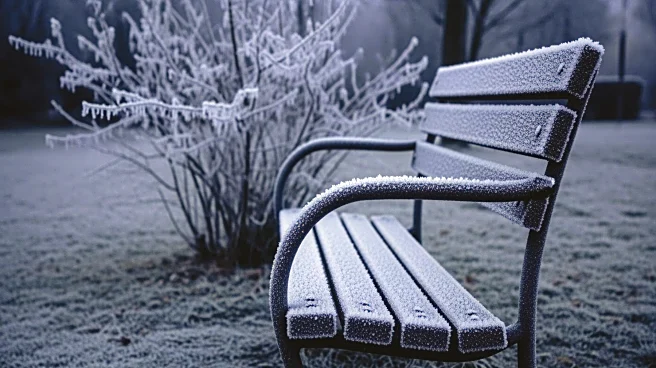
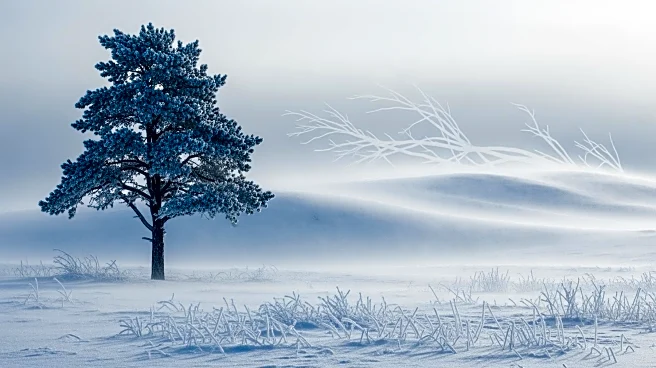
An arctic air mass has swept into the northeastern United States, bringing the coldest temperatures of the year and dangerous wind chills as low as -20 degrees Fahrenheit. According to meteorologists, the mercury in New York City is expected to reach
about 20 degrees, but wind chills will make it feel much colder, with 'real feel' temperatures ranging from -5 to -10 degrees in the city and even colder in upstate areas. The severe weather conditions have already resulted in 17 deaths in New York City this winter, with at least five directly attributed to the cold. The combination of arctic air and gusty winds is creating life-threatening conditions, particularly for those exposed to the elements for extended periods, increasing the risk of frostbite and hypothermia.
Why It's Important?
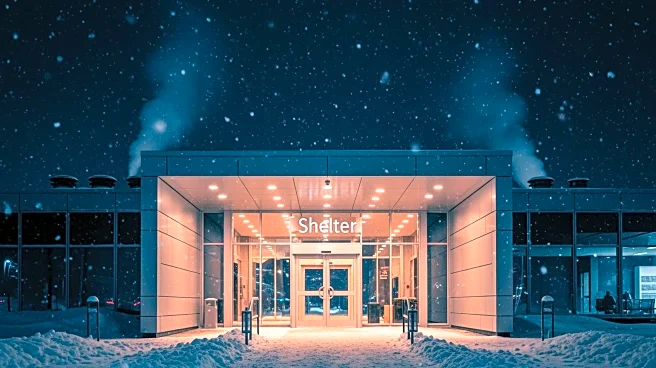
The extreme cold poses significant risks to public health and safety, particularly for vulnerable populations such as the homeless and those without adequate heating. The harsh conditions can lead to increased demand for emergency services and shelters, as well as potential disruptions in transportation and daily activities. The economic impact could also be felt in sectors such as energy, as demand for heating rises, potentially leading to higher utility costs. Additionally, the cold snap serves as a reminder of the challenges posed by severe weather events, highlighting the need for preparedness and resilience in the face of climate variability.
What's Next?
As the arctic blast continues to affect the region, authorities are likely to issue warnings and advisories to ensure public safety. Emergency services and shelters may see increased activity as they work to protect vulnerable populations. Residents are advised to take precautions, such as dressing in layers and limiting time outdoors, to mitigate the risks of frostbite and hypothermia. Meteorologists will continue to monitor the situation, providing updates on weather conditions and potential changes in the forecast.