


What's Happening?
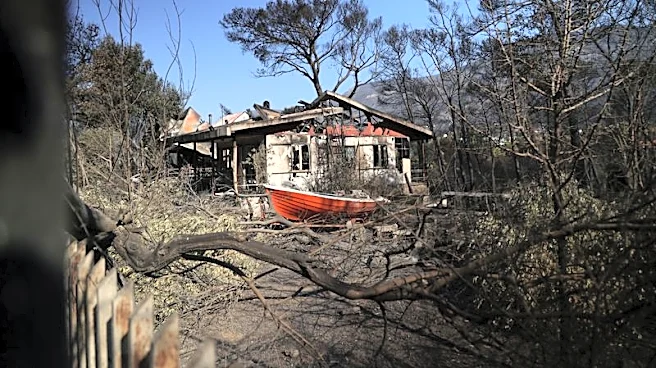
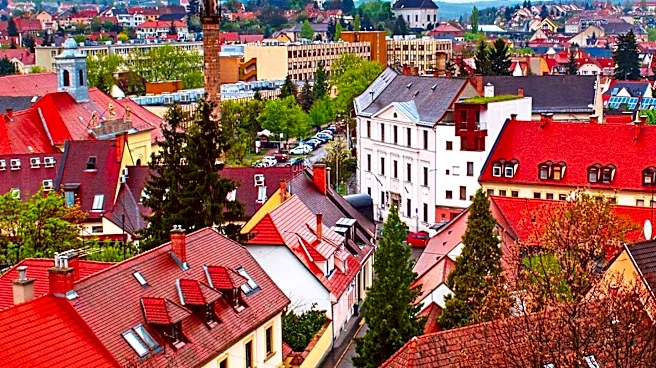
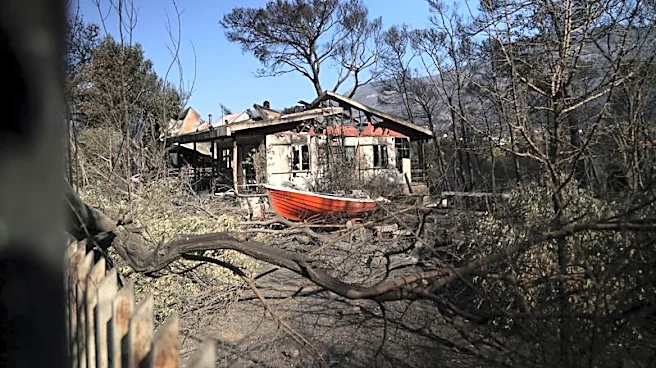
A severe heat wave has gripped Europe, prompting Italy to place all major cities under the highest heat alert. Temperatures have soared above 40 degrees Celsius, setting new records in Austria and Slovakia. The extreme heat has disrupted energy and transport
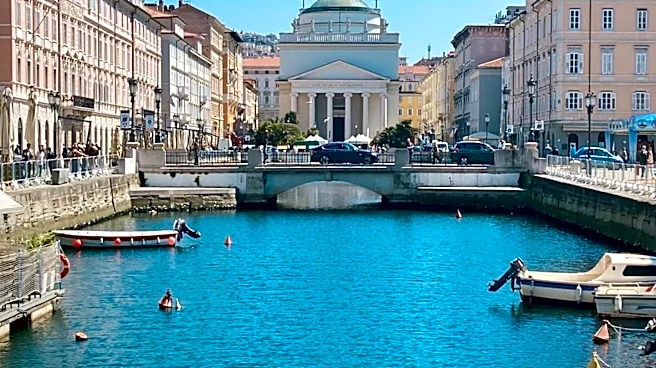
systems, with Austria experiencing severe drought and Hungary reducing power plant output due to low water levels. In Italy, authorities have extended evening hours at tourist attractions and set up cooling stations to help residents cope with the heat. The heat wave highlights vulnerabilities in public health and infrastructure systems across Europe.
Why It's Important?
The heat wave underscores the growing impact of climate change on Europe, with increasing frequency and intensity of extreme weather events. The disruptions to energy and transport systems highlight the need for infrastructure adaptation to withstand such conditions. The situation poses health risks, particularly for vulnerable populations, and challenges governments to implement effective heat mitigation strategies. The economic impact is also significant, with industries like tourism and energy facing operational challenges. This event serves as a reminder of the urgent need for global climate action and resilience planning.
What's Next?
As the heat wave continues, European countries are likely to focus on immediate measures to protect public health and maintain essential services. Long-term, there may be increased investment in infrastructure adaptation and climate resilience. The situation could also influence policy discussions on climate change mitigation and adaptation strategies at both national and international levels. Monitoring and managing water resources will be crucial, especially in regions facing severe drought conditions.