





What's Happening?
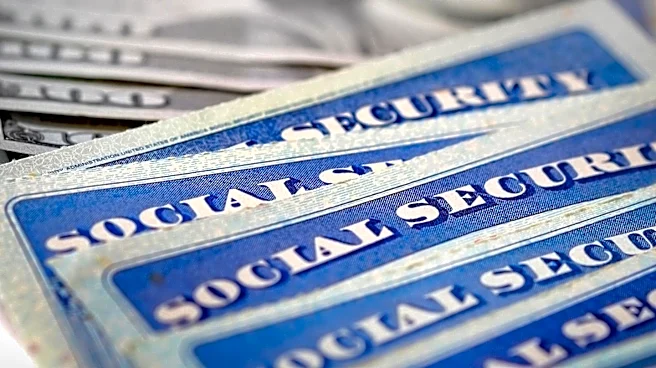
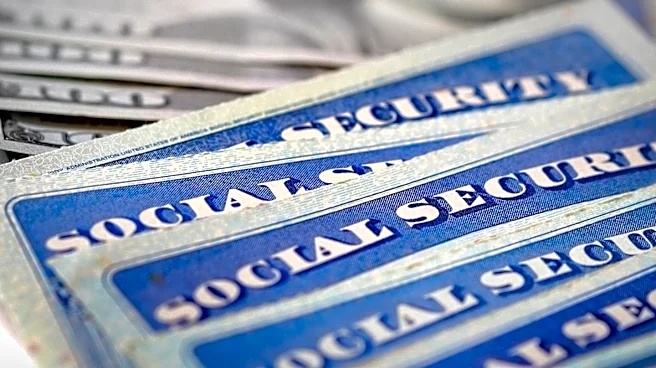
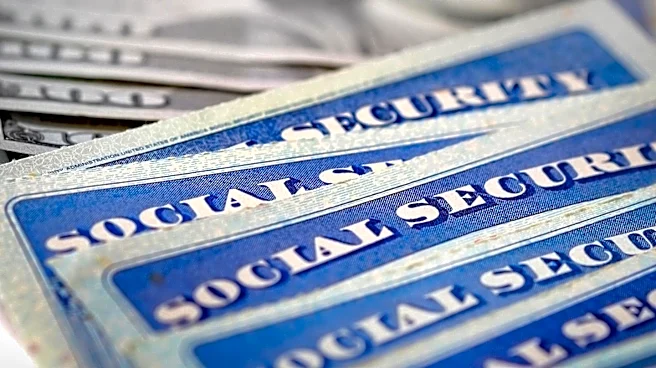
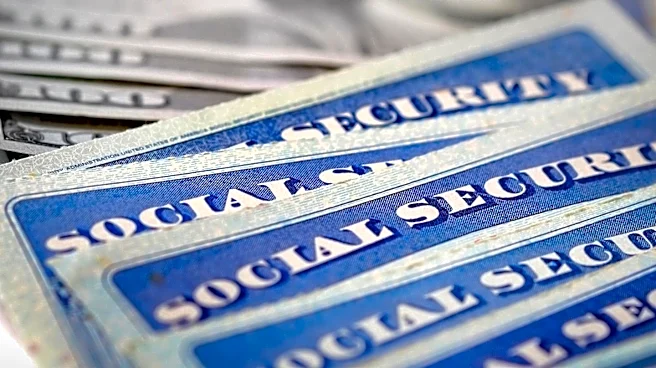
The Social Security Administration (SSA) has provided a comprehensive checklist of documents required for individuals applying for Social Security Disability Insurance (SSDI) and Supplemental Security Income (SSI) benefits in 2027. Applicants will need
to furnish personal identification details, including their Social Security number, birth date, and, if requested, proof of citizenship or immigration status. The SSA also requires information regarding marriage history, children, and banking details for direct deposit. For the medical portion of the application, individuals must provide extensive information about healthcare providers, treatment history, medications, and medical tests. This includes contact information for all medical professionals and facilities, approximate dates of visits, conditions treated, and details about how medical conditions impact the ability to work. Furthermore, applicants must complete Form SSA-827, a medical record authorization form, to allow the SSA to request necessary medical records. For SSI applicants, financial and household records, such as proof of income, bank statements, and housing expenses, are also mandatory to assess eligibility against resource limits, which are set at $2,000 for an individual and $3,000 for a couple in 2027.
Why It's Important?
This detailed guidance from the SSA is crucial for prospective disability applicants as it clarifies the extensive documentation needed to successfully file a claim for 2027 benefits. Understanding these requirements can significantly streamline the application process, reducing delays and potential denials due to incomplete submissions. The emphasis on comprehensive medical and work history documentation underscores the SSA's rigorous evaluation process for determining disability, which aims to ensure that benefits are provided to those who genuinely meet the criteria. For individuals seeking financial support due to inability to work, having a clear checklist helps in preparing their application thoroughly. The specific resource limits for SSI also highlight the financial thresholds that applicants must meet, impacting low-income individuals and families who rely on these benefits for basic living expenses. This information empowers applicants to gather all necessary paperwork proactively, thereby improving their chances of a timely and favorable decision.
What's Next?
Applicants for SSDI and SSI benefits for 2027 should begin gathering all specified documents, including personal identification, comprehensive medical records, and detailed work history. Those applying for SSI will also need to compile financial and household records. The SSA advises that applications can be submitted online, by phone, or by scheduling an appointment at a local Social Security office. After submission, applicants should save their confirmation and monitor their mail for any follow-up requests from the SSA. If any documents are missing, applicants are encouraged to submit what they have and inform the SSA about the missing information, as the agency will provide guidance on how to proceed. Organizations like Advocate offer support in navigating the application process, including eligibility checks, paperwork management, and appeals, which may be a valuable resource for many. The SSA will review all submitted evidence to determine eligibility and the established onset date of disability.
Beyond the Headlines
The meticulous documentation requirements for disability benefits reflect the complex nature of assessing an individual's inability to work due to medical conditions. This process often involves a delicate balance between providing necessary support to disabled individuals and preventing fraudulent claims, which can strain the Social Security system. The detailed medical and work history requirements highlight the SSA's reliance on objective evidence to make determinations, which can be challenging for applicants who may have gaps in their medical records or less formal work histories. Furthermore, the financial thresholds for SSI underscore broader societal discussions about poverty and economic safety nets, as these limits directly impact the most vulnerable populations. The ongoing need for such comprehensive documentation also points to the administrative burden on both applicants and the SSA, raising questions about potential reforms to simplify the process while maintaining its integrity. The system's reliance on detailed records also emphasizes the importance of individuals maintaining thorough personal and medical documentation throughout their lives.