





What's Happening?
The International Rescue Committee (IRC), a prominent international humanitarian non-governmental organization, is actively seeking a Country Director for its operations in Ukraine. This role involves comprehensive leadership and management of all IRC activities
within the country, encompassing resource stewardship, staff safety and security, program quality and accountability, and performance management. The Country Director will serve as the primary representative for the IRC to the Ukrainian government, various donors, international organizations, and other NGOs. Key responsibilities include adapting to the evolving humanitarian landscape, expanding programming, and ensuring effective emergency response readiness. The IRC, founded in 1933 at the behest of Albert Einstein, operates in over 40 countries globally and 29 U.S. cities, focusing on restoring health, safety, education, economic well-being, and empowerment to individuals affected by conflict and disaster. The organization emphasizes its core values of Integrity, Service, Equality, and Accountability, alongside strict policies on Safeguarding, Conflicts of Interest, Fiscal Integrity, and Reporting Wrongdoing and Protection from Retaliation.
Why It's Important?
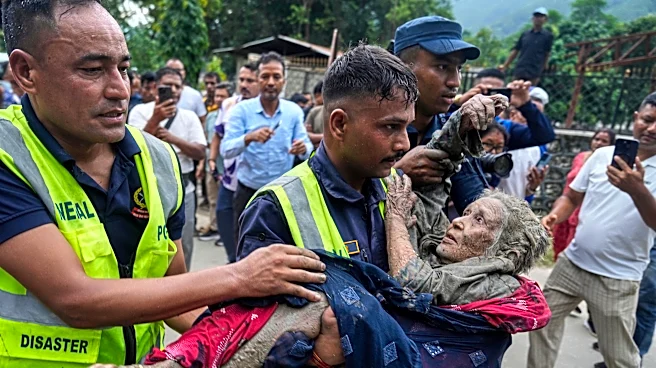
The appointment of a Country Director for Ukraine is crucial for the IRC's continued and effective humanitarian efforts in a region significantly impacted by ongoing conflict. This leadership position ensures strategic oversight and coordination of aid, which directly affects the lives of millions devastated by the crisis. The role's emphasis on program quality, accountability, and emergency response readiness highlights the complex challenges of delivering humanitarian assistance in volatile environments. For the U.S., the IRC's operations, including those in Ukraine, reflect a broader commitment to international humanitarian aid and stability, often supported by U.S. funding and policy. The success of such operations can influence global perceptions of U.S. involvement in humanitarian crises and contribute to mitigating refugee flows and regional instability, which can have indirect impacts on U.S. foreign policy and resource allocation. The IRC's work also aligns with U.S. values of human dignity and support for vulnerable populations worldwide.
What's Next?
The selected Country Director will be tasked with leading the IRC's strategic vision in Ukraine, aligning it with the organization's global objectives to serve more people with high-quality programming. This will involve continuous assessment, design, and development of programs, alongside robust monitoring and evaluation systems. The individual will also be responsible for actively seeking opportunities to expand humanitarian, resilience, and development programming in Ukraine, both in terms of populations and geographical areas served. A critical aspect of the role will be to maintain a deep understanding of the geopolitical landscape and develop responsive strategies to contextual changes, ensuring the IRC's mission can be carried out effectively. Furthermore, the Country Director will lead efforts to improve humanitarian response coordination within Ukraine and foster strong partnerships with local Ukrainian organizations, aiming for collaborative and effective program outcomes.
Beyond the Headlines
The role of a Country Director in a conflict-affected region like Ukraine extends beyond operational management; it embodies the ethical and moral imperative of humanitarian intervention. The emphasis on staff safety and security, program quality, and accountability underscores the profound responsibility of aid organizations to protect both their personnel and the vulnerable populations they serve. The IRC's commitment to core values and strict policies reflects a broader trend in the humanitarian sector towards greater transparency and ethical conduct, especially in complex environments where aid can be susceptible to misuse or diversion. This position also highlights the long-term shifts in humanitarian aid, moving beyond immediate relief to include resilience-building and development programming, aiming to empower communities to reclaim control of their futures. The need for strong leadership in adapting to dynamic contexts also points to the evolving nature of global crises, demanding agility and strategic foresight from humanitarian actors.