



What's Happening?
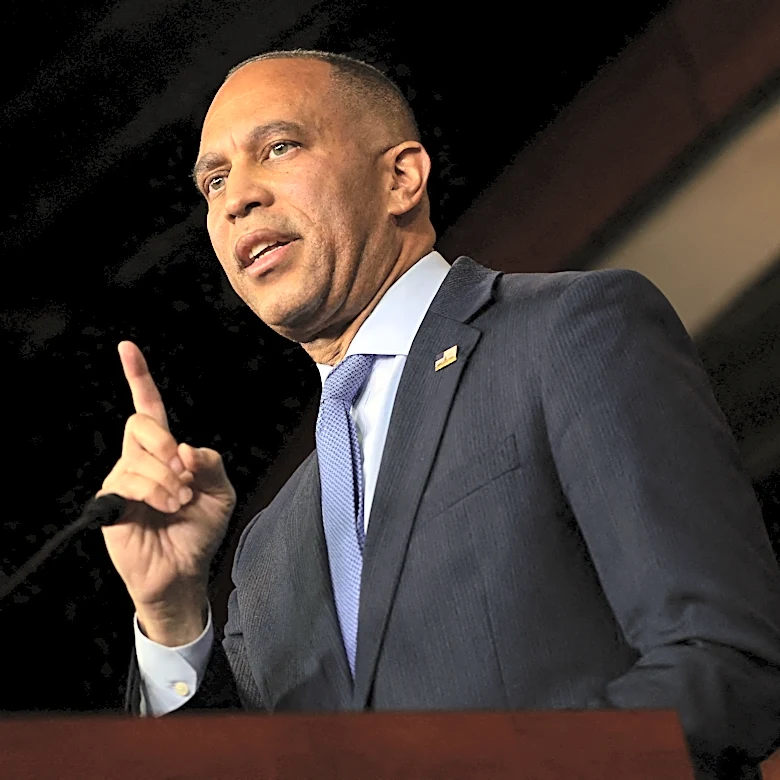
On August 22, 2026, House Natural Resources Committee Ranking Member Jared Huffman (D-Calif.) and Oversight and Investigations Subcommittee Ranking Member Maxine Dexter (D-Ore.) sent letters to National Park Service Acting Director Jessica Bowron and to Trust
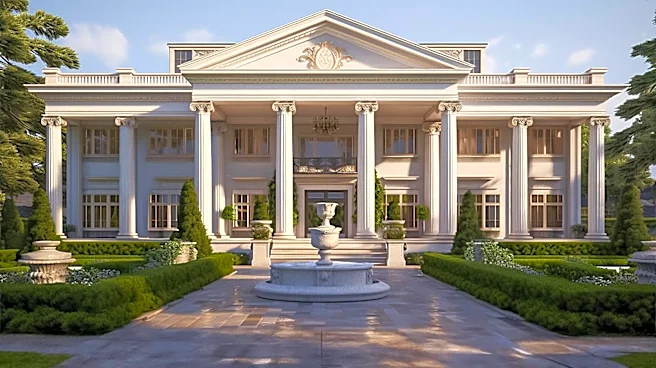
for the National Mall President and CEO Catherine Townsend and COO Cindy Willmann. The letters requested briefings on the fundraising agreements and donor vetting procedures related to President Trump’s White House Ballroom. The lawmakers expressed concerns that a court-compelled agreement allows the White House to handpick donors and potentially conceal their identities from the Trust, which is responsible for vetting for conflicts of interest. This arrangement, they argue, bypasses the National Park Service’s own protections against potential conflicts of interest, including agency review of large donations and audits for partners raising over $1 million. The Democrats highlighted that the Trust for the National Mall had previously denied a request for a meeting on the Ballroom donations in November, refusing to comply with congressional inquiries.
Why It's Important?
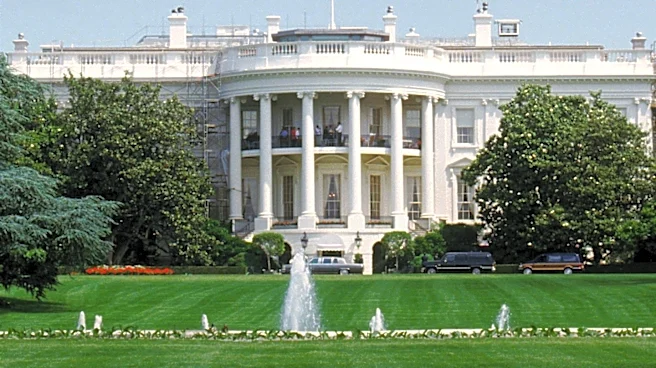
This inquiry is significant because it raises questions about transparency and potential conflicts of interest in the funding of a project within a protected national site. The White House, as a public asset, is subject to specific regulations regarding its use and funding. The alleged ability of the White House to select donors and keep their identities private from the vetting body could undermine public trust and the rule of law. It also suggests a potential circumvention of federal oversight designed to prevent undue influence from private donors. The lawmakers emphasized that the White House belongs to the American people and should not be treated as private property for a President's personal projects. This situation could set a precedent for how future administrations handle fundraising for projects on federal property, potentially eroding the integrity of public institutions and the vetting processes intended to safeguard against corruption.
What's Next?
The House Democrats are seeking briefings from the National Park Service and the Trust for the National Mall to gain clarity on the fundraising agreements and donor vetting procedures for President Trump's White House Ballroom. Their letters indicate a demand for greater transparency and accountability. Depending on the responses received, further congressional action, such as hearings or legislative measures, could be pursued to address the concerns raised. The lawmakers have warned the Trust that its integrity is at stake, suggesting that continued lack of transparency could lead to a loss of public trust. The outcome of these inquiries could influence future policies regarding private funding for projects on federal property and the extent of congressional oversight over such initiatives.
Beyond the Headlines
The controversy surrounding the White House Ballroom fundraising extends beyond mere financial transactions; it touches upon fundamental principles of democratic governance and public accountability. The assertion that the White House is a protected site belonging to the American people, not subject to a President's whims, underscores a broader debate about the appropriate use of public resources and the potential for private interests to influence public policy. The alleged anonymity provisions for donors also raise ethical concerns about the potential for foreign entities to contribute without meaningful review, creating a 'backdoor' for influence. This situation highlights the ongoing tension between presidential authority and congressional oversight, particularly when it involves the use of national symbols and properties. The long-term implications could include a re-evaluation of existing regulations governing fundraising for projects on federal land and a strengthening of transparency requirements to prevent similar situations in the future.