
What's Happening?
Since the Soviet Union's Luna 2 probe first impacted the moon in 1959, humanity has conducted over 140 missions to Earth's natural satellite, resulting in approximately 412,000 pounds (187,000 kilograms)
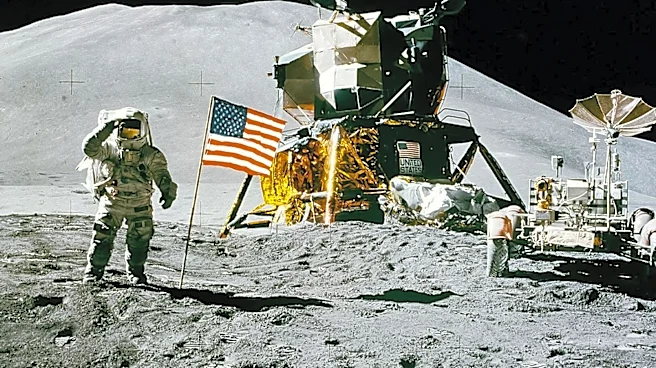
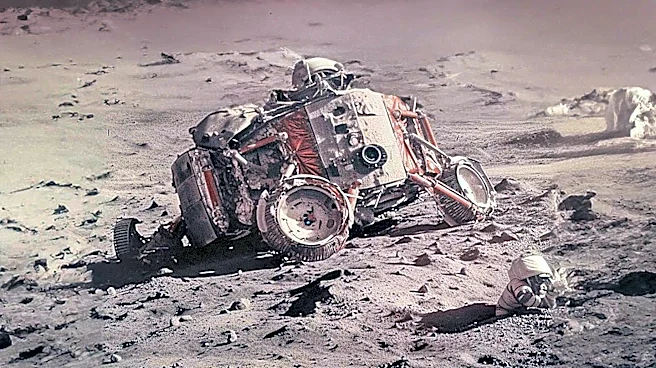
of discarded materials on its surface. This accumulation, equivalent to the weight of a Boeing 747 passenger plane, includes old landing gear from missions like NASA's Apollo program, lunar rovers (both manned and unmanned), scientific equipment, toolboxes, and lunar impactor probes. Aidan Cowley, a science officer at the European Space Agency, notes that much of this debris consists of non-reusable components from early exploration efforts. Despite the harsh lunar environment, which includes micrometeorites, intense radiation, and extreme temperature swings, some of this 'junk' may prove valuable for future lunar exploration.
Why It's Important?
The significant amount of human-made debris on the moon highlights the environmental impact of space exploration and raises questions about lunar preservation. While some debris is simply discarded equipment, its presence offers unique opportunities for scientific study. Analyzing how the lunar environment degrades these materials can inform the design of more durable equipment for future missions, such as improved solar panel protection. This research is crucial as NASA and the China National Space Agency plan crewed missions to the moon within the next five years. The concept of reusing lunar scrap, potentially through 3D printing, could also reduce the need to transport materials from Earth, making future lunar outposts more sustainable and cost-effective.
What's Next?
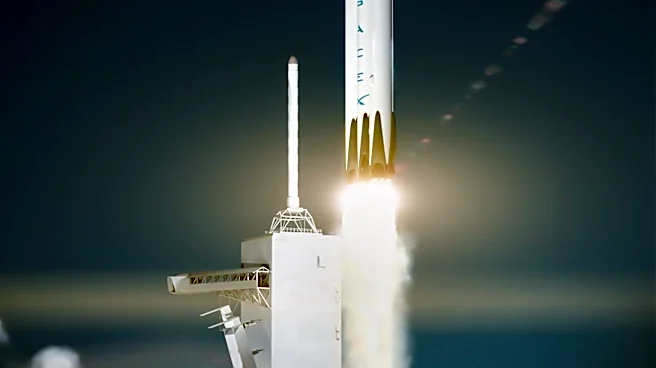
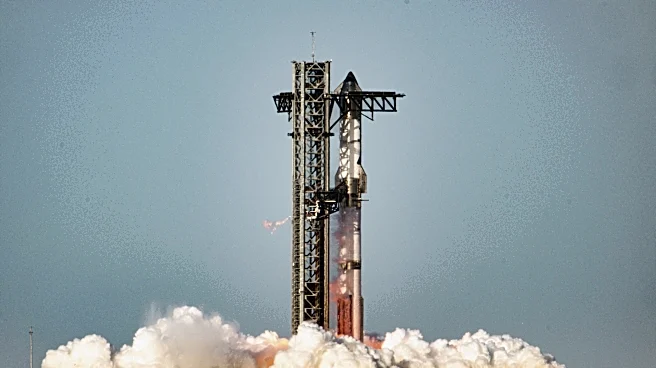
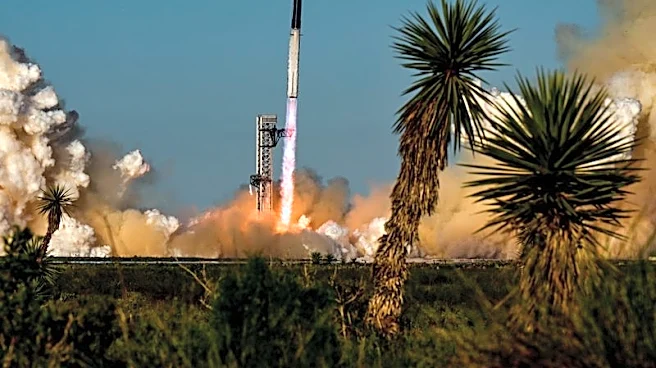
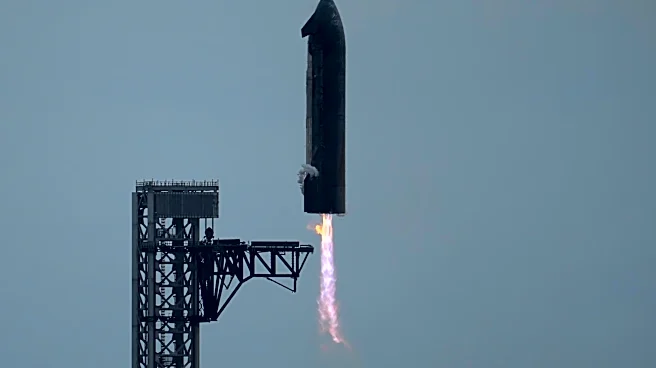
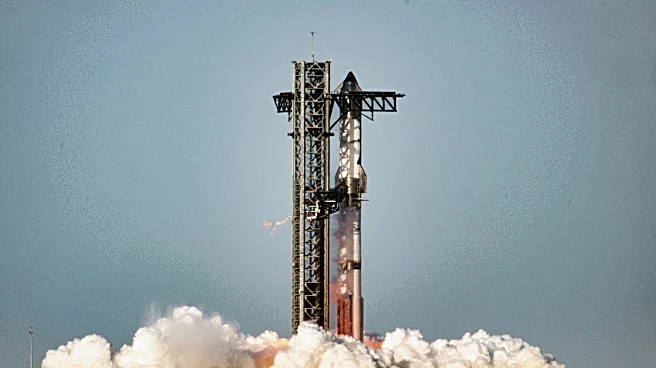
Future moon missions are expected to prioritize reusability in spacecraft design, with vehicles like SpaceX's Starship Human Landing System (HLS) aiming to land and take off as single units, thereby reducing the amount of discarded material. The European Space Agency is actively exploring methods to reuse existing lunar debris, including melting down lightweight aluminum from old vehicles using concentrated sunlight for 3D printing. These efforts will need to account for the challenges posed by lunar dust, which can contaminate materials. The ongoing research into the degradation of materials on the moon will continue to inform the development of more resilient technologies for long-term human presence on the lunar surface.
Beyond the Headlines
The accumulation of debris on the moon presents a unique ethical and practical challenge for humanity's expansion into space. While currently not a direct threat to lunar operations, the concept of 'space junk' on celestial bodies raises questions about responsible space stewardship and the potential for future environmental regulations beyond Earth. The idea of recycling lunar scrap transforms what was once considered waste into a valuable resource, embodying the principle of 'one person's trash is another person's treasure' in an extraterrestrial context. This shift in perspective could pave the way for a more sustainable approach to space exploration, where resources are conserved and utilized in situ, rather than continuously importing them from Earth, fundamentally altering the economics and logistics of lunar colonization.