






What's Happening?
President Trump has expressed dissatisfaction with a recent proposal from Iran regarding its nuclear program. The proposal suggested postponing discussions on Iran's nuclear activities until the end of ongoing conflicts and shipping disputes in the Gulf.
The U.S. administration, however, insists that nuclear issues must be addressed immediately. Despite efforts by Pakistan to mediate, the U.S.-Iran conflict remains unresolved, with energy supplies from the region affected. President Trump has canceled a planned visit by his special envoy and son-in-law to Pakistan, signaling a setback in diplomatic efforts.
Why It's Important?
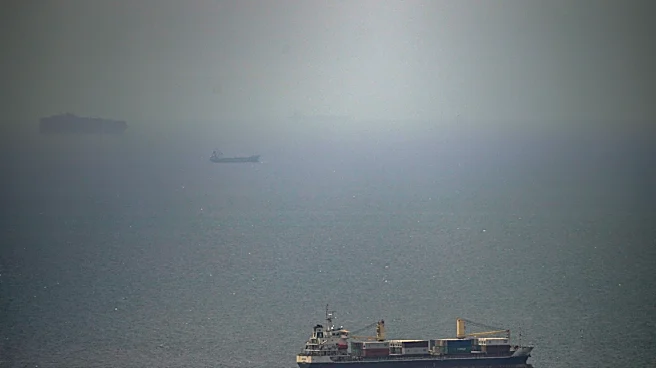
The ongoing standoff between the U.S. and Iran has significant implications for global energy markets and regional stability. The closure of the Strait of Hormuz, a critical chokepoint for oil transportation, has already led to reduced energy supplies and increased prices. The U.S. administration's firm stance on addressing Iran's nuclear ambitions reflects broader concerns about nuclear proliferation and regional security. The failure to reach a diplomatic resolution could exacerbate tensions and lead to further economic and geopolitical instability.
What's Next?
The U.S. and Iran are likely to continue their diplomatic standoff, with both sides holding firm on their positions. The U.S. may increase pressure on Iran through economic sanctions and military presence in the region. Meanwhile, Iran may seek support from other countries to counter U.S. actions. The international community, particularly countries dependent on Gulf oil, will be closely monitoring the situation, hoping for a resolution that ensures regional stability and energy security.