






What's Happening?
Wanda Geter-Pataky, former vice chair of the Bridgeport Democratic Town Committee, and Alfredo Castillo, a current City Council member, have rejected plea deals from the State of Connecticut regarding their alleged involvement in a ballot-tampering scandal
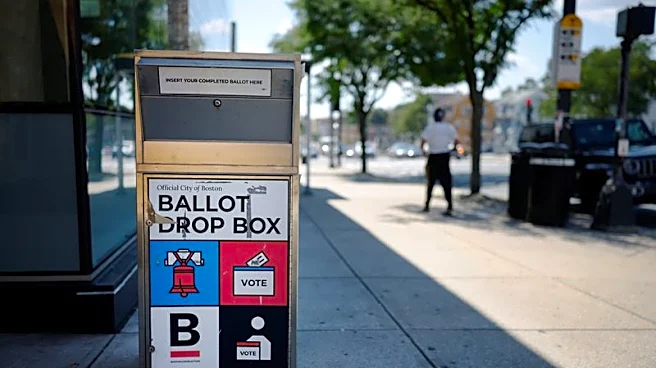
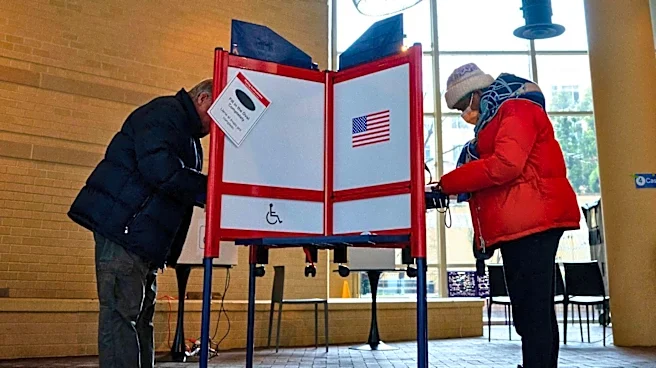
during the city's 2023 mayoral election. Both individuals campaigned for current Mayor Joe Ganim. Geter-Pataky is accused of stuffing ballots into drop boxes, while Castillo is accused of filling out another person's ballot. The judge informed Geter-Pataky that a conviction on all charges could lead to a maximum sentence of 500 years in prison, and Castillo could face up to 165 years. The state offered Geter-Pataky a plea deal of 8 years in jail with eligibility for release after three years, plus three years of probation. Castillo was offered a similar deal, with eligibility for release after 2.5 years. Both defendants declined these offers, indicating their intention to proceed to trial.
Why It's Important?
This rejection of plea deals by key figures in the Bridgeport ballot tampering scandal signifies a critical juncture in a case that has already led to a redo of both the 2023 Democratic primary and general elections for mayor, drawing national attention. The decision to go to trial rather than accept a plea deal suggests a strong defense strategy or a belief in their innocence, which could prolong the legal proceedings and keep the issue of election integrity at the forefront of public discourse. For the U.S. political landscape, particularly at the local level, this case highlights ongoing concerns about the security and fairness of electoral processes, especially regarding absentee voting. The potential for lengthy trials and severe penalties, if convicted, underscores the seriousness with which authorities are treating alleged violations of election law, aiming to deter future misconduct and restore public trust in democratic institutions.
What's Next?
With the rejection of plea deals, the cases against Wanda Geter-Pataky and Alfredo Castillo are now expected to proceed to trial. Both defense attorneys have indicated that trials are unlikely to commence until sometime next year. This period will involve extensive legal preparations, including discovery, motions, and witness preparation. While both sides expressed a desire to resolve the case, the current stance suggests a courtroom battle is imminent. The outcome of these trials could set precedents for how election-related crimes are prosecuted in Connecticut and potentially influence future legislative efforts to reform election laws. The community and political observers will closely watch the proceedings, as the verdicts will have significant implications for the individuals involved and the broader perception of political accountability in Bridgeport.
Beyond the Headlines
The Bridgeport ballot tampering scandal, and the decision by the defendants to reject plea deals, delves into deeper issues surrounding public trust in democratic processes and the integrity of local elections. Beyond the immediate legal ramifications, this case highlights the vulnerability of election systems to manipulation, particularly concerning absentee ballots. The high-profile nature of the scandal and the severe potential sentences, even if unlikely to be fully imposed, serve as a stark reminder of the legal consequences for undermining electoral fairness. This situation could prompt a re-evaluation of election oversight mechanisms and voter education efforts to prevent similar incidents. Furthermore, the politically charged atmosphere surrounding the case underscores the intense scrutiny and polarization that can accompany allegations of electoral fraud, potentially eroding civic engagement if not handled with transparency and due process.