





What's Happening?
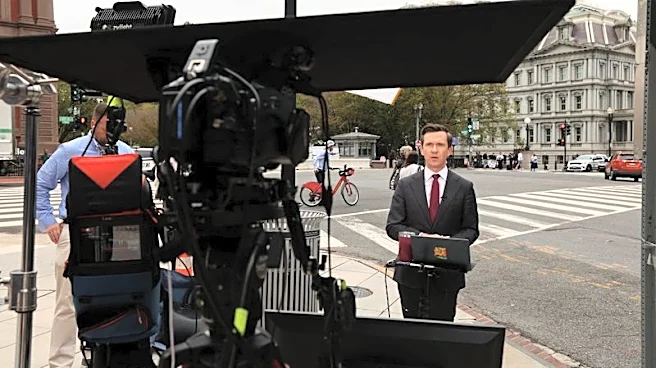
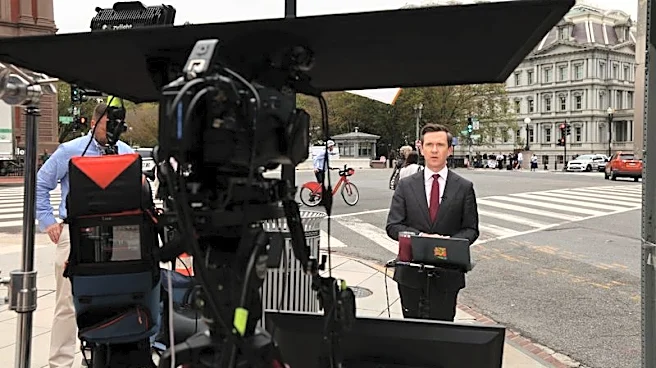
George Mason University (GMU) hosted several summer summits aimed at empowering youth and strengthening engagement in democracy. These programs, part of GMU's Grand Challenge Initiative, included the Washington Journalism and Media Conference (WJMC),
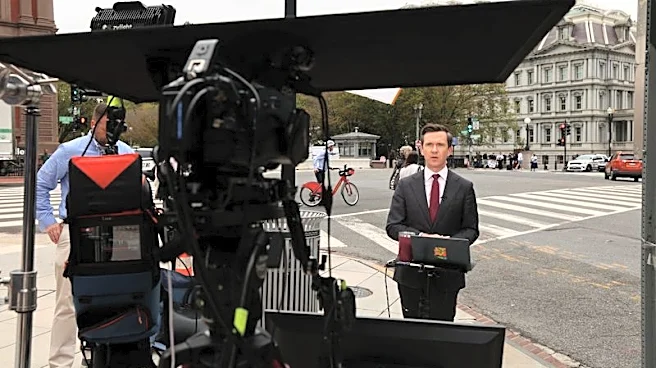
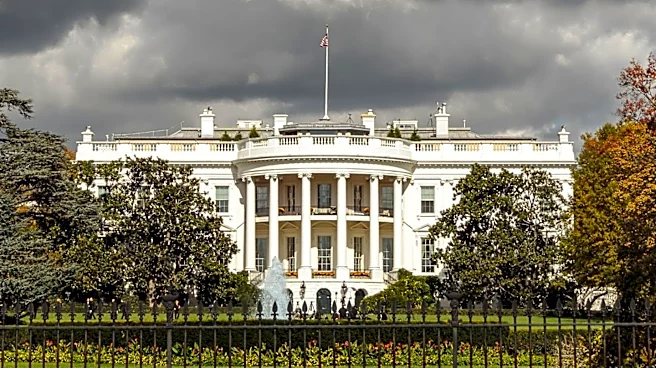
the Conflict Resolution Youth Summit (CRYS), and the George Mason Debate Institute. The WJMC, established in 2009, immersed high school juniors and seniors in journalism, featuring interactions with media experts, members of Congress, and tours of Washington D.C. Participants gained skills in critical thinking, communication, and decision-making, earning college credit. The CRYS, celebrating its 10th anniversary, taught high school students foundational conflict resolution skills like active listening and negotiation, culminating in presentations on school conflicts. The George Mason Debate Institute, running since 2014, focused on public speaking and policy debate for middle and high school students, addressing issues such as the U.S. healthcare crisis and federal financial restrictions on corporate greenhouse gas emissions.
Why It's Important?
These youth summits are crucial for fostering civic engagement and developing essential skills among the next generation of leaders. By providing hands-on experience in journalism, conflict resolution, and public debate, GMU is directly addressing the need for informed, articulate, and engaged citizens. The WJMC's focus on the First Amendment and journalistic ethics is vital in an era of evolving media landscapes and concerns about misinformation. The CRYS equips students with tools to navigate disagreements constructively, a skill increasingly important in a polarized society. The Debate Institute's emphasis on public policy issues encourages critical thinking about real-world challenges, preparing students to contribute to solutions. These programs not only offer academic enrichment but also aim to build trust and strengthen democratic processes by empowering young people to participate meaningfully in their communities and beyond.
What's Next?
George Mason University plans to continue and potentially expand these successful youth programs, reinforcing its commitment to civic education and leadership development. The ongoing success of these summits may inspire other educational institutions to develop similar initiatives, creating a broader impact on youth engagement nationwide. Participants from these programs are expected to apply their newly acquired skills in their schools and communities, potentially leading to more informed discussions, effective conflict resolution, and greater youth participation in local governance. The university will likely continue to refine the curricula of these summits to address emerging societal challenges and technological advancements, ensuring their relevance and effectiveness in preparing young people for future roles in a democratic society.
Beyond the Headlines
The long-term impact of programs like these extends beyond individual skill development to the very fabric of democratic society. By nurturing critical thinking, ethical communication, and constructive dialogue from a young age, these initiatives help counteract trends of polarization and disengagement. They instill a sense of civic responsibility and empower youth to become active agents of positive change, rather than passive observers. The emphasis on understanding and engaging with diverse perspectives, particularly in conflict resolution and debate, can foster greater empathy and mutual respect across different groups. Culturally, these programs contribute to a more robust public sphere where informed discourse is valued and practiced. Ultimately, by investing in the civic education of its youth, George Mason University is contributing to the resilience and vitality of democratic institutions in the United States and globally.