




What's Happening?
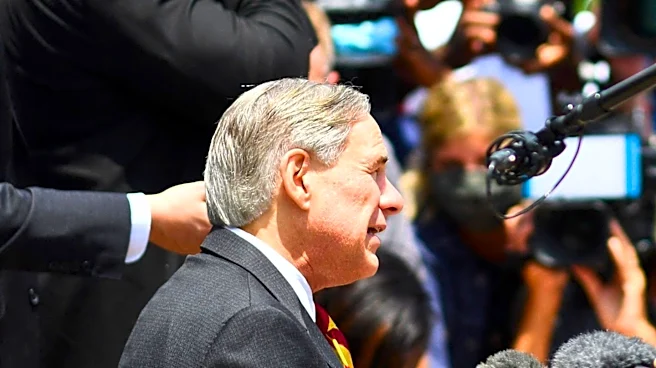
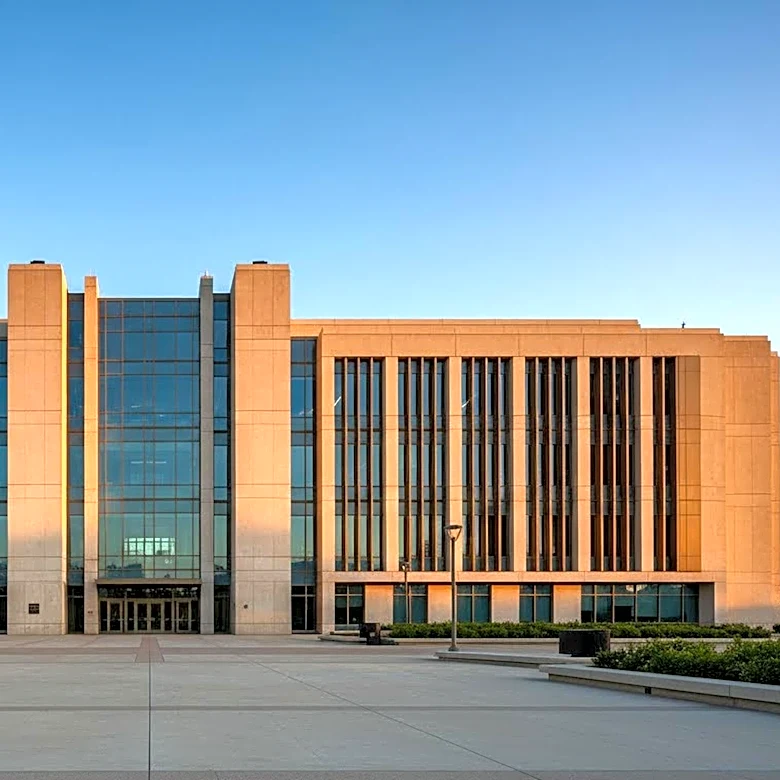
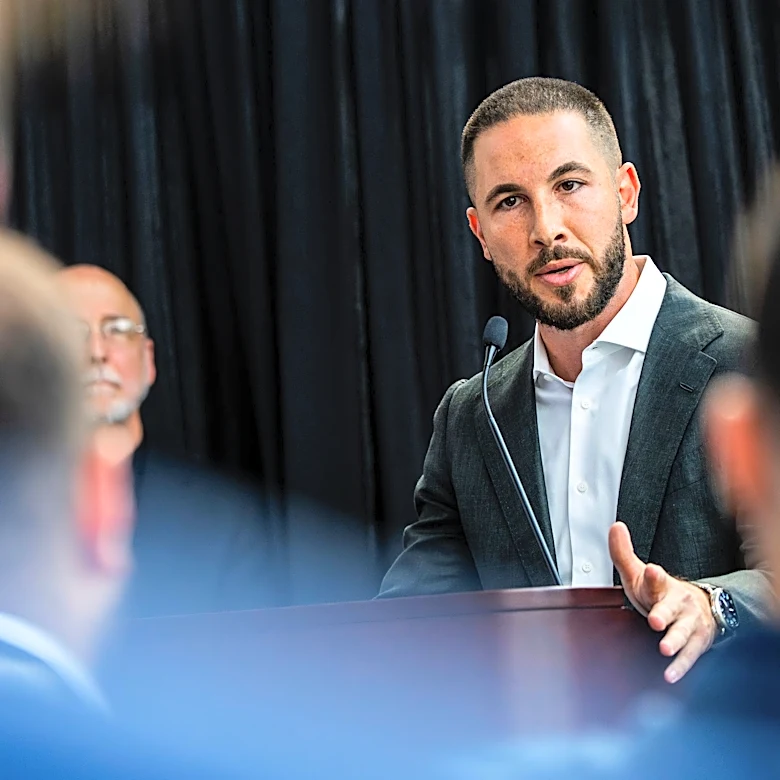
Texas Governor Greg Abbott has threatened to withdraw state and federal grant funds from Dallas Fort Worth International Airport (DFW) and Houston's airports over the presence of Islamic washing facilities, known as ablution facilities. Governor Abbott sent
letters to the CEO of DFW, Christopher McLaughlin, and the mayors of Houston, Dallas, and Fort Worth, stating that his office is reviewing all grant funds. He also referred the airports to U.S. Transportation Secretary Sean Duffy for federal investigations. Abbott asserted that these facilities, used by Muslim individuals for ritual washing before prayer, appear to single out one subset of the population for special treatment based on religion, which he claims is illegal for government-owned facilities. Houston's airport has had an ablution room since 2024, described as being for people of all faiths, while DFW has had a similar station since 2019. Following Abbott's public announcement, DFW airport canceled its plans to install a new religious washing station, citing that it would not deliver the anticipated operational benefits.
Why It's Important?
Governor Abbott's actions carry significant implications for religious freedom, state-federal relations, and the operational autonomy of major U.S. airports. His assertion that ablution facilities constitute illegal religious favoritism challenges the interpretation of religious accommodation in public spaces, potentially setting a precedent for how religious practices are handled in government-owned facilities. The threat to withdraw grant funds could severely impact airport development and maintenance projects, as these facilities rely heavily on state and federal funding. This move also highlights a broader political trend of using state power to influence local policies, particularly on culturally sensitive issues. For Muslim communities, this action could be perceived as discriminatory and an infringement on their right to practice their faith in public spaces. The cancellation of DFW's planned facility demonstrates the immediate chilling effect of such threats, potentially leading other public entities to reconsider accommodations for religious groups to avoid political and financial repercussions.
What's Next?
The immediate consequence is DFW's cancellation of its planned ablution facility. Houston Airport's response to Governor Abbott's threat regarding its existing ablution room is pending. The U.S. Transportation Secretary Sean Duffy will likely review the referral for federal investigations, which could lead to a formal inquiry into the airports' practices. Legal challenges from civil liberties and religious freedom organizations are a strong possibility, as they may argue that denying such facilities infringes upon constitutional rights. The situation could escalate into a broader legal and political battle over the separation of church and state and religious accommodation in public infrastructure. Furthermore, this issue may become a talking point in upcoming political campaigns, particularly in Texas, as it resonates with different segments of the electorate. Airports across the country might also review their policies on religious accommodations to preempt similar controversies.
Beyond the Headlines
This controversy extends beyond the immediate issue of airport facilities, touching upon the deeper societal tensions surrounding religious pluralism and the role of government in a diverse nation. Governor Abbott's framing of ablution facilities as 'special treatment' rather than reasonable accommodation reflects a particular interpretation of religious freedom that prioritizes strict separation over inclusive public spaces. This incident could fuel anti-Islamic sentiment, which has been a recurring theme in Texas Republican messaging, as noted in the source. It also raises questions about the balance of power between state and local governments, with the state leveraging financial control to enforce its ideological positions. The debate over these facilities highlights the ongoing challenge of creating public spaces that are welcoming and accessible to all citizens, regardless of their faith, while navigating complex legal and political landscapes. The outcome of this dispute could influence future policies on religious accommodations in public institutions nationwide, shaping the extent to which religious practices are integrated into or excluded from the public sphere.