




What's Happening?
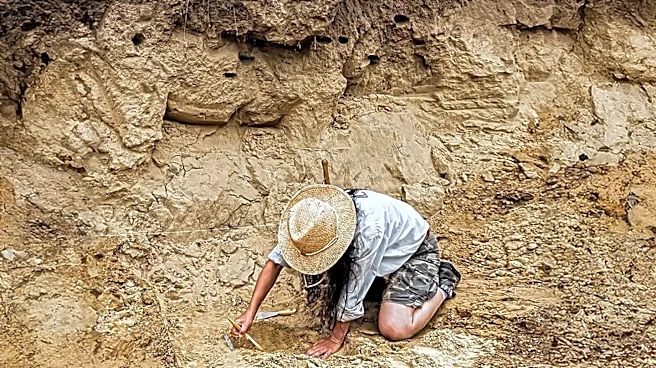
New research published in 'Science' by paleontologists, including lead author Dr. Regan Dunn, Assistant Deputy Director and Associate Curator at La Brea Tar Pits, reveals that Earth's forests experienced widespread decline during the Paleocene-Eocene
Thermal Maximum (PETM) 56 million years ago. This ancient event, characterized by a massive carbon injection into the atmosphere, led to elevated CO2 levels, global warming, and reduced rainfall, causing landscapes to become 'browner.' The study reconstructed ancient forest canopies using fossilized leaf cells, providing a detailed record of vegetation changes. The findings indicate that as conditions changed, plant species shifted, forest canopy cover decreased, erosion intensified, and the terrestrial water cycle was disrupted. The researchers highlight that human activity is currently adding CO2 to the atmosphere at a rate an order of magnitude faster than during the PETM, and modern forests are showing similar signs of decline due to warming temperatures, drought stress, and other human-driven pressures.
Why It's Important?
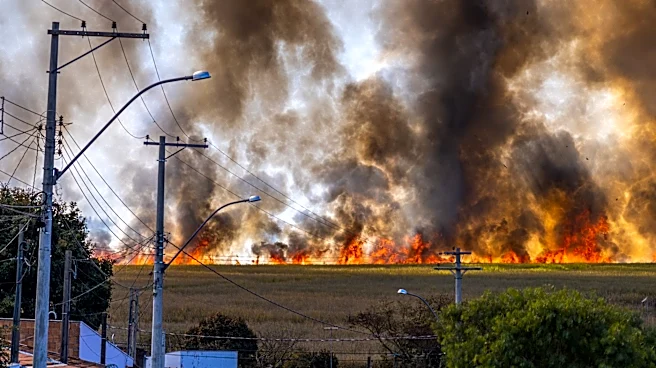
This research offers a critical historical parallel for understanding the potential long-term impacts of current anthropogenic climate change on U.S. and global ecosystems. The decline of forests, which serve as vital carbon sinks, has significant implications for climate regulation. As forests weaken and 'brown,' their capacity to absorb carbon dioxide diminishes, creating a feedback loop that could accelerate global warming. This affects not only environmental stability but also industries reliant on forest resources, such as timber and tourism, and could exacerbate natural disasters like wildfires. The study underscores the urgent need for conservation and restoration efforts, as the loss of these natural defenses could lead to more severe and rapid climate shifts, impacting public policy decisions related to environmental protection and carbon emissions.
What's Next?
The findings suggest that without significant intervention, modern forests could continue to decline, mirroring the widespread browning observed during the PETM. This could lead to intensified carbon release and ecosystem degradation beyond historical precedents, especially given the additional pressures of deforestation, habitat fragmentation, and invasive species. Future steps will likely involve increased focus on protecting and restoring forest ecosystems, both for biodiversity preservation and as a crucial strategy against accelerating climate change. Policymakers and environmental organizations may use this research to advocate for stronger climate policies, reforestation initiatives, and sustainable land management practices to mitigate the adverse effects on forest health and global climate stability.
Beyond the Headlines
The study's implications extend beyond immediate environmental concerns, touching upon the ethical responsibility of current generations to safeguard natural resources for the future. The comparison to the PETM serves as a stark warning, highlighting that Earth has critical thresholds beyond which ecological systems undergo profound and potentially irreversible changes. The research also emphasizes the interconnectedness of climate, ecosystems, and human well-being, suggesting that the decline of forests could trigger broader societal and economic disruptions. It challenges the perception that increased CO2 always 'greens' the Earth, revealing a tipping point where heightened temperatures adversely affect plant life, leading to a 'browning' trend. This shift in understanding could influence public perception and cultural attitudes towards environmental stewardship and the urgency of climate action.