







What's Happening?
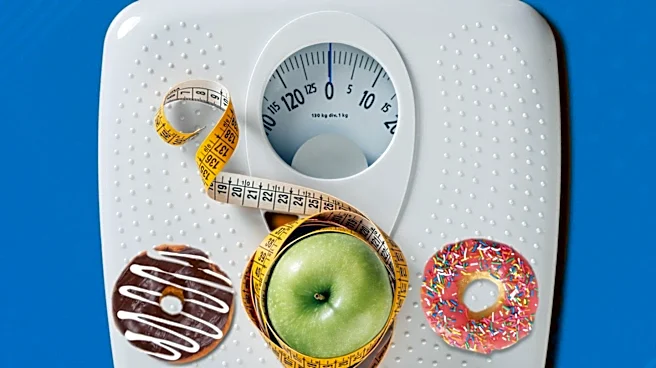
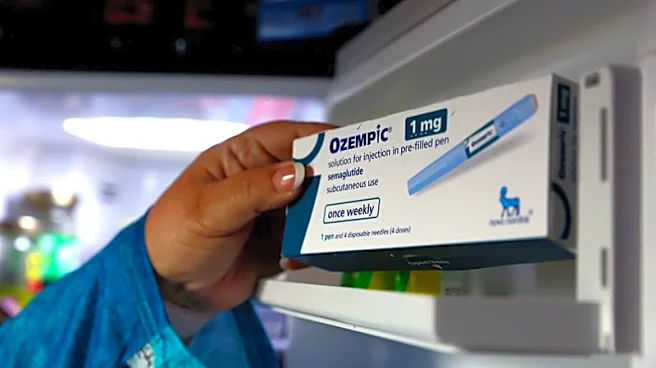
A Gallup survey indicates a significant increase in the use of GLP-1 medications for weight loss among U.S. adults, rising from 3% in 2024 to 11% in 2026. These drugs, originally approved for type 2 diabetes, include popular brands like Ozempic and Wegovy.
The survey also notes a decline in the U.S. obesity rate to 36.4% in 2026, down from 39.9% in 2022. Despite the growth in GLP-1 usage, adoption is limited by cost and insurance coverage issues, with many users opting for compounded versions despite FDA safety concerns.
Why It's Important?
The increased use of GLP-1 medications reflects a growing trend towards pharmaceutical solutions for weight management, which could have significant implications for public health and the pharmaceutical industry. The decline in obesity rates may lead to reduced healthcare costs and improved health outcomes. However, the financial barriers to accessing these medications highlight ongoing challenges in healthcare equity. The shift towards compounded versions of these drugs also raises safety and regulatory concerns that need to be addressed.
What's Next?
The future of GLP-1 medications will likely involve addressing the cost and insurance coverage barriers to increase accessibility. Regulatory bodies may need to enforce stricter guidelines on compounded versions to ensure patient safety. As the market for these drugs expands, further research into their long-term effects and potential applications in other health conditions could emerge. The pharmaceutical industry may also see increased competition and innovation in the weight management sector.