






What's Happening?
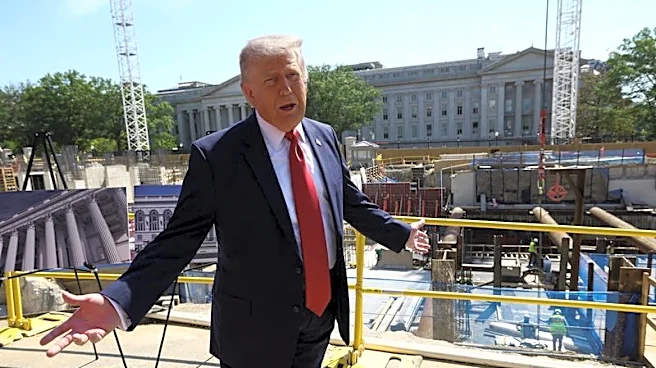
Three months into the conflict with Iran, President Trump is facing significant challenges in achieving his stated objectives. Despite initial military successes, Iran maintains control over the Strait of Hormuz and has resisted nuclear concessions. The
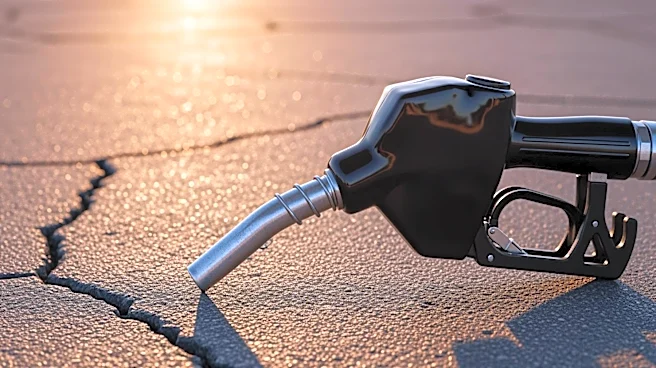
conflict has led to high U.S. gasoline prices and low approval ratings for Trump, who is under pressure ahead of the midterm elections. Analysts suggest that the war, initially intended as a short-term engagement, is becoming a long-term strategic failure. The situation is further complicated by Iran's continued military capabilities and the lack of support from traditional European allies.
Why It's Important?
The ongoing conflict with Iran has significant implications for U.S. foreign policy and President Trump's political standing. The inability to secure a decisive victory or achieve denuclearization could weaken U.S. influence in the region and embolden Iran. Domestically, the war's unpopularity and economic repercussions could impact the upcoming elections and Trump's political future. The situation also highlights the complexities of modern warfare, where military victories do not necessarily translate into strategic success, and underscores the challenges of unilateral military interventions.
What's Next?
As the conflict continues, President Trump faces a critical decision: pursue a potentially flawed diplomatic resolution or escalate militarily. The outcome will likely influence U.S. relations with Gulf allies and impact global oil markets. Trump's handling of the situation could also affect his re-election prospects and the Republican Party's control of Congress. The international community will be watching closely, as the conflict's resolution could set precedents for future U.S. military engagements.