





What's Happening?
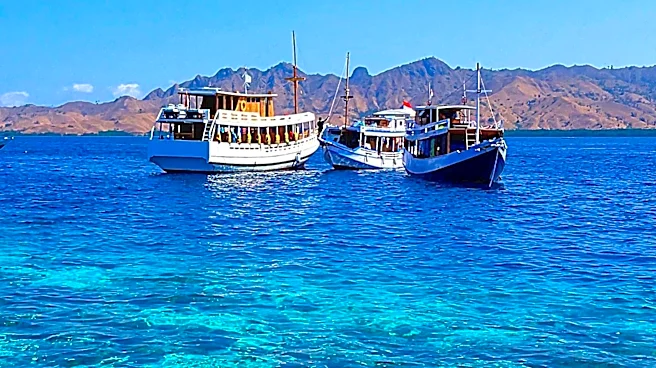
Indonesia is urging stronger regional and global cooperation to combat illegal, unreported, and unregulated (IUU) fishing. Maritime Affairs and Fisheries Minister Sakti Wahyu Trenggono emphasized this stance at the 7th Symposium on Global Maritime Cooperation
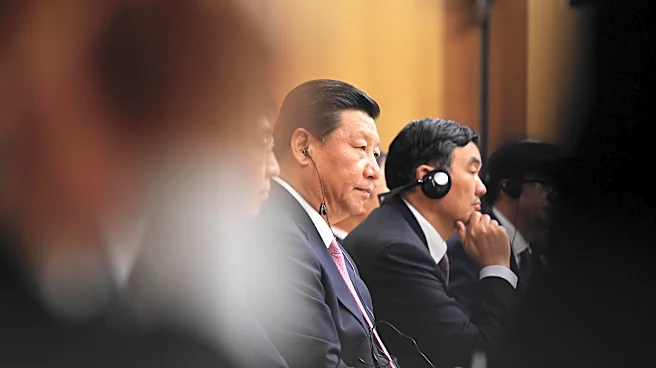
and Ocean Governance in Sanya, Hainan, China, held from November 6-8, 2026. Trenggono highlighted Indonesia's belief that international collaboration is crucial for addressing various global maritime challenges, given its status as the world's largest archipelagic country. The symposium gathered nearly 400 representatives from over 30 countries and regions. In addition to combating IUU fishing, Indonesia advocated for enhanced marine conservation efforts, expanded marine research, and the development of an inclusive and sustainable blue economy. The minister reiterated that the 1982 United Nations Convention on the Law of the Sea (UNCLOS) serves as the primary foundation for international ocean governance. Indonesia also outlined five key blue economy policies, including expanding marine conservation areas to 30% by 2045, implementing quota-based measured fishing, promoting sustainable aquaculture, strengthening coastal area and small island management, and engaging communities in reducing marine plastic waste.
Why It's Important?
Indonesia's call for global cooperation underscores the transnational nature of maritime challenges, particularly IUU fishing, which has significant economic and environmental impacts worldwide. For the U.S., which has its own extensive coastline and maritime interests, such initiatives are vital for maintaining healthy ocean ecosystems and ensuring fair competition in the fishing industry. IUU fishing depletes fish stocks, undermines the livelihoods of legal fishers, and can be linked to other illicit activities. By advocating for stronger international law enforcement and conservation, Indonesia is promoting a framework that benefits all nations with maritime economies. The emphasis on the blue economy and sustainable practices aligns with global efforts to balance economic development with environmental protection, which can influence international trade policies and investment in sustainable marine industries. Furthermore, Indonesia's support for the Biodiversity Beyond National Jurisdiction (BBNJ) Agreement highlights the growing international consensus on protecting marine biodiversity in areas outside national jurisdiction, an area of increasing concern for global environmental policy.
What's Next?
Indonesia will continue to advocate for the effective, inclusive, and equitable implementation of the Biodiversity Beyond National Jurisdiction (BBNJ) Agreement, having ratified it on June 10, 2025. This commitment suggests ongoing diplomatic efforts to encourage other nations to ratify and implement the agreement, thereby strengthening marine biodiversity protection globally. The call for all countries to strengthen cooperation, uphold international law, and prioritize science-based policies indicates a push for more coordinated international action on ocean governance. Future discussions at international forums are likely to focus on practical mechanisms for implementing these goals, including joint patrols, data sharing, and capacity building for developing nations. The outlined five key blue economy policies will guide Indonesia's domestic and international maritime agenda, potentially serving as a model or influencing similar policies in other countries. The ongoing dialogue at symposia like the one in Sanya will likely lead to further bilateral and multilateral agreements aimed at achieving healthier, more productive, and sustainable oceans.
Beyond the Headlines
The broader implications of Indonesia's advocacy extend to the evolving landscape of international maritime law and environmental governance. The emphasis on UNCLOS as the foundation for ocean governance reinforces its enduring importance in an era of increasing geopolitical competition and resource scarcity. Indonesia's proactive stance, particularly as a large archipelagic nation, positions it as a significant voice in shaping future maritime policies. This leadership could influence how international bodies address emerging challenges such as deep-sea mining, marine genetic resources, and the impacts of climate change on ocean ecosystems. The integration of community involvement in reducing marine plastic waste highlights a growing recognition of the importance of local stakeholders in global environmental solutions. This holistic approach, combining international legal frameworks with local engagement and scientific policy, suggests a more comprehensive strategy for ocean sustainability that could set precedents for other global environmental challenges.