

What's Happening?
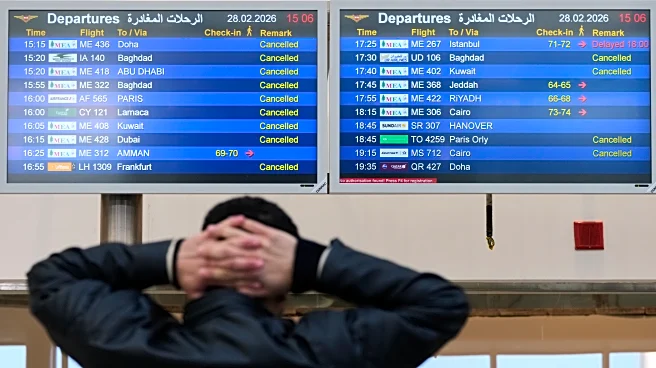
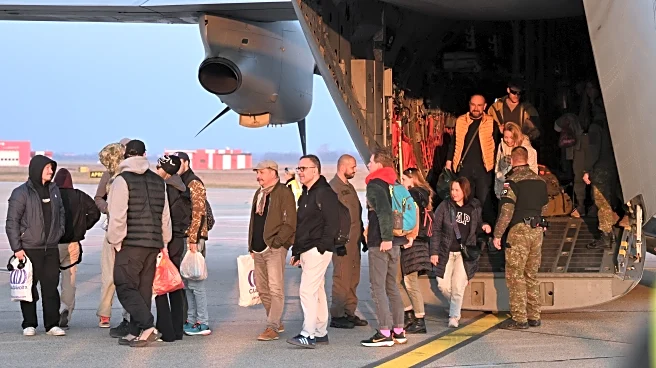
Amid escalating tensions and conflict with Iran, several Americans, including residents from New Jersey, find themselves stranded in the Middle East. The situation has left many scrambling to find ways to return home safely. The conflict has disrupted
travel and heightened security concerns across the region, complicating efforts for those trying to leave. CBS News New York's Lisa Rozner reports on the challenges faced by these individuals as they navigate the complexities of international travel during a time of heightened geopolitical tension.
Why It's Important?
The situation underscores the vulnerability of international travelers during geopolitical conflicts. For the affected New Jersey residents, the conflict poses immediate safety risks and logistical challenges in securing flights home. This incident highlights the broader implications of international conflicts on civilian populations, particularly those abroad. The U.S. government may face pressure to facilitate the safe return of its citizens, which could involve diplomatic negotiations or emergency evacuation efforts. The situation also raises questions about the preparedness of travelers and the support systems in place for Americans abroad during crises.
What's Next?
Efforts to assist stranded Americans are likely to intensify, with potential involvement from U.S. embassies and consulates in the region. The U.S. government may issue travel advisories or coordinate with airlines to arrange special flights for evacuation. For those affected, staying informed and in contact with U.S. authorities will be crucial. The ongoing conflict may lead to further disruptions, and travelers should prepare for potential delays and changes in travel plans. The situation may also prompt a reevaluation of travel policies and emergency response strategies for Americans abroad.