
What's Happening?
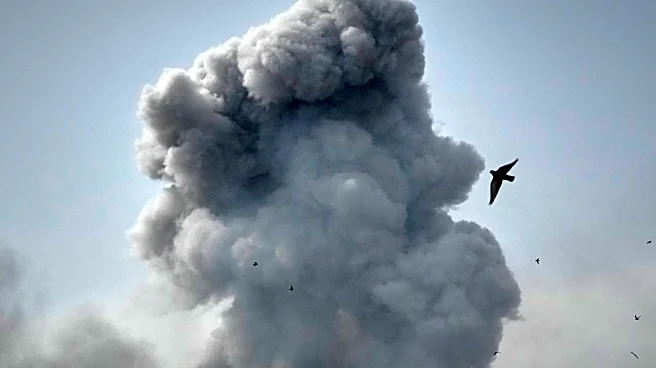
Gas prices in the United States have surged to their highest level in 11 months, reaching an average of $3.25 per gallon. This increase is attributed to the ongoing conflict in the Middle East, particularly the closure of the Strait of Hormuz, a critical
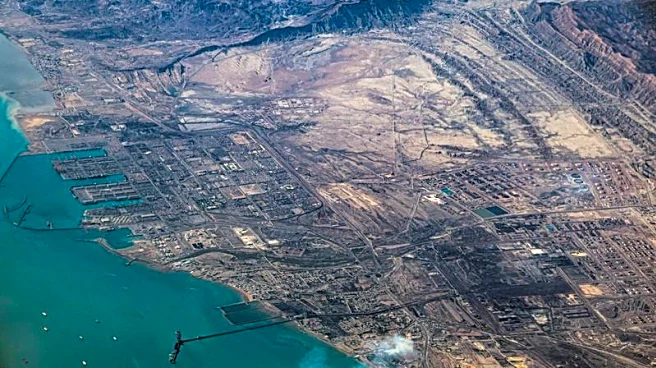
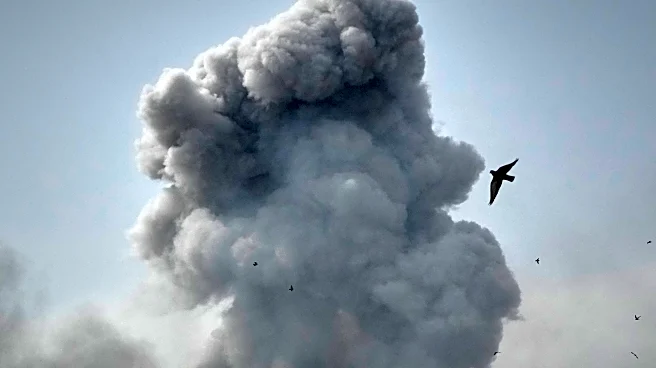
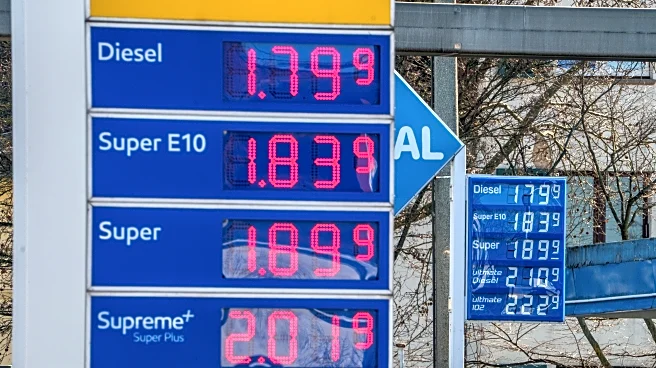
shipping lane for global oil supplies. Iran's retaliatory attacks on oil facilities in neighboring Gulf states, including the United Arab Emirates, Qatar, Kuwait, and Saudi Arabia, have exacerbated the situation. The recent spike in gas prices is the largest three-day rise since March 2022, following sanctions on Russia. Diesel prices have also seen a significant increase, impacting transportation and potentially leading to higher consumer prices.
Why It's Important?
The rise in gas and diesel prices has broad implications for the U.S. economy. Higher fuel costs can lead to increased transportation expenses, affecting the cost of goods and services across the country. This could result in inflationary pressures as businesses pass on these costs to consumers. Additionally, sectors reliant on diesel, such as agriculture and logistics, may face increased operational costs. The situation underscores the vulnerability of global supply chains to geopolitical tensions, particularly in regions critical to energy production and distribution.
What's Next?
If the conflict in the Middle East continues to disrupt oil supplies, further increases in fuel prices are likely. This could prompt the U.S. government to consider measures to stabilize the market, such as releasing strategic oil reserves or seeking alternative energy sources. The situation may also lead to increased diplomatic efforts to de-escalate tensions in the region. Businesses and consumers will need to adapt to the changing economic landscape, potentially exploring energy efficiency measures or alternative fuels.