




What's Happening?
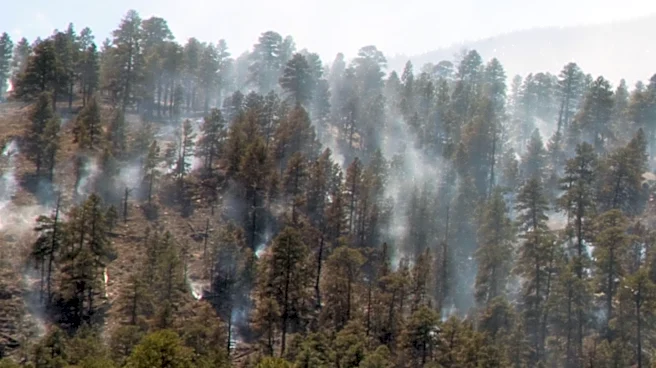
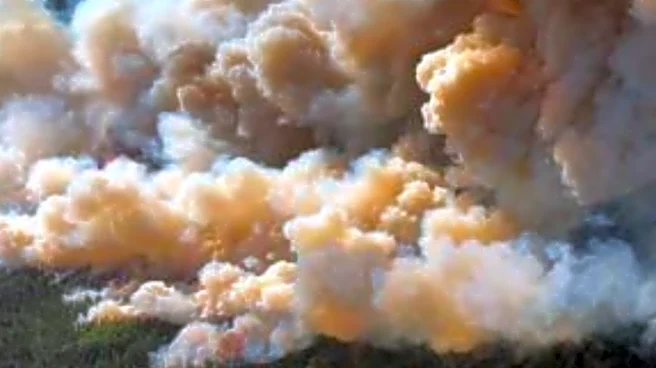
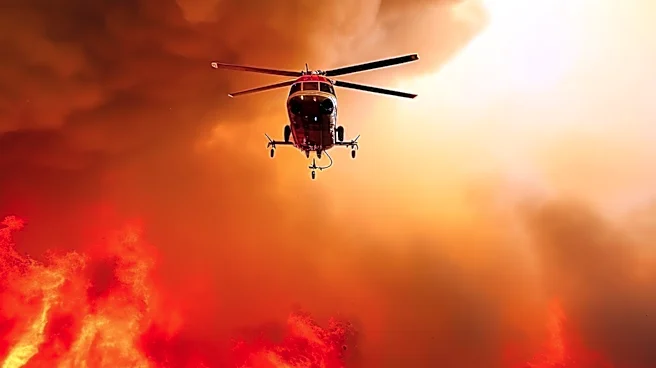
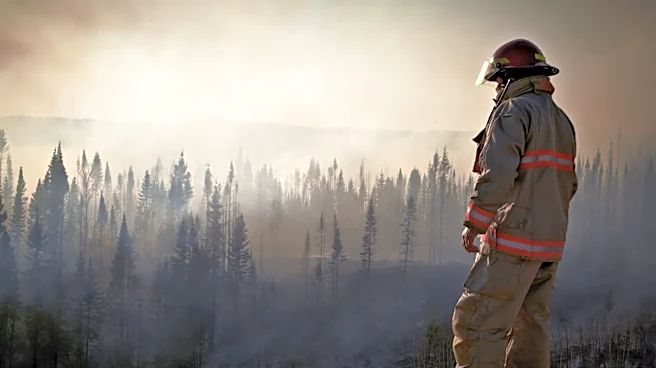
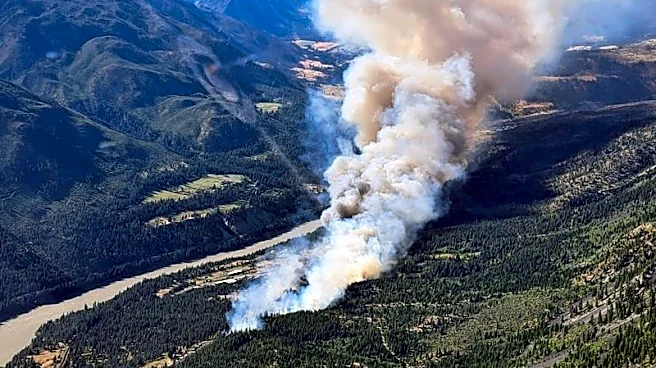
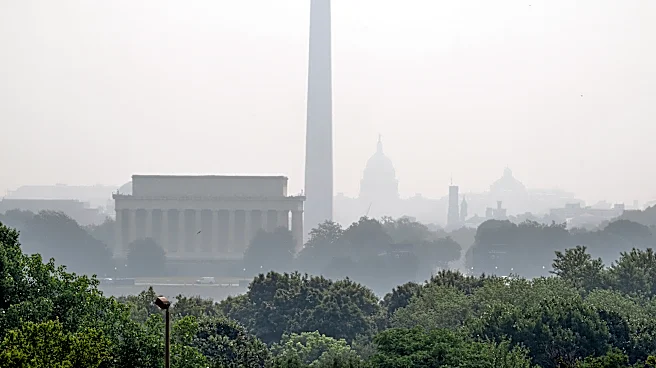
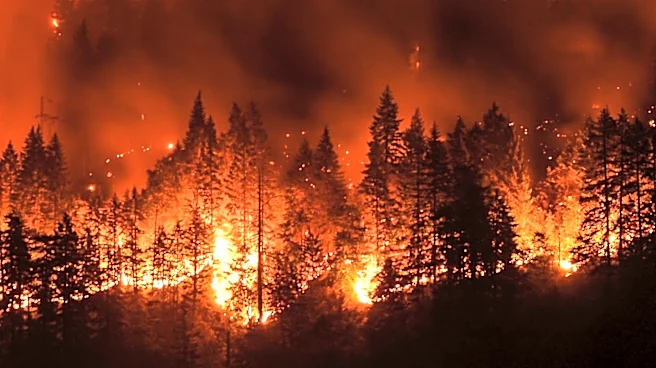
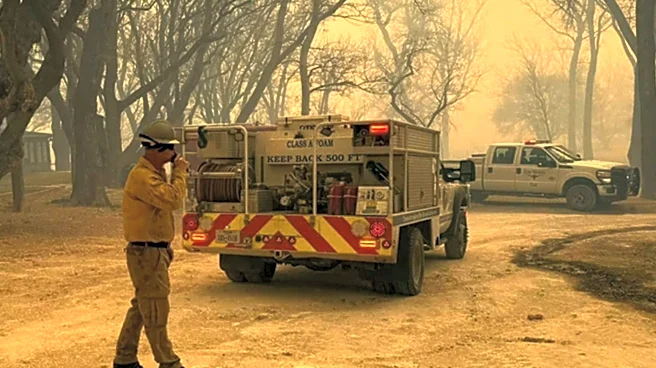
Smoke from Canadian wildfires is spreading across the Great Lakes region into New England and as far south as Maryland, resulting in unhealthy and hazardous air quality levels. The wildfires, fueled by extreme heat and dry conditions in Ontario and northern
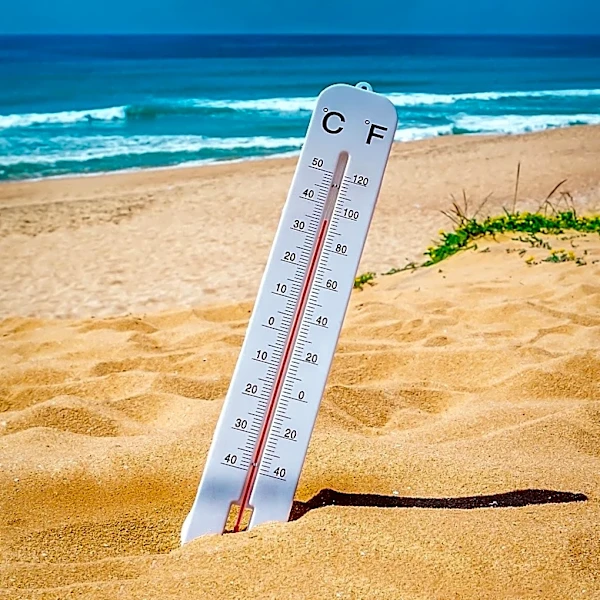
Minnesota, have led to more than 800 active fires in Canada. The smoke is affecting millions of people in northeastern U.S. cities, including Philadelphia, New York City, and Baltimore. The situation is exacerbated by ongoing high temperatures, with relief not expected for several days.
Why It's Important?
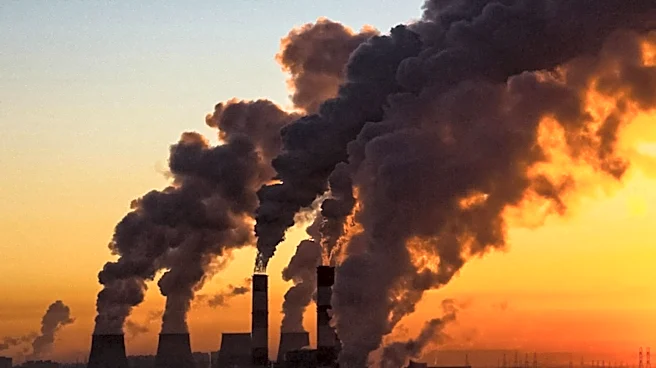
The spread of wildfire smoke into the U.S. highlights the cross-border impact of environmental issues and the growing frequency of such events due to climate change. The hazardous air quality poses significant health risks, particularly for vulnerable populations, and underscores the need for robust public health responses. The situation also raises concerns about the long-term implications of climate change on air quality and public health, as well as the need for international cooperation in addressing environmental challenges.
What's Next?
As the wildfires continue to burn, air quality is expected to remain poor in affected areas, prompting health advisories and potential disruptions to daily life. Authorities may implement measures to protect public health, such as advising residents to stay indoors and use air purifiers. The ongoing situation may also lead to increased calls for climate action and policy changes to address the root causes of such environmental events.