





What's Happening?
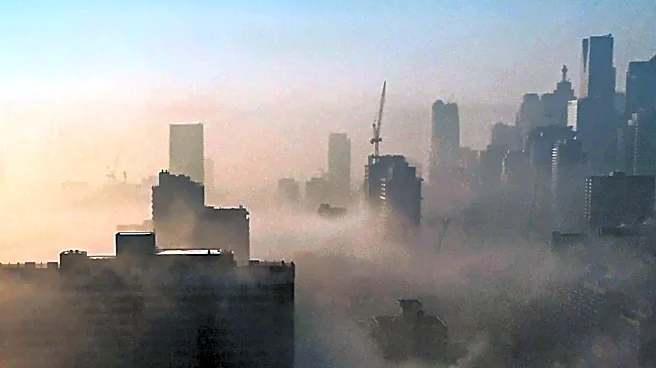
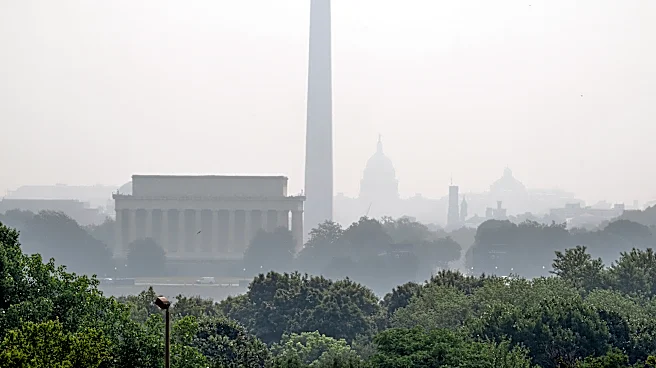
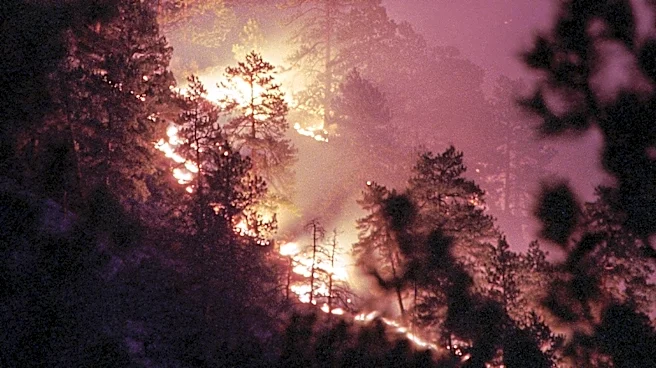
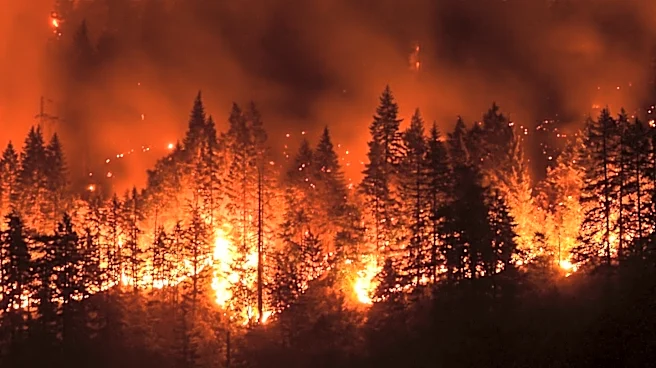
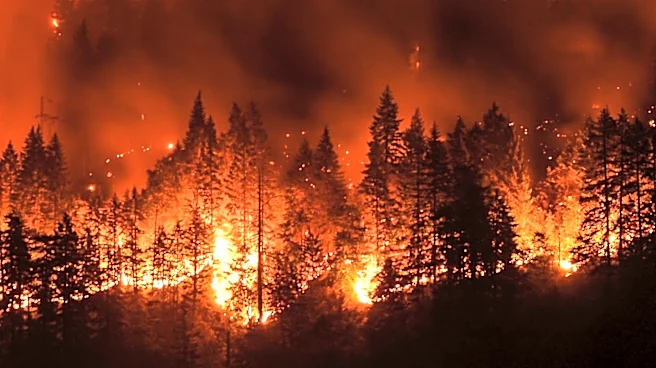
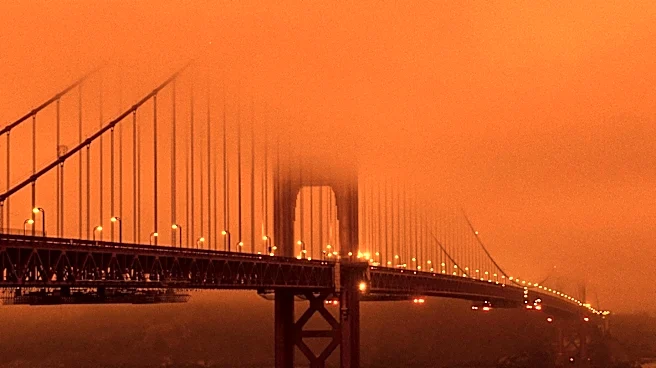
Smoke from wildfires in Canada and the western United States has led to poor air quality across several U.S. states. The National Interagency Fire Center reported over 40,560 wildfires in the U.S. this year, burning more than 3.8 million acres. The smoke,
combined with summer ozone pollution, has resulted in air quality alerts in states including Michigan, Wisconsin, Minnesota, and others. The Environmental Protection Agency (EPA) has noted an increase in wildfire smoke concentrations, affecting a larger portion of the country. The smoke contains fine particulate matter (PM2.5), which poses health risks, especially to vulnerable groups such as children and the elderly.
Why It's Important?
The increase in wildfire smoke and its impact on air quality is a significant public health concern. Exposure to PM2.5 can lead to respiratory and cardiovascular issues, with long-term exposure linked to increased mortality rates. The economic impact is also substantial, with potential damages reaching billions annually. The situation highlights the need for effective wildfire management and air quality monitoring to protect public health. The widespread nature of the smoke underscores the interconnectedness of environmental issues across borders, as smoke from Canadian fires affects U.S. states.
What's Next?
As wildfires continue to burn, air quality issues are expected to persist. Authorities may need to implement more stringent air quality monitoring and public health advisories. There could be increased pressure on governments to address the root causes of wildfires, such as climate change and land management practices. Public health campaigns may focus on educating the public about the risks of smoke exposure and ways to mitigate them, such as staying indoors and using air purifiers.