



What's Happening?
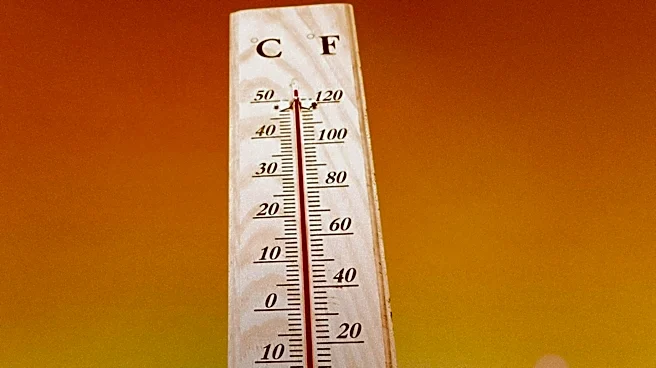
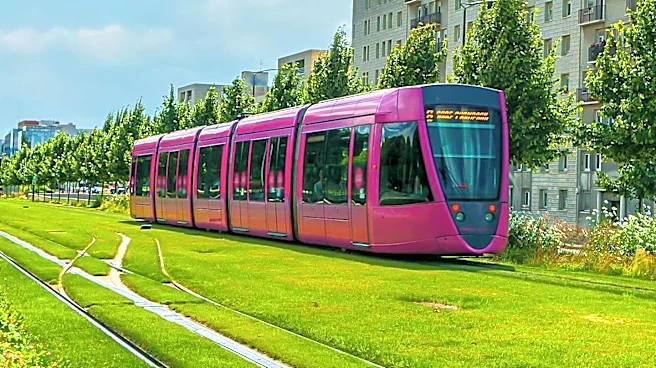
South Yorkshire Mayor Oliver Coppard has announced that the city's Supertram network is undergoing a significant renewal to enable it to withstand temperatures up to 50°C. This upgrade is a direct response to escalating climate change concerns and recent
heatwaves that have impacted the region. Currently, the Supertram network is designed to operate in temperatures up to 34°C, and exceeding this threshold necessitates halting services. Coppard highlighted that the ongoing £500 million renewal project for the tram network is specifically incorporating the capacity to endure much hotter conditions in the future. He emphasized the need for infrastructure to adapt to worsening climate breakdown, citing personal experiences during heatwaves where emergency sirens were activated due to wildfire risks. The mayor's statements were made during a BBC Radio Sheffield phone-in program, 'Call Coppard,' where he addressed various local issues.
Why It's Important?
This infrastructure upgrade is important as it reflects a proactive approach to climate change adaptation within urban public transportation systems. By investing £500 million to future-proof the Supertram network, South Yorkshire is acknowledging the long-term impacts of rising global temperatures on essential services. The ability of public transport to operate reliably in extreme heat is crucial for maintaining economic activity, ensuring access to employment and services, and supporting community resilience. Without such adaptations, cities risk significant disruptions, economic losses, and potential public safety issues during increasingly frequent and intense heatwaves. This initiative could serve as a model for other urban centers globally that are grappling with the challenges of climate change and the need to protect critical infrastructure from environmental stressors. It underscores a shift towards integrating climate resilience into urban planning and development.
What's Next?
The ongoing renewal of the Supertram network will continue with a focus on integrating technologies and materials capable of withstanding 50°C temperatures. This project is part of a broader strategy to adapt to climate change, which Coppard suggests will also involve implementing air conditioning in homes, installing solar panels on new constructions, and exploring other new technologies. The mayor's public discussions indicate a continued emphasis on climate resilience in regional planning. Stakeholders, including local government, public transport operators, and residents, will likely monitor the progress of these upgrades and their effectiveness during future heat events. The success of this project could influence further investment in climate-resilient infrastructure across other sectors in South Yorkshire and potentially inspire similar initiatives in other regions facing comparable climate challenges.
Beyond the Headlines
The decision to upgrade the Supertram network to withstand 50°C temperatures highlights a deeper societal shift in acknowledging and preparing for the tangible effects of climate change. It moves beyond theoretical discussions to practical, large-scale engineering solutions. This initiative also brings to light the economic implications of climate change, as significant financial investment is required to adapt existing infrastructure. Furthermore, it underscores the role of local leadership in driving climate action, even when national policies might be perceived as insufficient or slow. The project implicitly raises questions about the long-term sustainability of urban living in increasingly hot climates and the ethical responsibility of governments to protect citizens and their livelihoods from environmental threats. It also sets a precedent for how public services must evolve to remain functional and reliable in a rapidly changing global climate.