




What's Happening?
President Donald Trump has decided to delay a planned military strike on Iran following appeals from leaders of Saudi Arabia, Qatar, and the United Arab Emirates. These Gulf allies have urged the United States to allow more time for diplomatic efforts
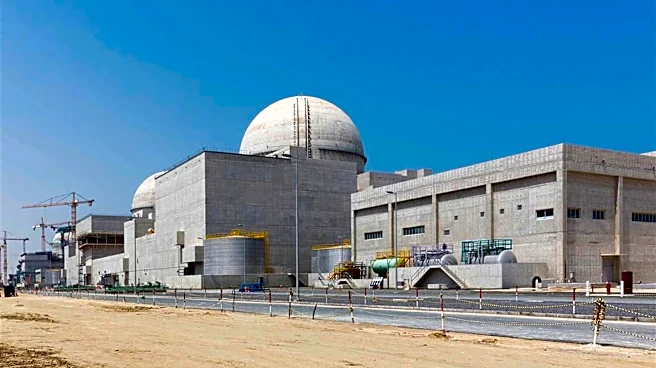
aimed at resolving the ongoing conflict and stabilizing regional energy markets. The conflict has significantly disrupted global oil and LNG flows, contributing to a sharp rise in crude prices. Despite the diplomatic push, negotiations between Washington and Tehran remain stalled. The White House rejected a proposal mediated by Pakistan due to insufficient commitments from Iran regarding its enriched uranium stockpile and future enrichment activities. Meanwhile, Iran continues to demand sanctions relief, access to frozen assets, and compensation related to the conflict. The situation is further complicated by security concerns, as the UAE reported a drone strike near the Barakah nuclear power plant, and Saudi Arabia intercepted drones entering its airspace from Iraq.
Why It's Important?
The decision to delay military action against Iran is significant as it highlights the complex interplay between diplomacy and military strategy in the region. The ongoing conflict has already led to disruptions in the global energy market, with the Strait of Hormuz—a critical chokepoint for oil and LNG trade—being heavily impacted. The delay in military action may provide a window for diplomatic solutions, potentially easing tensions and stabilizing oil prices. However, the continued standoff and security threats underscore the fragility of the situation. The U.S. Treasury's extension of a sanctions waiver for Russian oil sales indicates the broader economic pressures and supply concerns facing the global market. The outcome of these diplomatic efforts could have far-reaching implications for international relations and energy security.
What's Next?
As diplomatic efforts continue, the focus will likely remain on finding a resolution that addresses both the nuclear concerns and economic sanctions. The U.S. and its allies may need to consider additional diplomatic channels or incentives to bring Iran to the negotiating table. Meanwhile, regional security will remain a priority, with countries like the UAE and Saudi Arabia on high alert for further drone attacks. The international community will be closely watching for any shifts in U.S. policy or military posture, as well as Iran's response to ongoing diplomatic overtures. The potential for further escalation remains if negotiations fail to yield a satisfactory outcome for all parties involved.