






What's Happening?
The Greater Edgemont Community Coalition (GECC) has initiated the '200 Yards' program, a five-year plan to establish 200 new gardens across West Dayton. This community-led effort aims to enhance access to fresh, healthy food for residents. The initiative
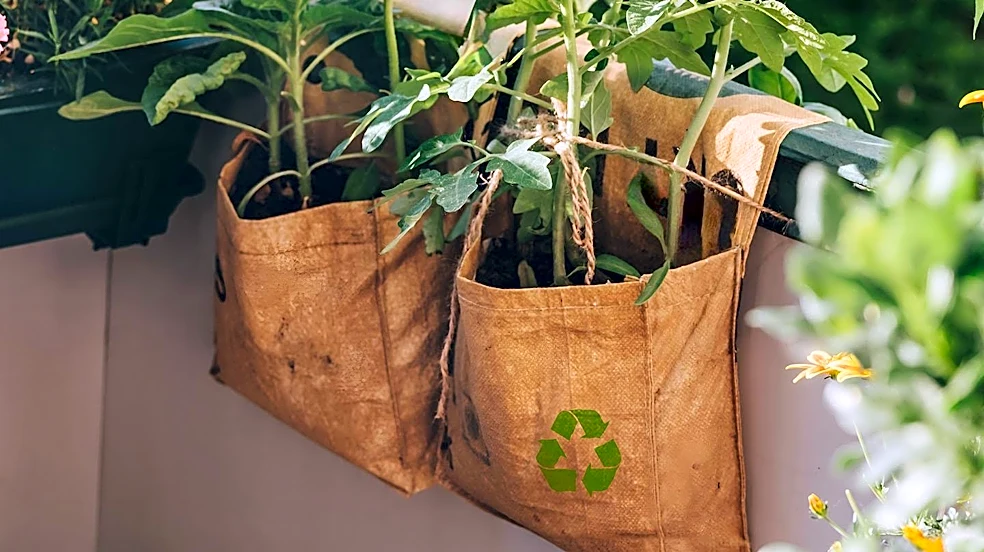
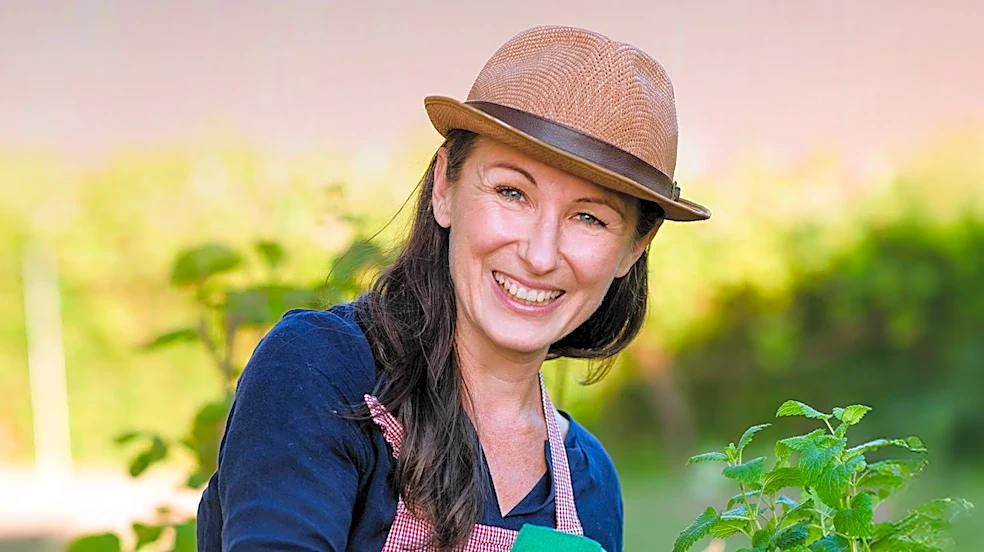
promotes various gardening methods, including traditional backyard gardens, container gardening, and windowsill herb growing, to accommodate different living situations and resource levels. According to Moore-Denis, a representative of the coalition, the program addresses significant food insecurity in the area, where many residents face difficult choices between purchasing medicine and food. The GECC's broader programming has already engaged nearly 500 participants, with a focus on practical skills development and fostering self-sufficiency in food production. The coalition's current site features vegetable patches, a pollinator garden, and facilities for teaching skills like popcorn cultivation, despite ongoing efforts to repair and improve the infrastructure.
Why It's Important?
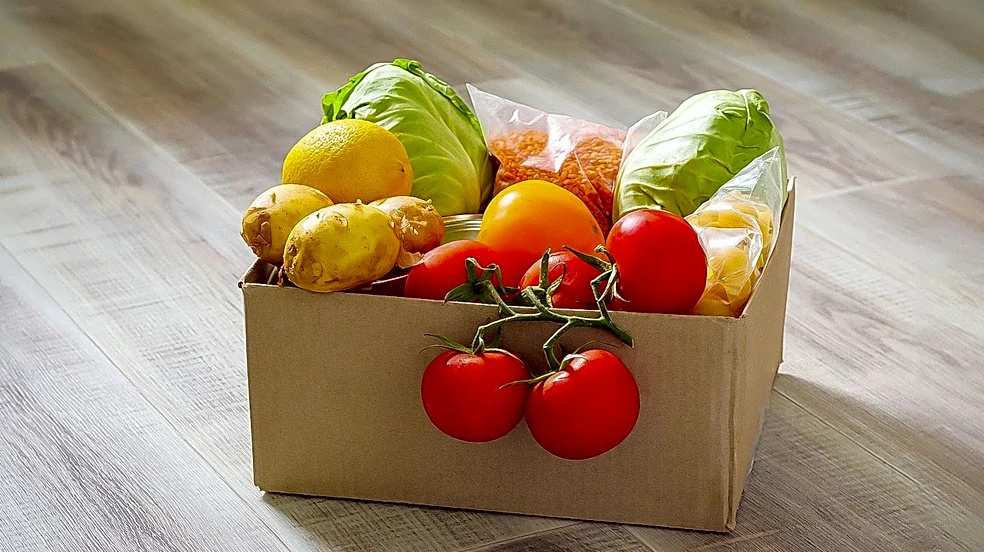
This initiative is crucial for addressing food insecurity, a pressing issue in many U.S. communities. By empowering residents to grow their own food, the '200 Yards' program directly tackles the problem of limited access to affordable, nutritious options. The emphasis on practical skills development not only provides immediate benefits in terms of food supply but also fosters long-term resilience and self-reliance within the community. For areas like West Dayton, where food costs can be prohibitive and access to fresh produce scarce, such programs can significantly improve public health outcomes and reduce financial strain on households. The project also highlights the importance of community-led solutions in tackling systemic issues, demonstrating how local organizations can mobilize resources and knowledge to create tangible positive change.
What's Next?
Over the next five years, the GECC plans to cultivate 200 new gardens, expanding its reach and impact within West Dayton. The coalition will continue to develop its existing site, addressing infrastructure needs like greenhouse repairs and repurposing materials to create prototype greenhouses for seniors. The program is expected to attract more participants as it grows, further disseminating gardening knowledge and skills throughout the community. Future efforts will likely focus on sustaining these gardens, providing ongoing support and education to residents, and potentially expanding the types of crops grown and skills taught. The success of this initiative could serve as a model for other communities facing similar challenges, demonstrating the effectiveness of localized, hands-on approaches to food security.
Beyond the Headlines
The '200 Yards' initiative transcends simple food provision; it represents a broader movement towards community empowerment and environmental stewardship. By encouraging gardening, the program fosters a deeper connection between residents and their food sources, potentially leading to healthier eating habits and a greater appreciation for sustainable practices. The creation of pollinator gardens and the use of worm castings also point to an underlying commitment to ecological health and biodiversity. Furthermore, the initiative addresses the ethical dimension of food access, highlighting the societal responsibility to ensure that all individuals have the means to feed themselves and their families. This program could inspire a cultural shift towards local food systems and community-based resilience, reducing dependence on external food supply chains and strengthening neighborhood bonds.