
What's Happening?
A new surgical facility has opened in Glen Rock, New Jersey, combining high-end hospitality with advanced reconstructive and cosmetic surgery. The Institute for Advanced Reconstruction and The Plastic
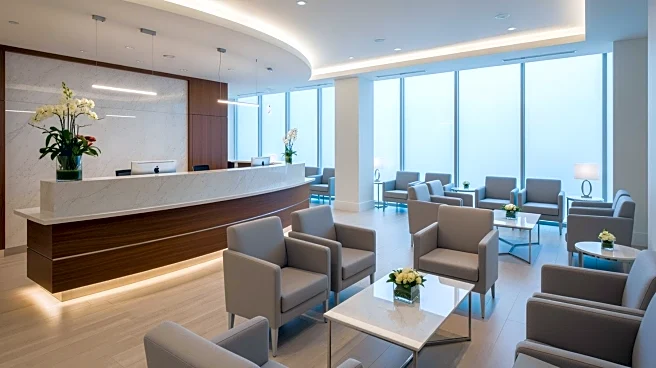
Surgery Center have launched a 6,800-square-foot center designed to serve as an international destination for specialized surgical care. The facility offers a range of procedures, including lymphedema surgery, breast reconstruction, deep plane face lifts, and facial reanimation. It also features diagnostic technology and wellness services typically found at major academic medical centers. The interior design, managed by Pavarini Design of New York City, includes refined millwork and a calming color palette. Amenities such as warmed spa robes, companion lounges, and pre- and post-procedure suites are provided to enhance patient comfort and privacy.
Why It's Important?
The opening of this facility represents a significant development in the healthcare industry, particularly in the realm of elective and reconstructive surgery. By offering a combination of advanced medical procedures and luxury amenities, the center aims to attract patients from around the world, potentially boosting medical tourism in the region. This approach could set a new standard for patient care, emphasizing not only medical outcomes but also the overall patient experience. The facility's focus on privacy and comfort may appeal to patients seeking a more personalized and less clinical environment for their surgical needs.
What's Next?
The center is expected to draw patients both domestically and internationally, potentially influencing other healthcare providers to adopt similar models that integrate hospitality with medical care. As the facility gains recognition, it may lead to increased competition among surgical centers to offer enhanced patient experiences. Additionally, the success of this model could encourage further investment in healthcare infrastructure that prioritizes patient comfort and privacy.
Beyond the Headlines
The integration of hospitality into healthcare raises questions about accessibility and affordability. While the facility offers a luxurious experience, it may not be accessible to all patients, particularly those without comprehensive insurance coverage. This development highlights the growing trend of healthcare services catering to affluent patients, which could widen the gap in healthcare access. Furthermore, the emphasis on patient experience may shift focus from traditional healthcare metrics, such as clinical outcomes and cost-effectiveness, to more subjective measures of patient satisfaction.