





What's Happening?
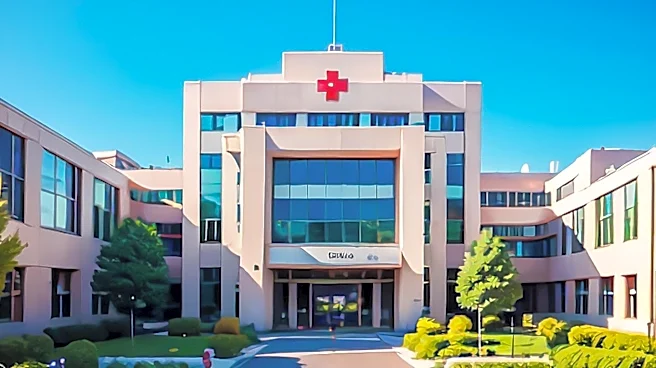
UHealth—University of Miami Health System has launched a new food and beverage initiative aimed at integrating nutrition directly into cancer treatment. This initiative, which began its first phase on June 1 across four Comprehensive Treatment Unit (CTU)
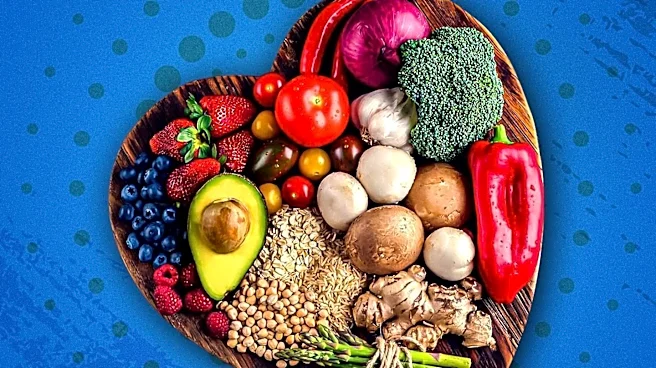
locations, seeks to enhance patient recovery and overall health by treating food as a core component of care delivery. The program involves a 25% to 30% reduction in foods and beverages high in added sugars and processed deli meats, replaced with healthier options such as vegetables, fruits, lean proteins, and whole grains. This shift aligns with growing research emphasizing the importance of a healthy lifestyle in cancer care and survivorship. The initiative is set to expand to all satellite locations by fall 2026, with full implementation anticipated by early 2027. Jessica MacIntyre, D.N.P., M.B.A., APRN, who leads clinical operations for Sylvester Survivorship and Supportive Care Institute, highlighted that this translates scientific findings into practical improvements for patient health and experience.
Why It's Important?
This initiative by UHealth signifies a significant shift in how healthcare institutions approach patient care, particularly in oncology. By formally integrating nutrition into treatment protocols, UHealth is acknowledging the profound impact diet has on patient recovery, symptom management, and long-term survivorship. This move could set a precedent for other healthcare systems across the U.S., potentially leading to broader adoption of nutrition-based care models. For patients, this means access to more nourishing food options during a critical time, which can help maintain strength, stabilize energy levels, and mitigate common side effects of treatment like fatigue and nausea. Economically, a healthier patient population could lead to reduced readmission rates and improved treatment efficacy, potentially lowering overall healthcare costs. Furthermore, this approach empowers patients with education on healthy eating, fostering habits that extend beyond their treatment period, thereby contributing to better public health outcomes.
What's Next?
The UHealth initiative plans to expand its nutrition-focused food and beverage program to all satellite locations by fall 2026, with full implementation expected in early 2027. This phased rollout suggests a careful and deliberate integration process, likely involving ongoing patient feedback and adjustments. Future steps will also include dedicated food service attendants at key sites to improve patient experience and operational efficiency. Additionally, UHealth is committed to integrating a comprehensive nutrition curriculum into the University of Miami Miller School of Medicine, ensuring that future medical students are equipped to address nutrition as a fundamental aspect of patient care. This educational component indicates a long-term vision to embed nutrition science into medical practice, potentially influencing how healthcare professionals are trained nationwide.
Beyond the Headlines
The UHealth initiative extends beyond simply offering healthier food; it represents a deeper philosophical shift in medical practice, moving nutrition from a peripheral concern to a central pillar of healing. This approach challenges the traditional view of medicine, which often prioritizes pharmacological and procedural interventions over lifestyle factors. By emphasizing the 'science of eating well,' UHealth is highlighting the ethical responsibility of healthcare providers to consider all aspects of a patient's well-being, including their diet. This could lead to a broader re-evaluation of hospital food services across the country, transforming them from mere sustenance providers to active therapeutic agents. The long-term implications include a potential cultural shift in how both patients and medical professionals perceive the role of food in health and disease, fostering a more holistic and preventive approach to care.