







What's Happening?
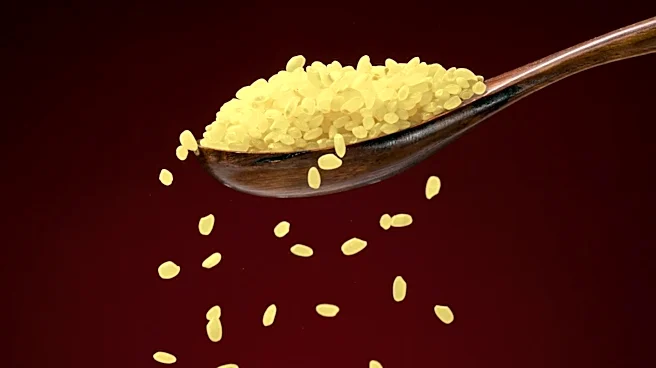
The Grain Foods Research Institute (GFRI) has released a study highlighting the potential risks of removing enrichment from refined grain foods in the United States. The study, titled 'Modeling the Contribution of Enrichment and Fortification to B Vitamin
and Iron Intake in the US Population,' emphasizes that enriched grain foods are significant contributors to the intake of essential nutrients such as B vitamins and iron. The research indicates that without enrichment, the contribution of these nutrients from baked goods would drastically decrease, potentially leading to increased nutrient inadequacy, particularly among vulnerable populations. Historically, the enrichment of refined grains has played a crucial role in preventing nutrient deficiency diseases like pellagra, which caused significant mortality in the early 20th century. The study argues that enriched grains are often unfairly grouped with unhealthy dietary patterns in epidemiological studies, obscuring their positive health contributions.
Why It's Important?
The findings of the GFRI study are significant as they underscore the importance of enriched grains in maintaining nutrient adequacy in the American diet. The potential removal of enrichment could lead to a resurgence of nutrient deficiency diseases, impacting public health negatively. Enriched grains provide a substantial portion of daily nutrient needs, particularly for B vitamins and iron, which are critical for various bodily functions, including red blood cell formation and cognitive health. The study also highlights the cultural and dietary significance of refined grains, which are integral to many communities' food traditions. The potential reduction in nutrient intake could disproportionately affect vulnerable groups, exacerbating existing health disparities.
What's Next?
The study suggests a need for public health policies to continue supporting the enrichment of refined grains to prevent nutrient deficiencies. It also calls for a reevaluation of how refined grains are categorized in dietary studies to better reflect their health benefits. Policymakers and health organizations may need to consider these findings when developing dietary guidelines and public health strategies. Additionally, there may be a push for more public education on the benefits of enriched grains to counteract misinformation and stigma associated with refined grain consumption.