

What's Happening?
A Russian disinformation campaign, identified as Matryoshka or Operation Overload, is actively targeting the upcoming U.S. midterm elections by disseminating deepfake videos on social media. These videos feature voice-cloned versions of Hollywood actors,
including Alyson Hannigan, Emma Caulfield, Sarah Jessica Parker, Ed Begley Jr., and Eric Roberts, making fabricated statements critical of the Democratic Party. The clips often layer altered audio over stolen footage, such as a 2023 Gucci campaign featuring Julia Roberts or personalized videos from Cameo. The campaign also misuses CNN's logo to lend credibility to the fabricated content. Actors involved have expressed feeling 'violated' and have disavowed the statements attributed to them, confirming they do not represent their beliefs. Disinformation researchers from Clemson University and the Institute for Strategic Dialogue have linked these deepfakes to known Russian influence tactics, noting similarities to past campaigns targeting elections in Europe.
Why It's Important?
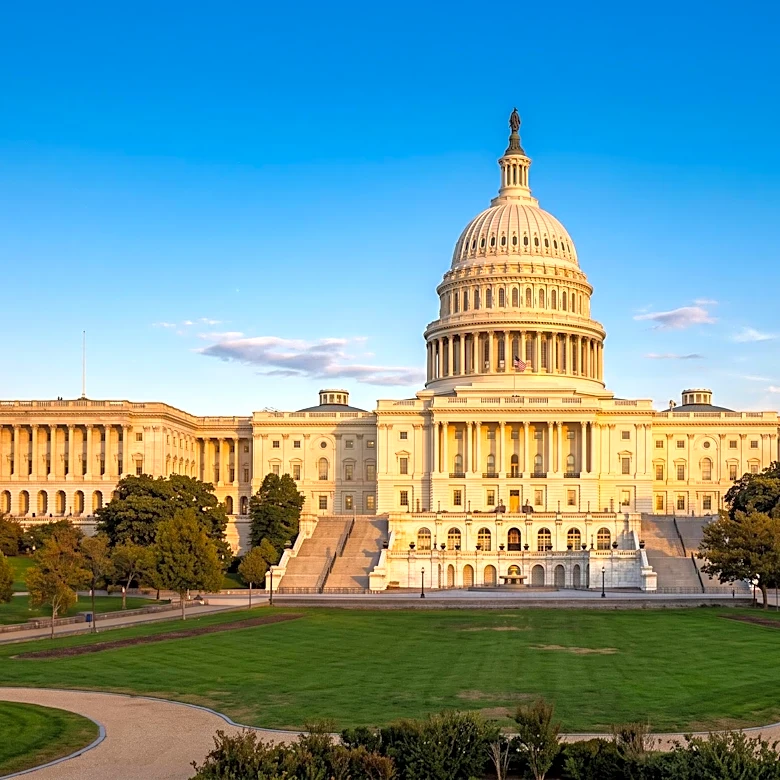
This disinformation campaign poses a significant threat to the integrity of the U.S. midterm elections by attempting to manipulate public opinion and sow discord. The use of deepfake technology and the impersonation of well-known public figures can erode trust in media and political discourse, making it difficult for voters to distinguish between authentic and fabricated information. The targeting of specific political parties and issues could influence election outcomes, potentially shifting the balance of power in the U.S. Congress. The campaign's tactics, including the unauthorized use of news network branding, undermine journalistic credibility and contribute to a climate of misinformation. The repeated nature of these Russian influence operations since 2016 highlights an ongoing challenge to democratic processes and national security, requiring robust countermeasures from social media platforms and government agencies.
What's Next?
Social media platforms like X, Bluesky, and TikTok have begun removing some of the deepfake posts, indicating ongoing efforts to combat the spread of this disinformation. However, experts anticipate the campaign to intensify as the November elections approach, with Russia likely to continue targeting specific U.S. races and issues. Disinformation researchers will continue to monitor and expose these tactics, as evidenced by Antibot4navalny's identification of additional fabricated CNN video reports smearing Democratic candidates like Georgia Senator Jon Ossoff and Texas Senate hopeful James Talarico. The campaign's evolution may include further attempts to discredit those who debunk their content, as seen with the fabricated reports targeting journalist Brandy Zadrozny. Law enforcement and intelligence agencies will likely remain vigilant in tracking and mitigating foreign interference in U.S. elections, while public awareness campaigns may be necessary to educate voters on identifying deepfake content.
Beyond the Headlines
The emergence of sophisticated deepfake technology in political disinformation campaigns raises profound ethical and legal questions regarding the manipulation of public perception and the protection of individual likenesses. The ease with which voices and images can be altered and disseminated challenges existing frameworks for media authenticity and intellectual property. This trend could lead to a 'post-truth' environment where verifiable facts are increasingly difficult to ascertain, potentially leading to widespread distrust in institutions and public figures. The use of celebrity images without consent also highlights the vulnerability of individuals to digital identity theft and the need for stronger legal protections against such exploitation. Furthermore, the persistent nature of foreign interference in U.S. elections underscores the broader geopolitical struggle for influence and the weaponization of information in the digital age, necessitating a reevaluation of national cybersecurity strategies and international cooperation in combating disinformation.