








What's Happening?
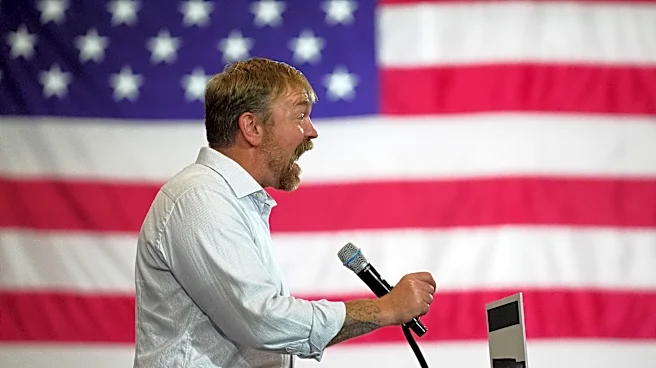
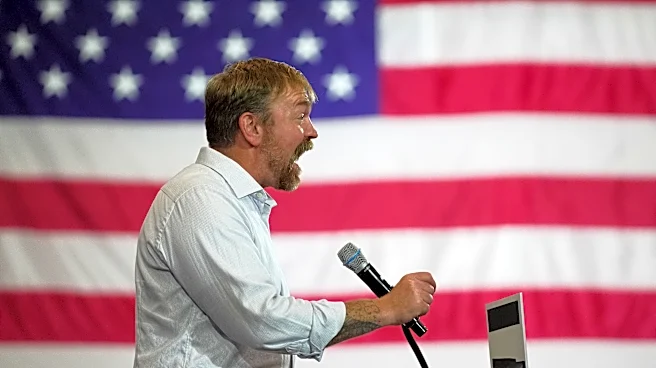
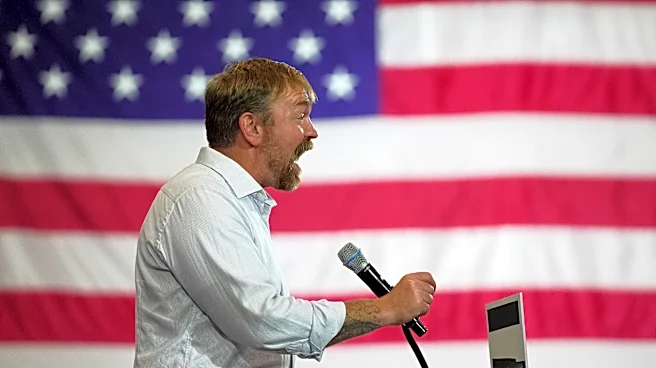
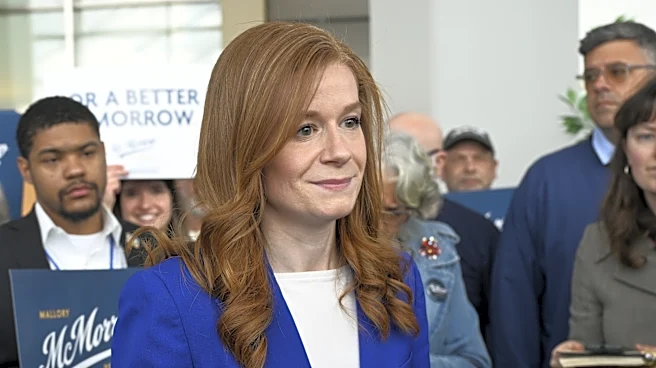
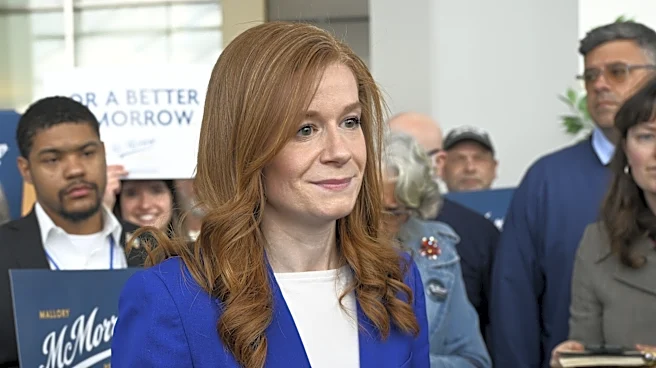
In Michigan, Democratic Senate candidates Rep. Haley Stevens and former health official Abdul El-Sayed are preparing for a televised debate, following the suspension of state Sen. Mallory McMorrow's campaign. McMorrow's exit has intensified the primary
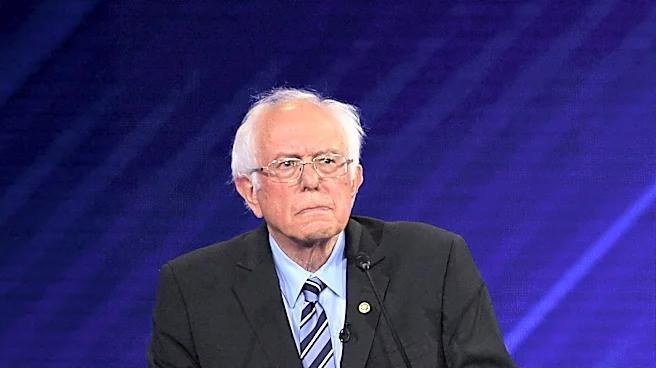
race, highlighting the ideological divide between Stevens, a moderate backed by Senate Minority Leader Chuck Schumer, and El-Sayed, a progressive supported by Sen. Bernie Sanders and Rep. Alexandria Ocasio-Cortez. The primary, scheduled for August 4, will determine who faces former GOP Rep. Mike Rogers in the general election. The seat, currently held by retiring Democratic Sen. Gary Peters, is crucial for Democrats aiming to regain Senate control. The candidates' differing views on Israel have been a focal point, with El-Sayed criticizing Stevens' support from the pro-Israel PAC AIPAC, suggesting it influences opposition to cutting U.S. funding for Israel.
Why It's Important?
This primary is pivotal for the Democratic Party's strategy to secure a Senate majority. With Sen. Gary Peters retiring, maintaining this seat is essential for Democrats, who need to flip four seats while defending others in competitive races. The ideological clash between Stevens and El-Sayed reflects broader national debates within the Democratic Party, particularly on foreign policy issues like U.S. support for Israel. The outcome could influence the party's direction and its ability to unify diverse factions. Additionally, the race's outcome may impact voter turnout and engagement in Michigan, a key battleground state.
What's Next?
Following the debate, both candidates will continue campaigning vigorously ahead of the August 4 primary. The winner will face Mike Rogers in the general election, a contest that could be closely watched given Michigan's political significance. The Democratic Party will likely focus on unifying its base post-primary to strengthen its chances in the general election. Observers will watch for shifts in campaign strategies, particularly regarding foreign policy stances and endorsements, which could sway undecided voters.