
What's Happening?
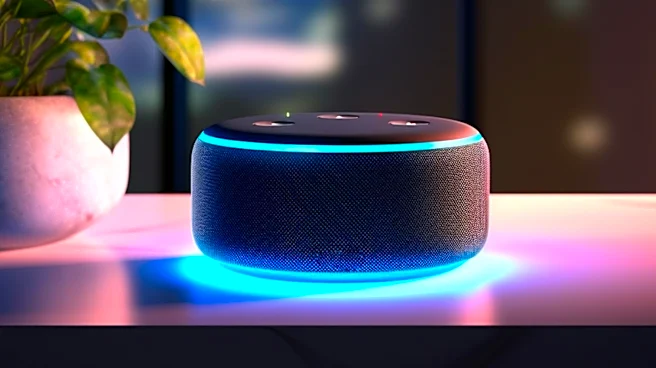
Amazon Echo devices exhibit varying levels of smart home hub integration. Specifically, the Echo Studio 2nd Gen is equipped with a built-in Zigbee, Matter, and Thread hub, allowing it to directly connect
and control a range of smart home devices. In contrast, the standard Echo Dot models do not include this integrated hub functionality. However, a future iteration, the Echo Dot Max, slated for release in 2025, is expected to incorporate a Zigbee chip. Users can determine if their specific Echo device has a built-in hub by checking its model and generation details on Amazon's product pages or within their order history, and then cross-referencing this information with Amazon's official Zigbee support documentation.
Why It's Important?
The differing smart home hub capabilities across Amazon Echo devices have significant implications for consumers and the broader smart home ecosystem. Devices with integrated hubs, like the Echo Studio 2nd Gen, simplify smart home setups by reducing the need for separate bridges or hubs for compatible devices. This enhances user convenience and potentially lowers the barrier to entry for smart home adoption. For the smart home industry, the inclusion of standards like Zigbee, Matter, and Thread in certain Echo models signifies a move towards greater interoperability and a more unified smart home experience. This could accelerate the adoption of smart home technology by making it more accessible and less complex for the average user, while also influencing manufacturers to align with these integrated standards.
What's Next?
As Amazon continues to integrate smart home hubs into more of its Echo devices, such as the upcoming Echo Dot Max with its Zigbee chip, consumers can anticipate a more streamlined and interconnected smart home experience. This trend suggests that future Echo devices may increasingly serve as central control points for a wider array of smart home gadgets, potentially reducing reliance on third-party hubs. Device manufacturers will likely continue to adapt their products to be compatible with these integrated Echo hubs, further solidifying Amazon's role in the smart home market. Users looking to expand their smart home systems should monitor future Echo releases and Amazon's support pages for updates on hub compatibility and new features.
Beyond the Headlines
The strategic integration of smart home hubs into Amazon Echo devices reflects a broader industry push towards creating more cohesive and user-friendly smart home environments. By supporting multiple protocols like Zigbee, Matter, and Thread, Amazon is not only enhancing the functionality of its own devices but also contributing to the standardization of smart home technology. This move could foster greater competition and innovation among smart home device manufacturers, as they strive to offer products that seamlessly integrate with popular platforms. Ultimately, this trend could lead to a more accessible and intuitive smart home experience for consumers, potentially transforming how people interact with their living spaces and manage their daily routines through voice commands and automated systems.