






What's Happening?
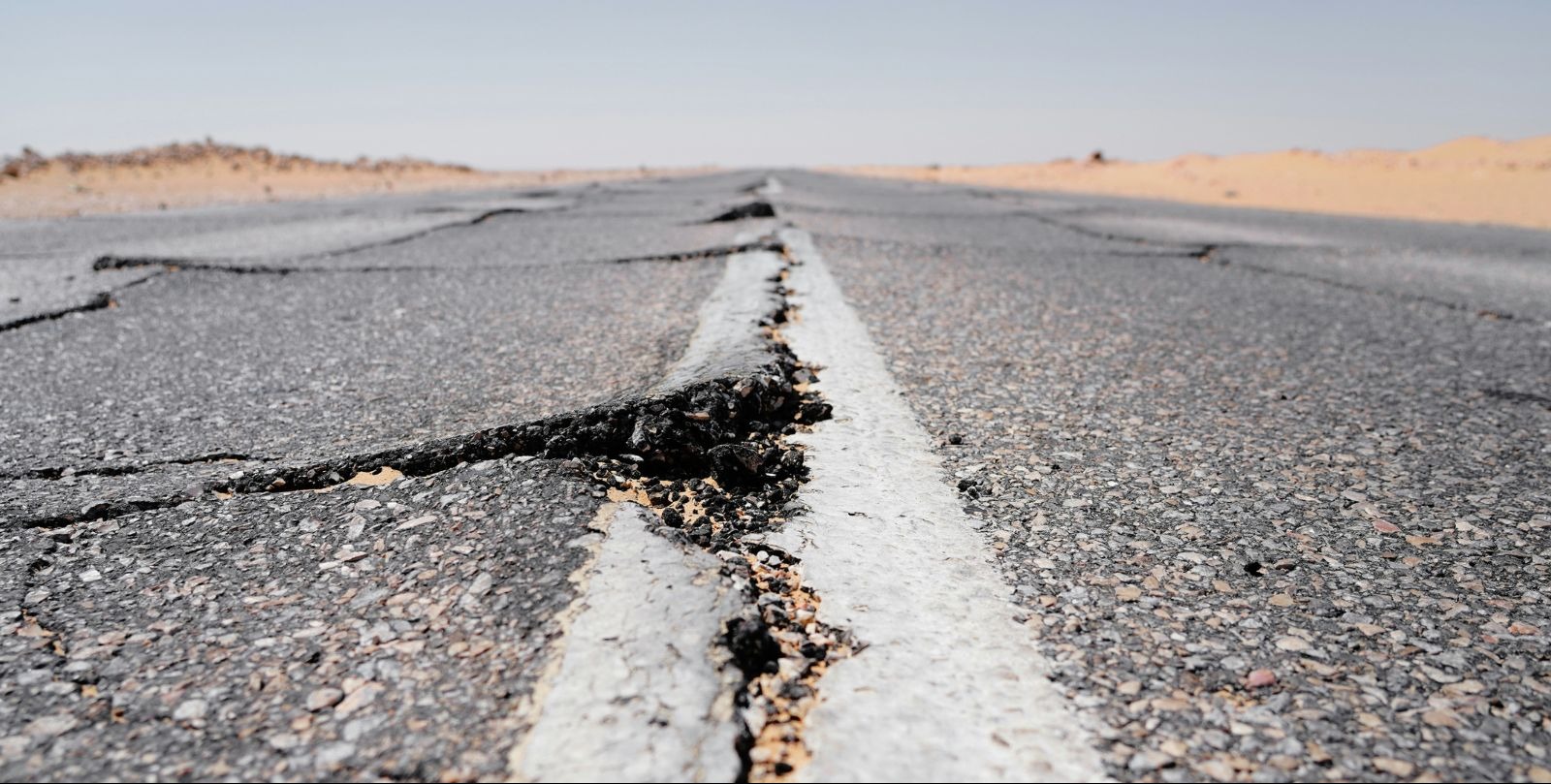
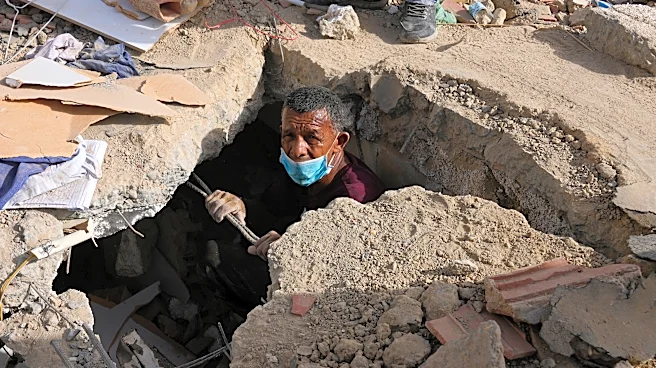
Following a recent earthquake in Colombia, the government led by President Abelardo de la Espriella has drawn criticism for its handling of international humanitarian aid. Mexican President Claudia Sheinbaum disclosed that an elite search and rescue team
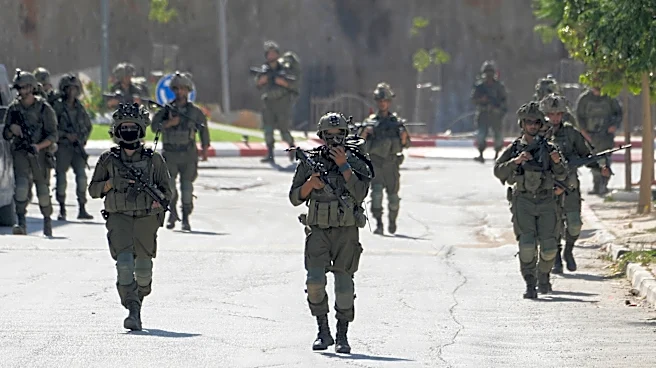
from Mexico was refused entry into Colombia. This rejection stands in contrast to the acceptance of rescue teams from the United States, Ecuador, El Salvador, and Israel. The Colombian government stated that only missions complying with international protocols were permitted, but critics suggest that aid was selectively accepted based on political alignment, favoring right-wing allies. This incident occurs as President de la Espriella's administration has actively strengthened ties with Israel, including recognizing Israeli sovereignty over the Golan Heights and revoking decrees that had banned the export of Colombian coal to Israel. Prime Minister Benjamin Netanyahu of Israel has also ordered a formal humanitarian mission to Colombia at de la Espriella's request, further highlighting the diplomatic context surrounding the aid efforts.
Why It's Important?
The politicization of humanitarian aid during a natural disaster carries significant implications for international relations and the principles of disaster response. By rejecting an experienced Mexican search and rescue team while accepting assistance from specific allies, the Colombian government risks undermining the universal humanitarian imperative to save lives regardless of political considerations. This approach could strain diplomatic relations between Colombia and Mexico, potentially impacting future regional cooperation. Furthermore, it highlights a broader trend of 'disaster diplomacy,' where humanitarian crises are leveraged to advance geopolitical agendas and improve diplomatic standing. The selective acceptance of aid raises questions about the effectiveness of the overall recovery effort, as turning away competent teams could lead to unnecessary loss of life and prolong the suffering of affected populations. This situation also reinforces Colombia's alignment with certain political blocs, influencing its standing and relationships on the international stage.
What's Next?
The Colombian government is likely to face continued scrutiny and potential diplomatic fallout from Mexico and other international bodies regarding its aid decisions. Mexico may issue a formal response or re-evaluate its diplomatic posture towards Colombia. Domestically, President de la Espriella's administration could encounter increased criticism from opposition parties and civil society groups for prioritizing political alliances over immediate humanitarian needs. The effectiveness of the ongoing recovery efforts will remain a critical point of observation, particularly if the absence of experienced teams like Mexico's leads to slower or less efficient rescue operations. This event may also set a precedent for how future humanitarian crises are managed in the region, potentially encouraging other nations to consider political factors when offering or accepting aid. The strengthened ties between Colombia and Israel, facilitated by this 'disaster diplomacy,' are expected to continue developing.
Beyond the Headlines
This incident delves into the complex ethical dimensions of national sovereignty versus humanitarian imperative during a crisis. While a nation has the right to control its borders, the rejection of aid that could save lives raises profound moral questions about a government's responsibility to its citizens and the global community. The concept of 'disaster diplomacy' reveals how humanitarian assistance, ostensibly neutral, can be weaponized or leveraged for political gain, potentially eroding trust in international aid mechanisms. This development could contribute to a long-term shift in how countries perceive and engage with international disaster relief, possibly leading to more conditional or politically motivated aid offerings. Ultimately, the most significant impact will be felt by the earthquake-affected populations, whose access to timely and effective assistance may be compromised by political considerations, highlighting the human cost of such diplomatic maneuvers.