









What's Happening?
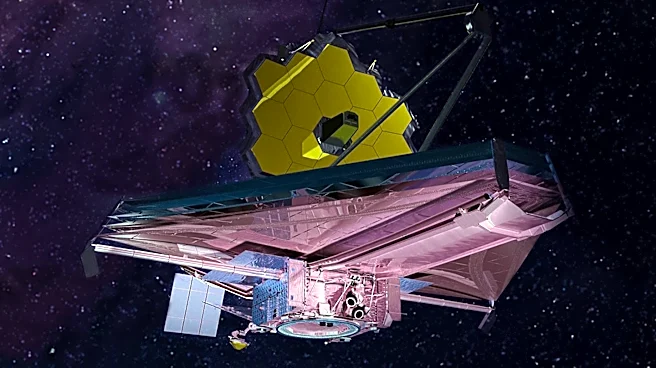
The Federal Communications Commission (FCC) has approved the launch of a sun-reflecting satellite by Reflect Orbital, a space technology company. The satellite, named Eärendil-1, is designed to reflect sunlight onto Earth, potentially illuminating areas
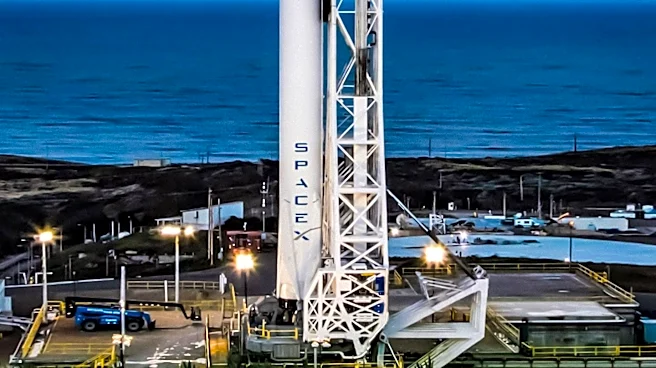
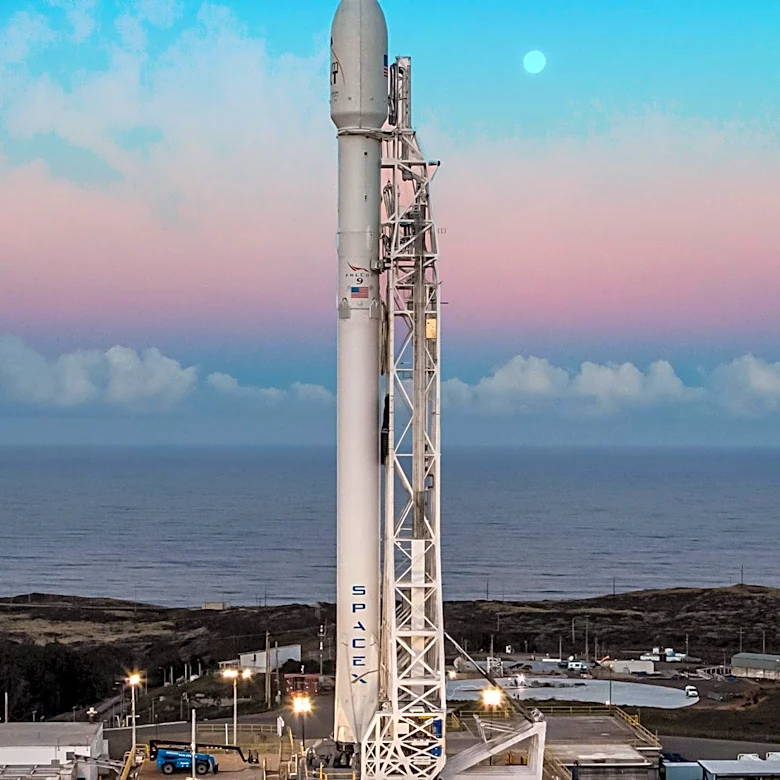
that are in darkness. The satellite, which weighs 142 kilograms, will be equipped with a large mirror and is set to launch on a SpaceX Falcon 9 later in 2026. Reflect Orbital aims to use this technology to power solar panels at night, addressing the issue of increased electricity demand at sunset. However, the approval has sparked significant concern among scientists and astronomers, who fear the satellite could contribute to light pollution and interfere with astronomical observations.
Why It's Important?
The approval of Eärendil-1 has significant implications for both energy and astronomy. On one hand, the satellite could provide a novel solution to the challenge of solar energy storage, potentially reducing reliance on fossil fuels and contributing to climate change mitigation. On the other hand, the introduction of artificial light at night could disrupt ecosystems and cultural practices that rely on natural darkness. Additionally, astronomers are concerned that the satellite's light could interfere with telescopic observations, hindering scientific research. The potential deployment of up to 50,000 such satellites could exacerbate these issues, leading to widespread light pollution and impacting global efforts to study the universe.
What's Next?
Reflect Orbital plans to launch the Eärendil-1 satellite as a test demonstration, with the possibility of deploying a larger constellation if successful. The company has expressed willingness to collaborate with scientists to mitigate potential negative impacts. However, the scientific community remains skeptical, emphasizing the need for a regulatory framework to govern space-based energy and lighting services. The outcome of this test could influence future regulatory decisions and the development of similar technologies. Stakeholders, including environmental groups and the astronomical community, are likely to continue advocating for measures to protect natural darkness and ensure responsible use of space technology.