





What's Happening?
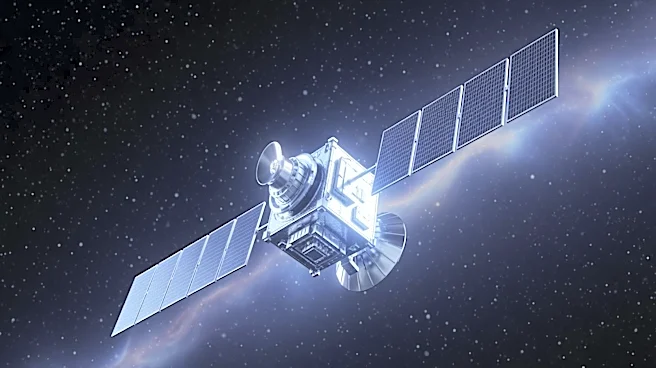
The U.S. Space Force has announced the cancellation of the Global Positioning System Next Generation Operational Control System (OCX), a program initially developed by Raytheon. The decision comes after extensive testing revealed significant system issues
and cost overruns, with the program's cost estimated at $6.27 billion as of January 2026. The OCX was intended to replace the existing Architecture Evolution Plan (AEP) and enhance GPS capabilities, including the introduction of a jam-resistant military signal. However, the program faced insurmountable challenges in delivering capabilities within an operationally relevant timeline. As a result, the Space Force will continue to enhance the current GPS control system to manage the satellite constellation effectively.
Why It's Important?
The cancellation of the OCX program underscores the challenges faced by the U.S. military in modernizing its technological infrastructure. The decision highlights the need for more agile and incremental approaches to defense acquisitions, as emphasized by Tom Ainsworth, acting service acquisition executive. The failure of the OCX program could impact both military and civilian GPS users, as the anticipated improvements in navigation and timing capabilities will be delayed. This move also reflects broader concerns about cost management and risk mitigation in defense projects, which are critical for maintaining U.S. space superiority and meeting the needs of warfighters.
What's Next?
Following the cancellation, the Space Force will focus on enhancing the existing GPS control system to ensure continued operation of the satellite constellation. This approach aims to protect current GPS capabilities while avoiding the risks associated with the OCX program. The Space Force's decision may prompt further evaluations of other defense acquisition programs to ensure they align with strategic priorities and deliver capabilities efficiently. Stakeholders, including defense contractors and military personnel, will likely monitor the situation closely to assess the impact on future projects and technological advancements.