







What's Happening?
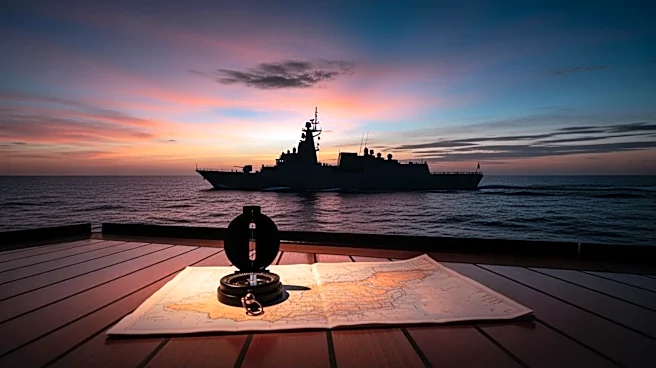
As the U.S. re-arms during a ceasefire with Iran, concerns have emerged about the long-term availability of advanced munitions. Defense officials have warned that stockpiles of key munitions are under strain due to overlapping military operations in the Middle
East, Europe, and the Indo-Pacific. The Center for Strategic and International Studies reports that the U.S. may have used more than half of its pre-war inventory of critical munitions, including Tomahawk missiles. Scaling up production of these high-end systems could take years, posing a risk for future conflicts. The Pentagon has requested over $70 billion to procure missiles and related equipment, a significant increase from previous years.
Why It's Important?
The strain on U.S. munitions stockpiles highlights vulnerabilities in the nation's defense capabilities. With multiple global commitments, the U.S. must balance its resources to maintain readiness across different theaters. The reliance on complex supply chains and specialized components for advanced munitions further complicates production efforts. This situation underscores the need for strategic planning and investment in the defense industrial base to ensure the U.S. can meet future military demands. The potential delay in replenishing stockpiles could impact the U.S.'s ability to respond to emerging threats, particularly in regions like the Indo-Pacific where tensions with China are rising.
What's Next?
The U.S. government and defense contractors will need to collaborate closely to increase production of advanced munitions. This may involve expanding manufacturing capabilities and investing in new technologies to streamline production processes. The Pentagon's budget request indicates a commitment to addressing these challenges, but actual timelines for replenishing stockpiles remain uncertain. Ongoing discussions with defense companies and policymakers will be crucial in ensuring the U.S. maintains its military edge. Additionally, the situation may prompt a reevaluation of military strategies and resource allocations to prioritize critical areas.