




What's Happening?
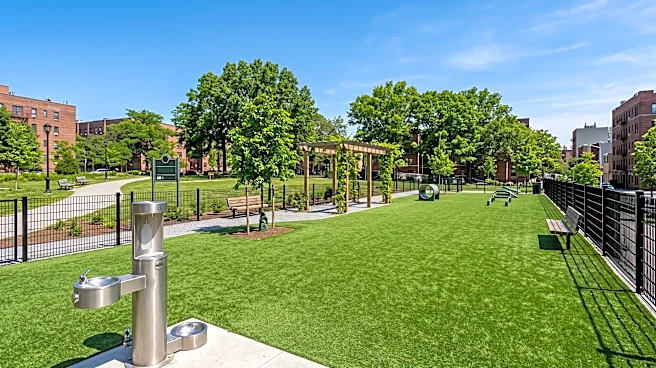
The dog run at Maria Hernandez Park in Brooklyn, a significant community space in the Bushwick neighborhood, has completed a substantial $6.78 million renovation. The project addressed long-standing issues such as deteriorating gravel and dirt surfaces,
poor drainage leading to flooding, and inadequate facilities. The revamped space now features dog-friendly turf, improved drainage systems, and expanded areas catering to both large and small dogs. Additionally, new amenities include drinking fountains with dog bowls, enhanced lighting and fencing, and dedicated doggy waste stations. The renovation also incorporated additional seating, shade trees, and pergolas for pet parents. This transformation was largely driven by community efforts, particularly from local dog owner Amy Willard, who initiated cleanup days and later founded Maria Hernandez Dog Run P.A.C.K. (Pet Owners Alliance for Community K-9s) in 2018 to advocate for and fund improvements. Their persistent efforts led to securing significant public funds, including $300,000 in 2022, which eventually expanded into the multi-million dollar project.
Why It's Important?
This renovation highlights the critical role of community engagement and advocacy in improving public spaces, particularly in urban environments. The success of the Maria Hernandez Park dog run project demonstrates how organized citizen action can lead to substantial public investment and tangible improvements that benefit local residents and their pets. The initiative by Amy Willard and P.A.C.K. serves as a model for other communities facing similar challenges with neglected public amenities. It underscores the importance of identifying specific problems, mobilizing local support, and engaging with city government through participatory budgeting and community board meetings. The enhanced dog run not only provides a safer and more enjoyable environment for dogs and their owners but also fosters a stronger sense of community ownership and responsibility for shared public resources. This project illustrates how local initiatives can bridge gaps in municipal funding and maintenance, ultimately leading to a higher quality of life for urban dwellers and their companion animals.
What's Next?
Despite the significant renovation, the ongoing maintenance and upkeep of the Maria Hernandez Park dog run will continue to rely on community involvement. P.A.C.K. will likely remain active in organizing volunteer efforts and fundraising to ensure the longevity and cleanliness of the new facilities. The success of this project may also inspire other neighborhoods in Brooklyn and across the U.S. to adopt similar community-led approaches for improving their local parks and public spaces. City officials might look to this model as an effective way to partner with residents on urban development and maintenance projects. Furthermore, the focus of P.A.C.K. extends beyond the dog park itself, with plans to continue sponsoring pet health fairs, promoting responsible pet ownership, and distributing pet supplies, indicating a broader commitment to animal welfare in the community. The sustained engagement of volunteers will be crucial for the continued success and impact of these initiatives.
Beyond the Headlines
The transformation of Maria Hernandez Park's dog run reflects a broader societal trend towards recognizing the importance of pet-friendly urban infrastructure and the power of grassroots activism. This project is not merely about a dog park; it symbolizes how dedicated community members can overcome bureaucratic hurdles and funding limitations to create meaningful change. The story of Maria Hernandez Park itself, named after an activist who fought against drug-related issues, adds a layer of historical significance, emphasizing the park's role as a community hub and a testament to collective action. The shift from individual complaints to organized political action, culminating in a multi-million dollar investment, highlights a growing understanding among citizens that they can directly influence public spending and policy. This initiative also subtly promotes responsible pet ownership by providing well-maintained facilities, which can lead to better animal health and reduced stray populations, contributing to overall urban well-being.